Top 20 Animals That Hibernate (With Pictures)
Discover the top 20 animals remarkable animals that hibernate during winter. find out how they survive for months without food and adapt to freezing temperature. This often behavior, allows various species to survive harsh winters when food is scarce, known as hibernation.
List of Animals That Hibernate in Winter
Below is the list of animals that hibernate:
- Hedgehogs
- Brown Bear
- Bats
- Snakes
- Box Turtles
- Skunks
- Prairie Dogs
- Groundhogs
- American Bullfrog
- Fat-Tailed Dwarf Lemur
- Snails
- Yellow-Bellied Marmot
- American Black Bears
- Hamster
- Hazel Dormouse
- Bumblebees
- Eastern Chipmunks
- Ladybug
- Wood Frogs
- Common Poorwill
1- Hedgehogs: Animals That Hibernate
Scientific Name: Erinaceus europaeus
Class: Mammalia
Diet: Omnivore
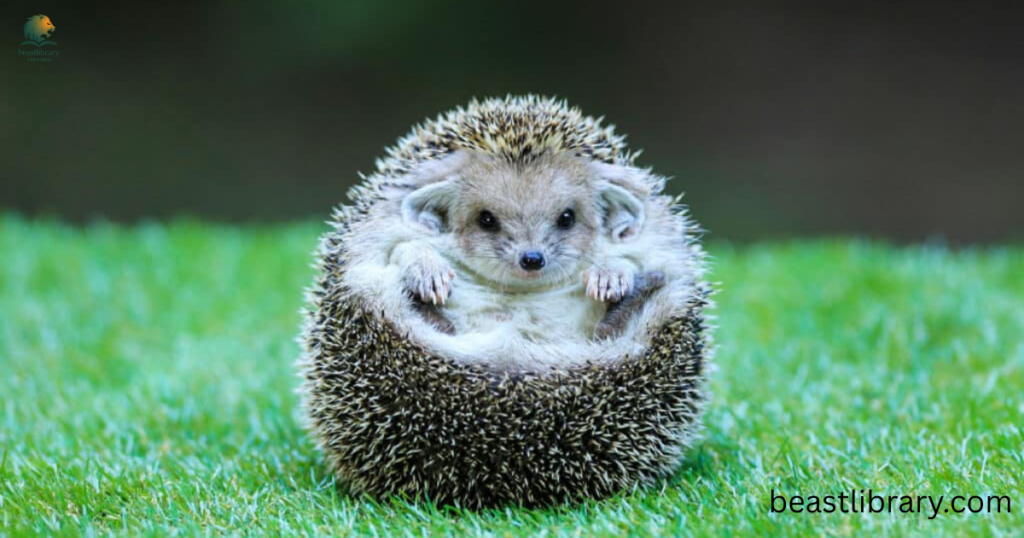
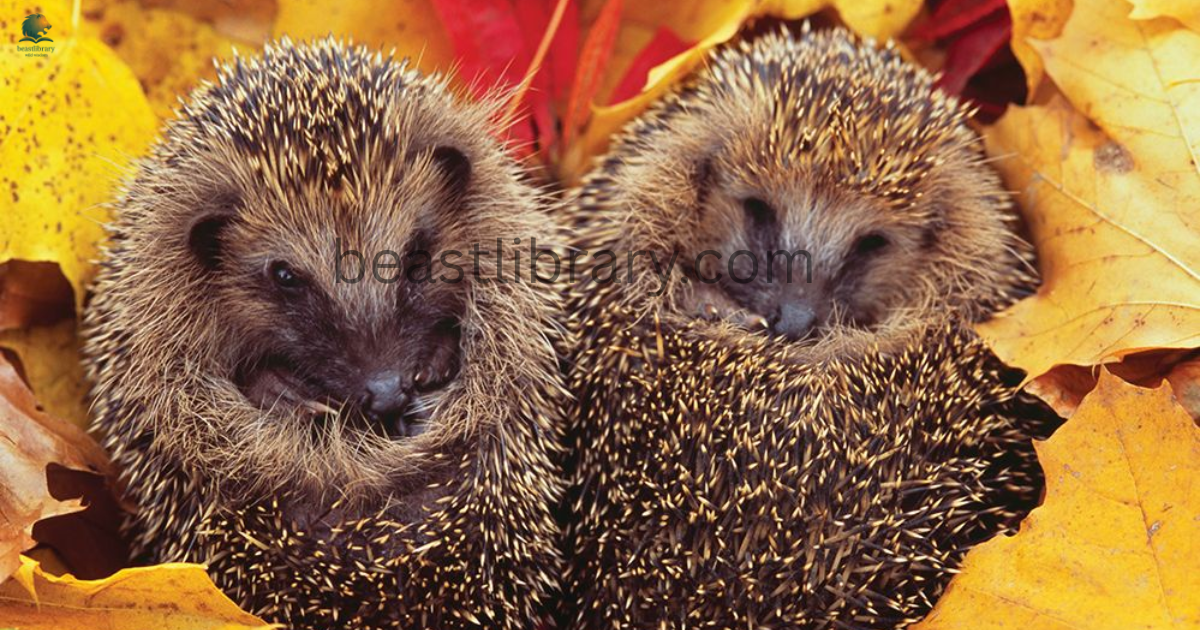
Hedgehogs are animals that are quiet and shy. Often perceived as solitary beings, they thrive in a world where camouflage and retreat are their go-to strategies. When faced with potential threats, rather than fight or flee, hedgehogs curl into a prickly ball.
Showing an instinctive response that’s as much about survival as it is about character. like many other small animals and predators in the wild, people often wonder what eat rabbits or hedgehogs.
This chubby animal shy disposition makes them elusive creatures, often spotted only at dusk when they venture out to forage for insects and worms.
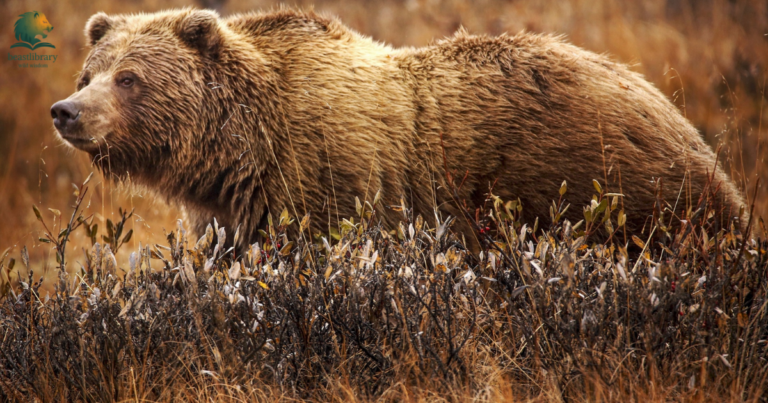
2- Brown Bear
Scientific Name: Ursus arctos
Class: Mammalia
Diet: Omnivore
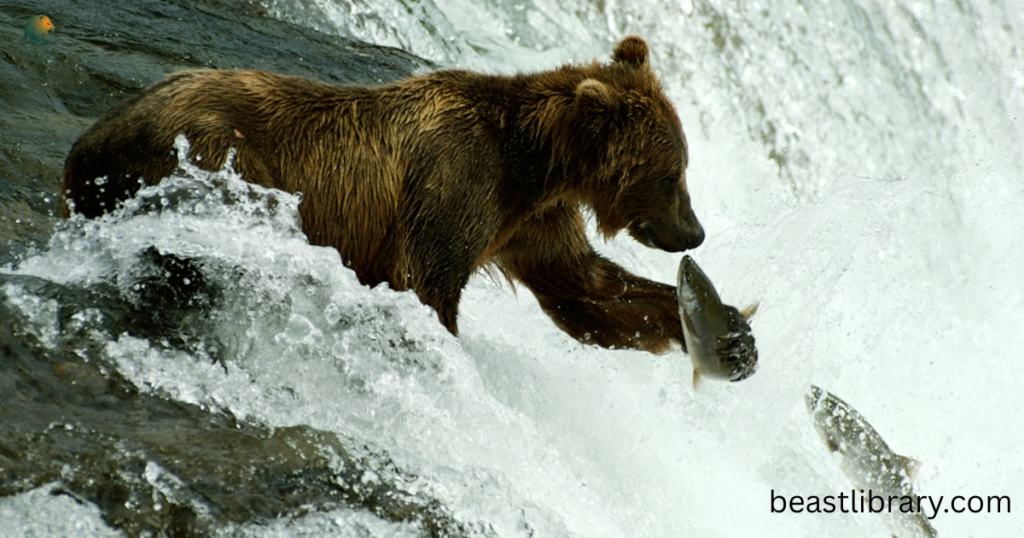
Bears growl not only to assert dominance but also to communicate a range of emotions, from discomfort to aggression. This vocalization often surprises those who imagine these majestic creatures as simply lumbering in silence.
The low, powerful rumble emanating from a bear can be an effective deterrent its deep resonance signals strength and confidence, sending a clear message to potential rivals or threats. Bear growls can vary in pitch and intensity, revealing nuances in their mood and intentions.
Young bears often mimic their mother’s low growls during games, honing their communication skills and establishing social bonds. This rich vocal repertoire illustrates the complexities of bear behavior, showcasing the intricate social dynamics at play within their family units.
3- Bats
Scientific Name: Chiroptera
Class: Mammalia
Diet: Mostly insectivore
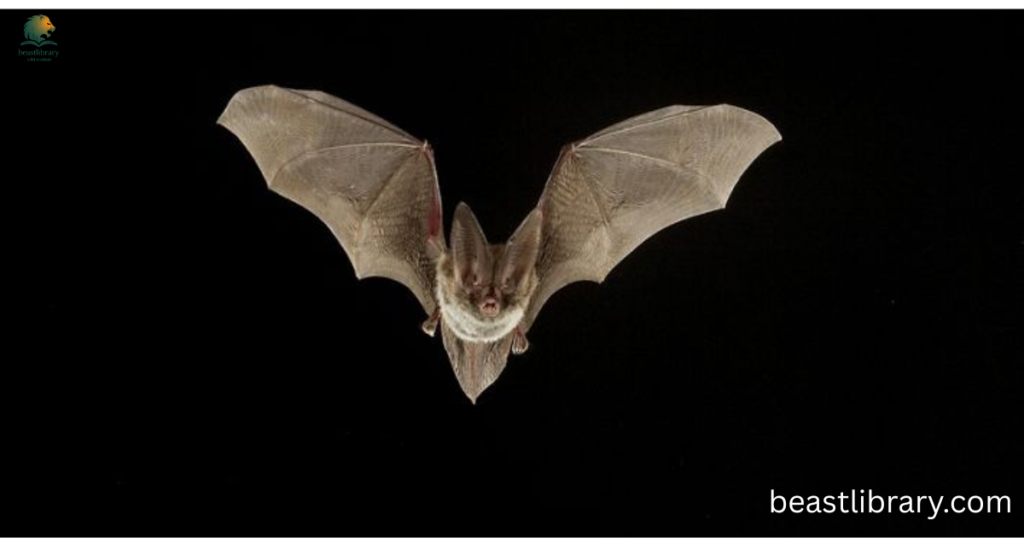
Bats are the quintessential nighttime navigators, relying on a sophisticated echolocation system to traverse the dark skies.
While many creatures struggle to find their way in low light, bats emit high-frequency sound waves that bounce off objects, allowing them to “see” their surroundings through auditory feedback.
This remarkable ability is not just a survival tool; it showcases nature’s ingenuity in adaptation. just as wildlife enthusiasts often research what animals eat rabbits to understand predator dynamics, studying bats reveals how nighttime predators thrive.
They can accurately detect the flutter of a moth’s wings, making them expert hunters in the silent night.
4- Snakes
Scientific Name: Serpentes
Class: Reptilia
Diet: Carnivore
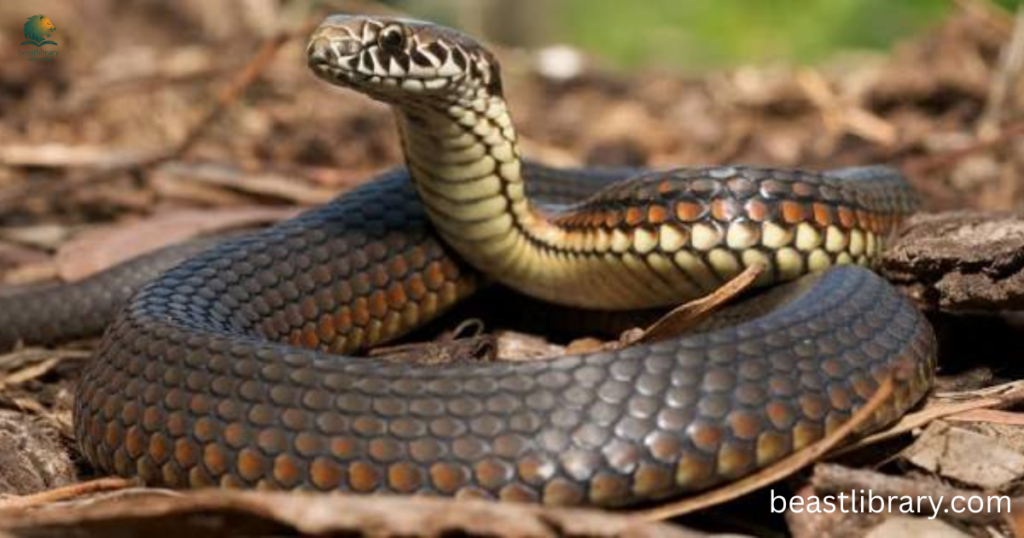
In the realm of quiet animals, snakes are remarkable because of their astonishing survival traits. Unlike many vocal creatures, crafting a silent dialogue that speaks volumes, snakes communicate through body language and pheromones.
Their ability to navigate the world without relying on sound reveals a unique evolutionary path, one that thrives in hush and shadow. For example, the captivating manner in which a snake dissolves effortlessly into its background, becoming one with the foliage or sand, is a testament to its mastery of camouflage.
These reptiles also possess a form of social intelligence often overlooked. Opposite to the common belief that they are always loners. Some snake species exhibit social behavior, forming communal dens or foraging in groups during certain seasons.
5- Box Turtles
Scientific Name: Terrapene carolina
Class: Reptilia
Diet: Omnivore
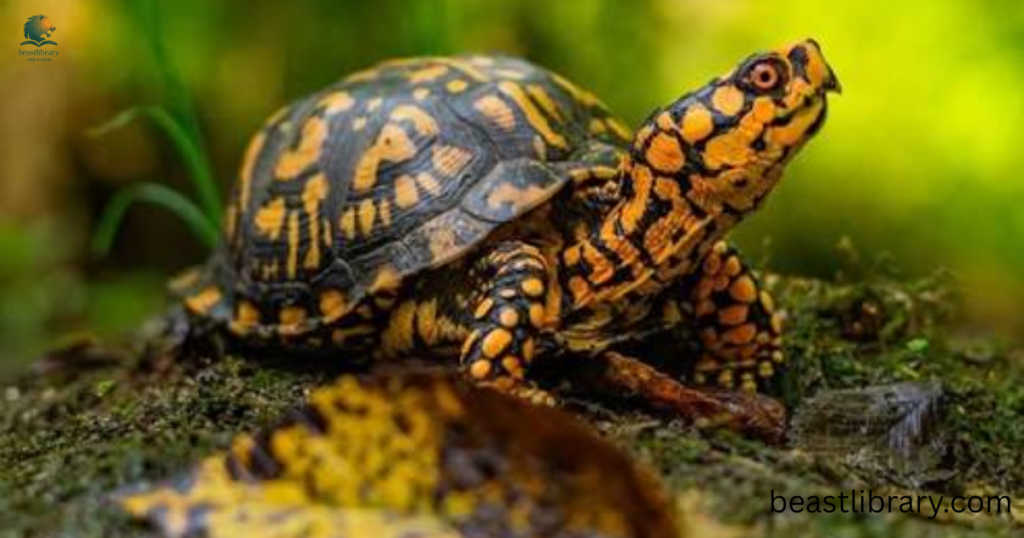
Turtles, often seen as the shy dwellers of both water and land realms, embody a unique blend of tranquility and resilience. Providing a sense of calm to their surroundings, Unlike many vibrant creatures of the wild, their quiet demeanor allows them to thrive in various ecosystems.
Because they move so unhurriedly, people watching them might easily misjudge how smart they actually are, or even wonder what animals has the lowest IQ when observing slow moving species. Turtles possess remarkable navigational skills, often traveling thousands of miles to return to their birthplaces.
6- Skunks
Scientific Name: Mephitis mephitis
Class: Mammalia
Diet: Omnivore
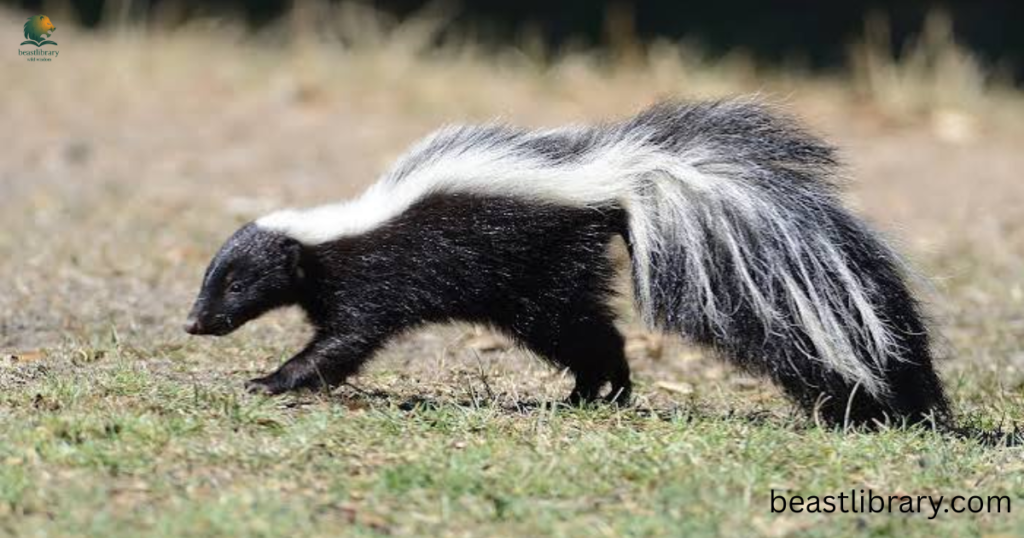
Skunks are one of the many honey eating animals that enjoy sweet foods from nature. Skunks feed on honey when they find beehives. They are good at finding beehives and often raid them for this sweet food. They are animals with stripes on earth.
These animals that eat honey search for food mostly at night and can break into hives to eat honey along with bee larvae. Their love for honey gives them a lot of energy, making them clever foragers in their search for food.
7- Prairie Dogs
Scientific Name: Cynomys ludovicianus
Class: Mammalia
Diet: Herbivore
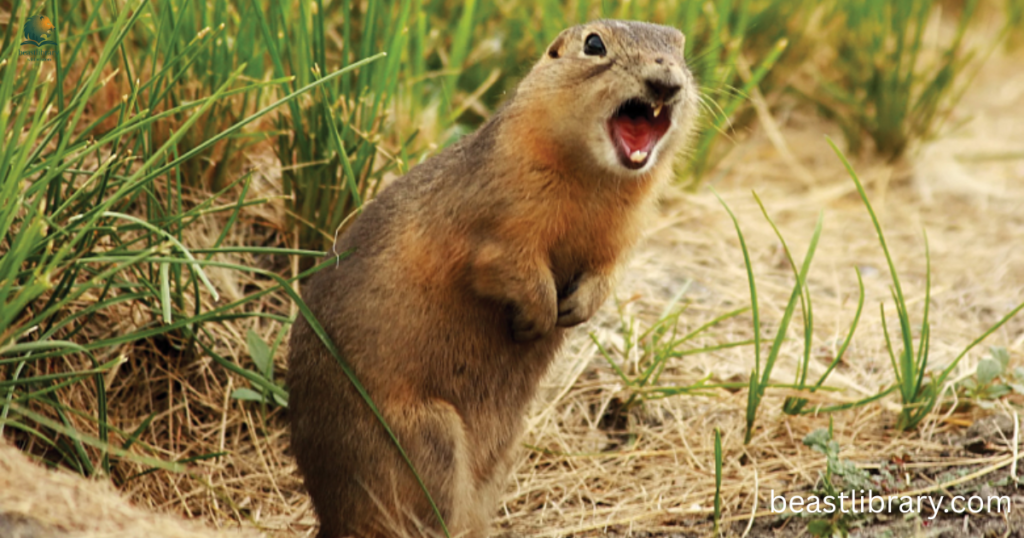
Prairie dogs are creatures that have adapted to their arid environments in remarkable ways, one of which includes their diet. These social animals, often seen in large colonies or “towns,” will munch on a variety of plant materials, but they have a particular fondness for cactus.
Prairie dogs are seen to emerge out of holes to survey the horizon and they have short legs that they use to dive fast into the earth. Birds of prey, coyotes and foxes are made harmless by their burrows.
Digging and social life are sustained by short legs. They are open plains adapted low to the ground, herbivores that are efficient.
8- Groundhogs
Scientific Name: Marmota monax
Class: Mammalia
Diet: Herbivore
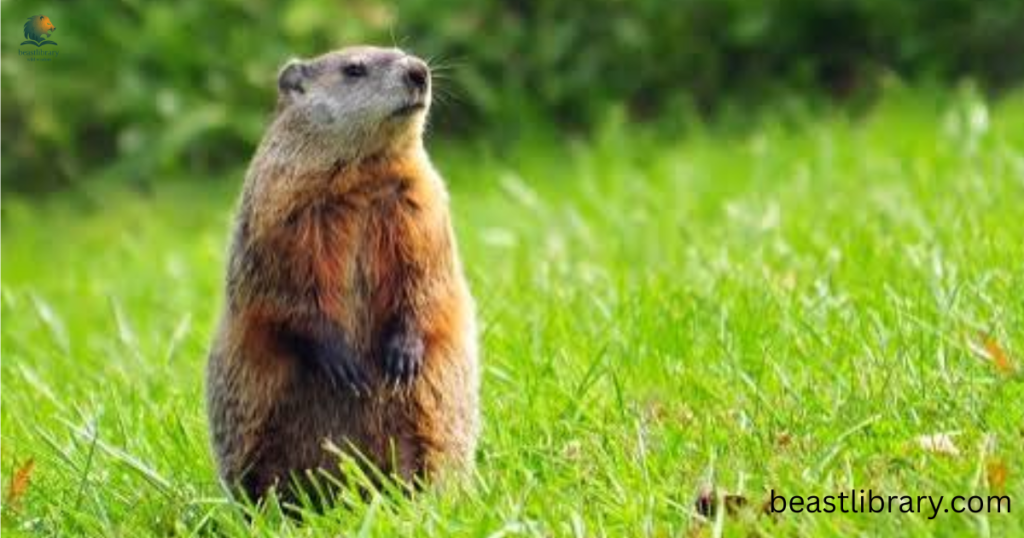
Groundhogs or woodchucks are squab rodents with stumpy legs. These are legs that assist them in making deep burrows. Groundhogs are found in North America. They consume grasses, garden vegetables, and berries.
Their holes have an entrance and sleeping chambers and food storing chambers and escape chambers. Short legs have low bodies on the ground which is advantageous in digging tunnels. Ground hogs are mostly lonesome.
During winter they go to sleep and feed on the fat they have stored. In the warm season they move about all day long. They have short legs that enable them to run into burrows fast in case danger is near.
Groundhogs can also swim well. They dig into the soil making the soil to be aerated benefiting the environment. They use whistles or chirps as a sign of danger. Groundhogs tend to be on their hind legs in order to keep an eye on the predators.
9- American Bullfrog
Scientific Name: Lithobates catesbeianus
Class: Amphibia
Diet: Carnivore
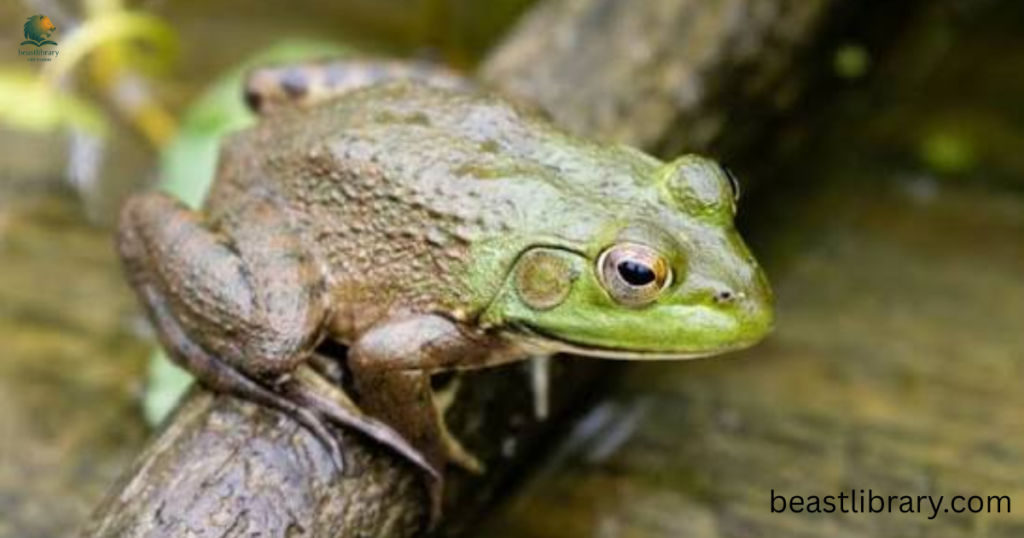
The American bullfrog, takes an unusual approach to hibernation, known for its distinctive call and robust size. these amphibians employ a more aquatic strategy, Unlike many creatures that seek the cozy cover of burrows.
As temperatures drop, where they enter a state of brumation a form of hibernation specific to cold-blooded animals, bullfrogs take refuge in the mud at the bottom of ponds and lakes. their metabolism slows significantly, allowing them to survive the harsh winter months with minimal energy expenditure.
Bullfrogs can tolerate a freeze thanks to a high concentration of glucose in their tissues, while most frogs succumb to ice crystals forming in their bodies, which acts as a natural antifreeze.
10- Fat-Tailed Dwarf Lemur
Scientific Name: Cheirogaleus medius
Class: Mammalia
Diet: Omnivore
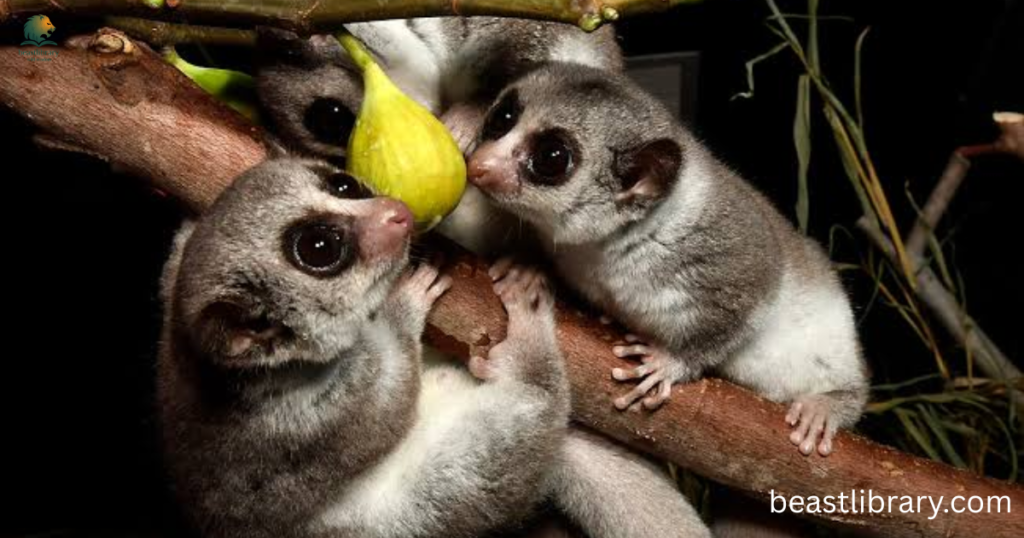
Found in Madagascar, this charming long tail creature boasts a particularly plump tail that serves a dual purpose: it acts as a fat storage reserve for leaner times and as a signaling device for communication.
Unlike other lemurs that might rely on vocal calls, the fat-tailed lemur uses its tail to express emotions and strengthen social bonds within its troop. This unique adaptation highlights the intricate relationships these animals maintain in their environments.
Fat-Tailed Lemur is stripped flat tail animal which help them to balance as they travel over the trees and the ground. They live along Madagascar forests and scrublands. The importance of their tails is due to their stability and communication. They consume fruit, leaves, flowers and insects.
11- Snails
Class: Gastropoda
Diet: Mostly herbivore
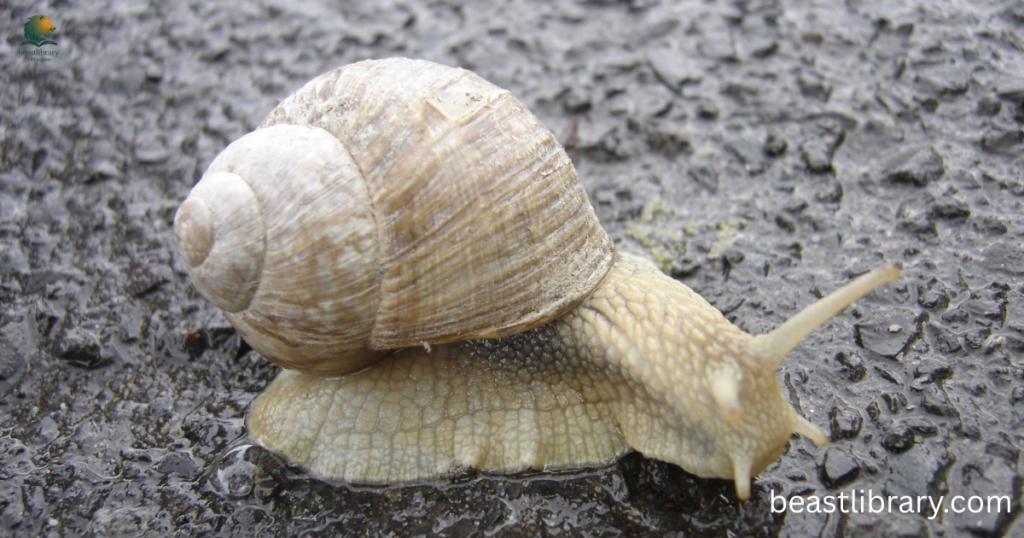
The garden snail plays a pivotal role in the ecosystem. With its slow, deliberate movement and soft body, it looks like a tiny chubby animal beneath its spiral shell. It contributes to soil health by feeding on decaying plant material and helping in nutrient cycling.
They are social and use chemical signals in their slime trails to connect with each other, especially for finding mates and navigating their environment.
While people often search about food chains and ask what eats a bunny or other small creatures, snails face their own unique predator in nature. These mucus trails also help reduce water loss, an important adaptation for survival in changing environmental conditions.
12- Yellow-Bellied Marmot
Scientific Name: Marmota flaviventris
Class: Mammalia
Diet: Herbivore
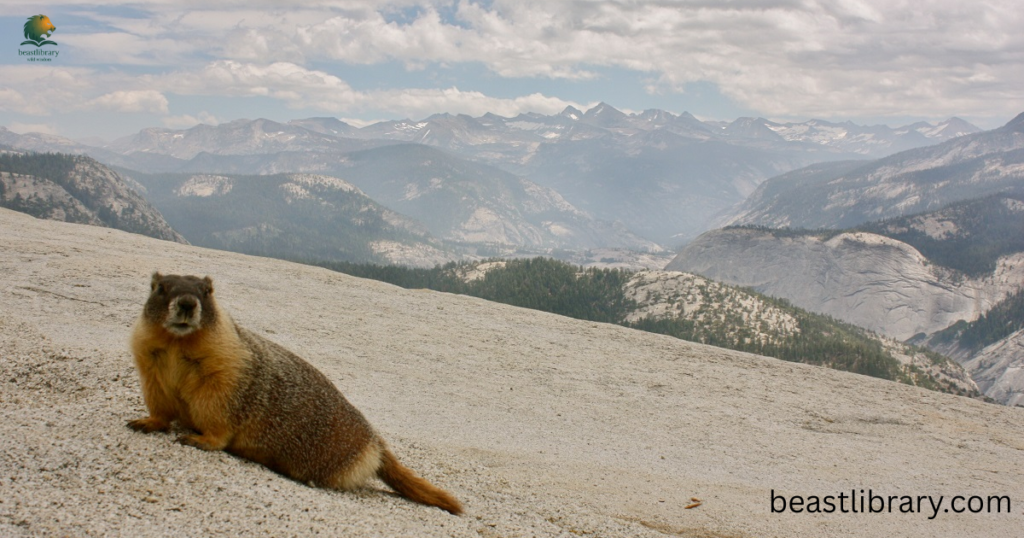
The yellow-bellied marmot, showcases remarkable adaptations for survival during harsh winters, a charismatic rodent found primarily in the Rocky Mountains.
These sociable creatures retreat into insulated burrows, entering a state of hibernation that can last for up to nine months, As the temperatures plummet and snow blankets their habitat.
Allowing them to conserve crucial energy reserves until spring arrives. this process isn’t merely a prolonged nap; it involves a significant drop in body temperature and metabolic rate.
These marmots often huddle together in their dens to share warmth and enhance survival chances, unlike many solitary hibernators.
Emerging from their underground refuges, reestablishing social bonds within their colonies through playful interactions and vocalizations, they display a fascinating burst of energy.
13- American Black Bears
Scientific Name: Ursus americanus
Class: Mammalia
Diet: Omnivore
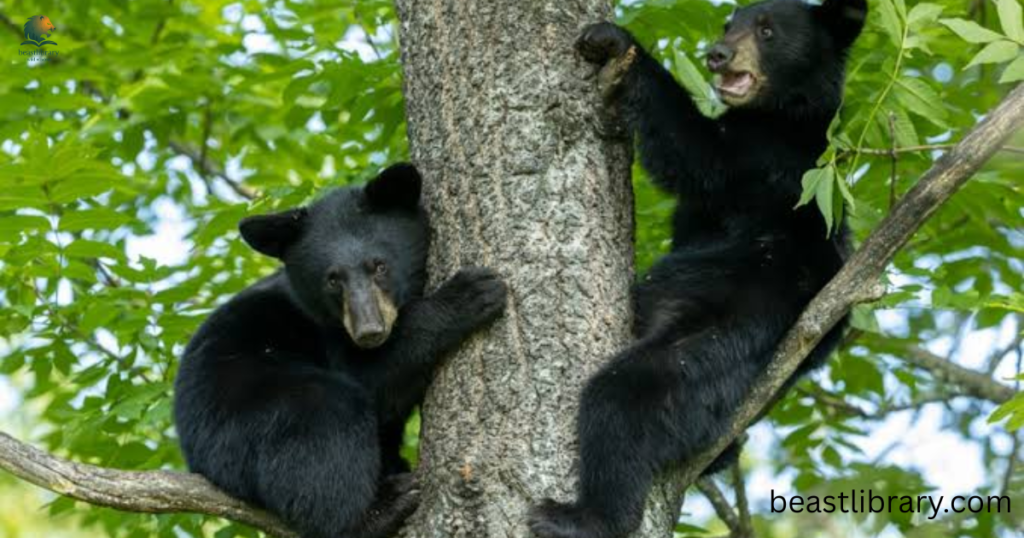
American black bears exhibit an extraordinary adaptation to the challenges of winter through their hibernation process. such as ground squirrels, unlike typical hibernators, where their body temperature decreases only slightly, black bears enter a state termed “walking hibernation,” allowing them to awaken more easily if disturbed.
During this time, their metabolism slows significantly, making them fascinating examples of nature’s efficiency and they rely on stored fat reserves
What’s particularly remarkable about these bears is their ability to give birth during hibernation. often referred to as sows, Female black bears, can deliver cubs while they remain in their dens, nurturing them with nutrient-rich milk even in the depths of winter.
Enhancing their survival chances when spring arrives, this unique reproductive strategy ensures that the young are born in a relatively safe environment.
14- Hamster
Scientific Name: Mesocricetus auratus
Class: Mammalia
Diet: Omnivore
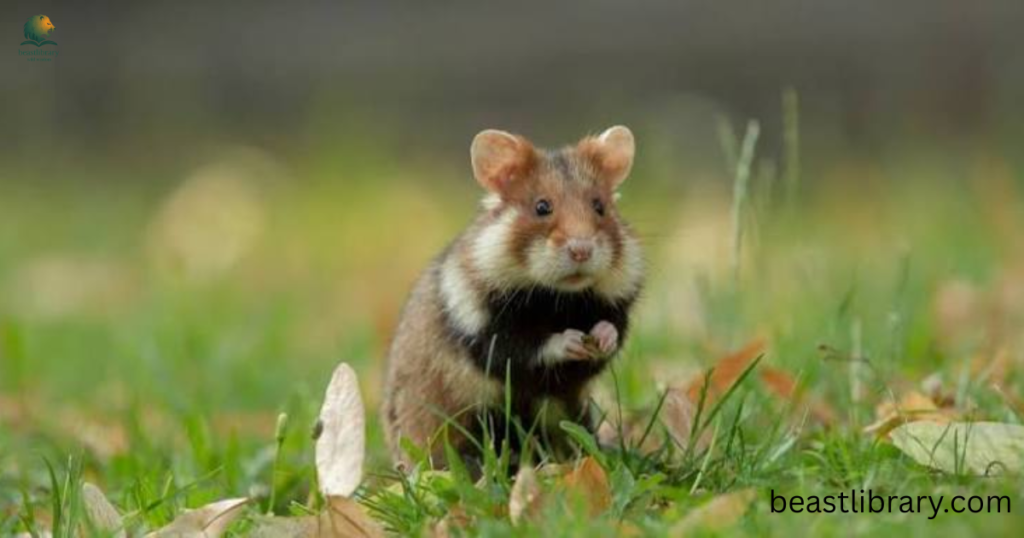
Hamsters are often seen as the quintessential pet, but their insatiable appetite reveals a fascinating side of their behavior. These tiny creatures have cheek pouches that can stretch astonishingly, allowing them to store food for later.
This clever adaptation serves a crucial purpose, enabling them to hoard seeds and grains to survive harsh seasons. It’s a captivating testament to their instinctual drive, showcasing not just a need for sustenance but an innate ability to strategize for the future.
Hamsters don’t just hoard food; they exhibit a unique social dynamic when it comes to sharing their bounty. In communal settings, you may notice a hierarchy where some individuals guard prime food sources, thus creating a subtle but often social tapestry.
15- Hazel Dormouse
Scientific Name: Muscardinus avellanarius
Class: Mammalia
Diet: Omnivore
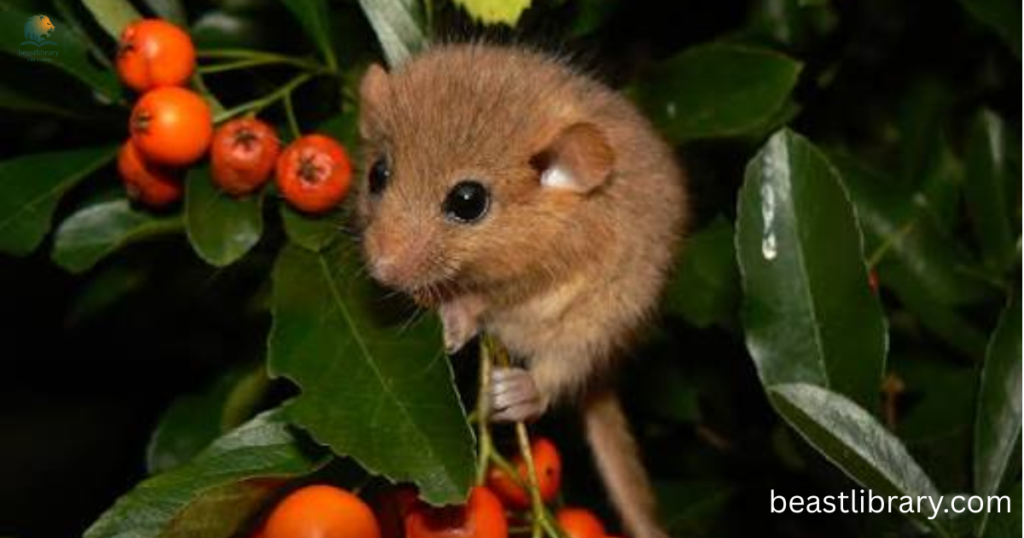
The hazel dormouse, a small, offers a fascinating glimpse into the world of mammalian adaptation, elusive creature often overshadowed by more familiar hibernators. expressive eyes, with its soft golden fur and large, this tiny rodent captures the imagination, but it’s its remarkable hibernation behavior that truly sets it apart.
As temperatures drop, the dormouse enters a deep sleep, allowing it to survive winter months on stored fat, radically slowing its metabolism and heart rate. This process is not merely a survival tactic; it represents an intricate biological ballet that scientists are still working to fully understand.
Where even small creatures play crucial roles, this behavior serves as a compelling reminder of the delicate balance in ecosystems. Furthermore, as climate change alters seasonal patterns, the future of the hazel dormouse and its hibernation habits remains uncertain.
16- Bumblebees
Scientific Name: Bombus
Class: Insecta
Diet: Herbivore
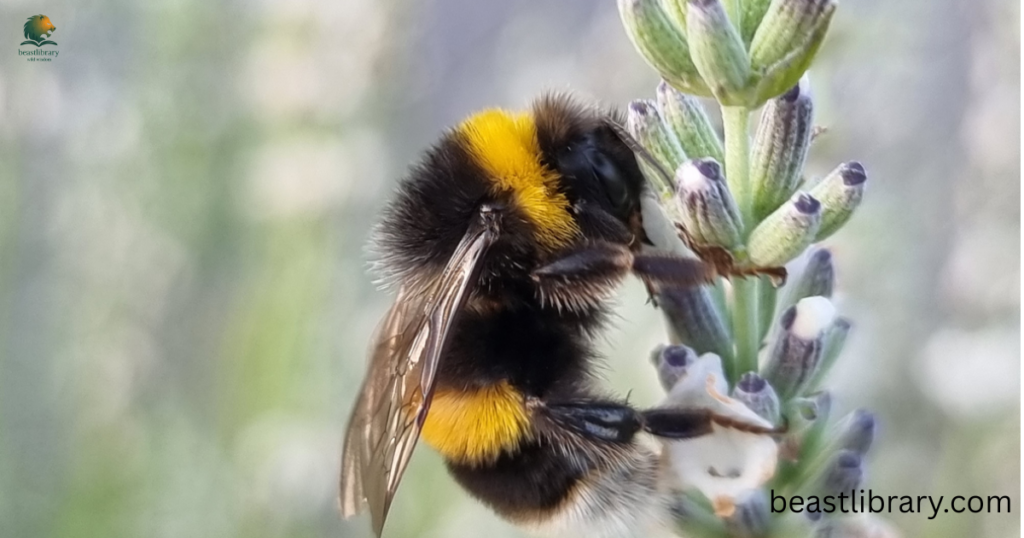
Bumblebees have black and yellow stripes that warn enemies of their sting. They feed on nectar and pollen, moving from flower to flower and helping pollination. Colonies nest in soil or old holes, workers care for young while the queen lays eggs.
Fun Fact: This lets them forage before most insects.
17- Eastern Chipmunks
Scientific Name: Tamias striatus
Class: Mammalia
Diet: Omnivore
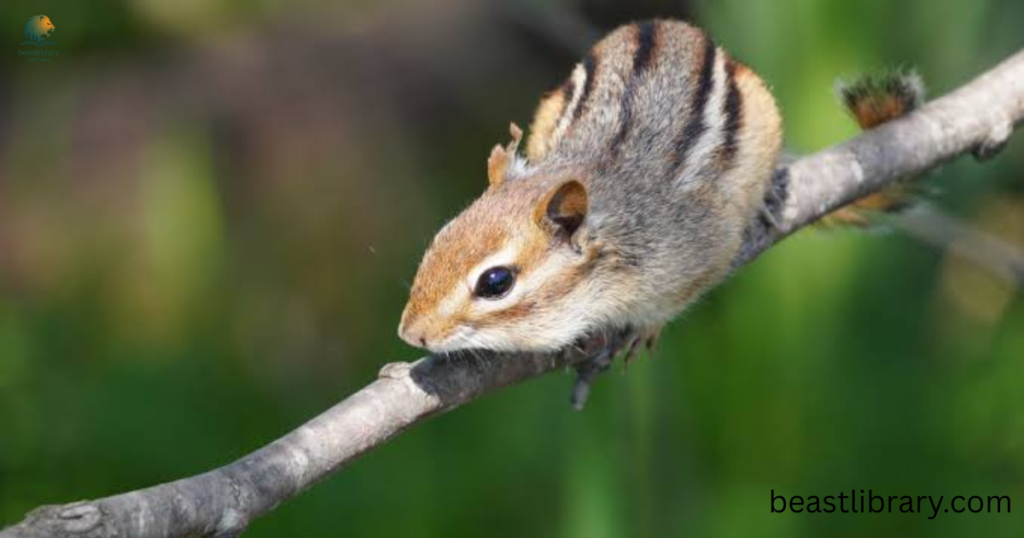
Eastern chipmunks are little rodents inhabiting forests, woodlands, gardens, and suburban locations of eastern North America. Their striped bushy tails bring balance in climbing, jumping and running and serve as a method of signal to tell about danger.
Chipmunks nest in burrows which are large and contain several rooms where the nest is placed, where food is stored and where the predator is kept away. They are active in the daytime and feed on nuts, seeds, fruits, fungi, and small insects.
Chipmunks bury large quantities of their food to be used during winter using their memory and scent to find their food. The interaction between the social beings is restricted, although the vocalizations and tail flicks present danger alerts to other chipmunks.
18- Ladybug
Scientific Name: Coccinellidae
Class: Insecta
Diet: Carnivore
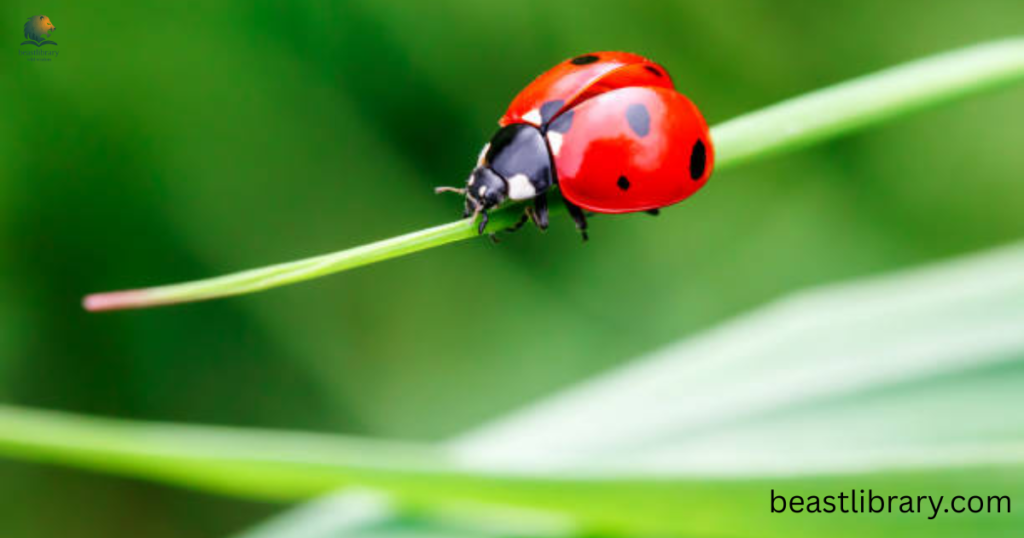
Ladybugs are minute beetles inhabited globally in various habitats like grasslands, forest, and gardens. Their bodies are red or orange and their bodies are dotted with black spots which act as a warning coloration to repel predators thus suggesting they could be venomous.
The ladybugs secrete tiny drops of toxic fluid on their legs in the event of threat which adds to their spotted warning. while they are active at night during the summer, they often aggregate in large clusters to hibernate throughout the winter.
19- Wood Frogs
Scientific Name: Lithobates sylvaticus
Class: Amphibia
Diet: Carnivore
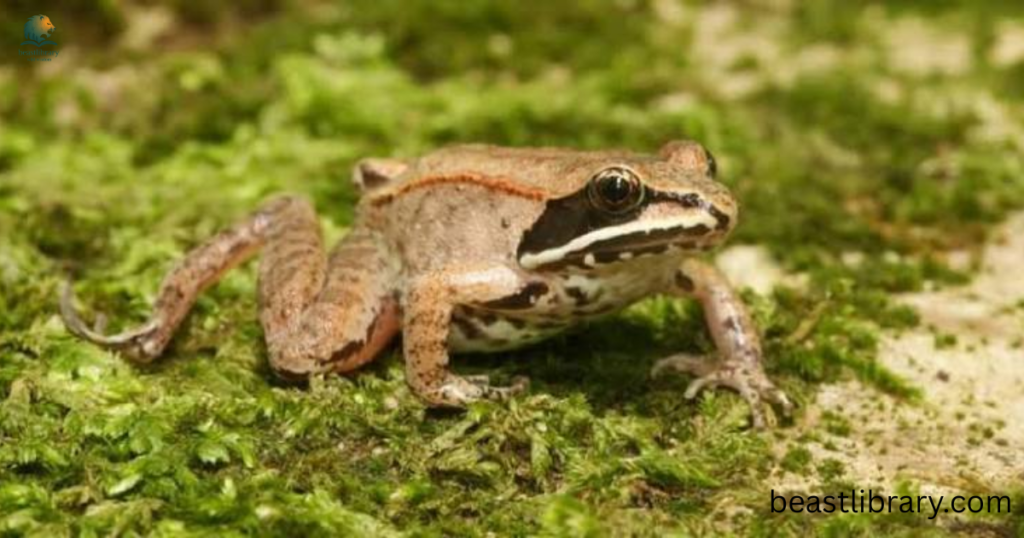
Showcasing an incredible adaptation to their frozen habitats, wood frogs are remarkable masters of survival, showcasing an incredible adaptation to their frozen habitats. a strategy that defies common perceptions of life and death in the animal kingdom, these amphibians possess a unique ability to survive being completely frozen for weeks.
Their bodies can endure temperatures as low as -6°C (21°F), with ice crystals forming in their tissues but leaving their vital organs unharmed. ready to take advantage of the fleeting spring months, This incredible resilience allows wood frogs to emerge from hibernation as temperatures rise.
The plight of wood frogs reveals deeper ecological narratives, In the face of global climate change. highlighting the intricate connections between temperature fluctuations and amphibian biology, their hibernation behaviors serve as vital indicators of shifting seasonal patterns.
20- Common Poorwill
Scientific Name: Phalaenoptilus nuttallii
Class: Aves
Diet: Insectivore
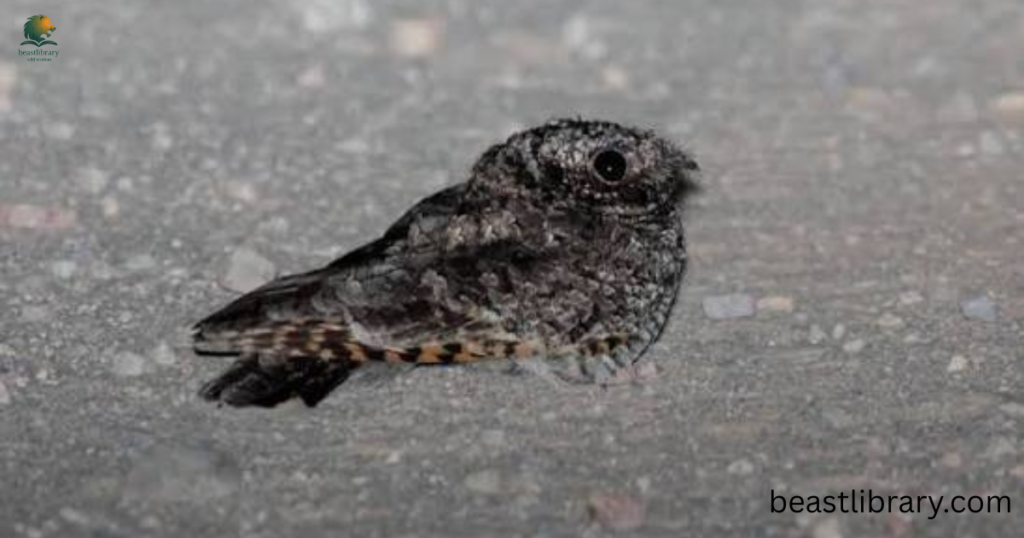
The Common Poorwill, offers a fascinating glimpse into the world of hibernation, a small nocturnal bird found in the western United States. Unlike most birds, prolonged sleep that resembles hibernation when temperatures drop and food becomes scarce, the Poorwill can enter a state of torpor a deep.
Essentially shutting down its metabolism for weeks at a time, this remarkable adaptation allows the Poorwill to survive harsh winter conditions. During this period, its heart rate slows dramatically, relying on stored fat reserves, and it can go without food,
Prompting it to hibernate only when absolutely necessary, what sets the Common Poorwill apart is its ability to sense environmental cues. while many naturalists study larger ecological pattern such as understanding what eats rabbit populations, the poorwill shows a different side of survival.
Final Thoughts
Many animals that hibernate, such as bears, bats and ground squirrels, rely on this survival strategy to endure harsh winter when food is scare. Let’s commit to raising awareness about the challenges faced by hibernating animals and support initiatives that promote their survival.
FAQs:
What animals hibernate in winter?
Common hibernating animals include bears, bats, groundhogs, wood frogs, hedgehogs, and chipmunks.
Do ground squirrels hibernate?
Yes, many species of ground squirrels hibernate underground during the winter for several months.
Which animals hibernate the longest?
The Arctic ground squirrel hibernates the longest, staying dormant for up to 8 to 9 months a year.