Amazing 18 Animals With Hooves: Complete Guide To Hoofed Mammals, Facts & Photos
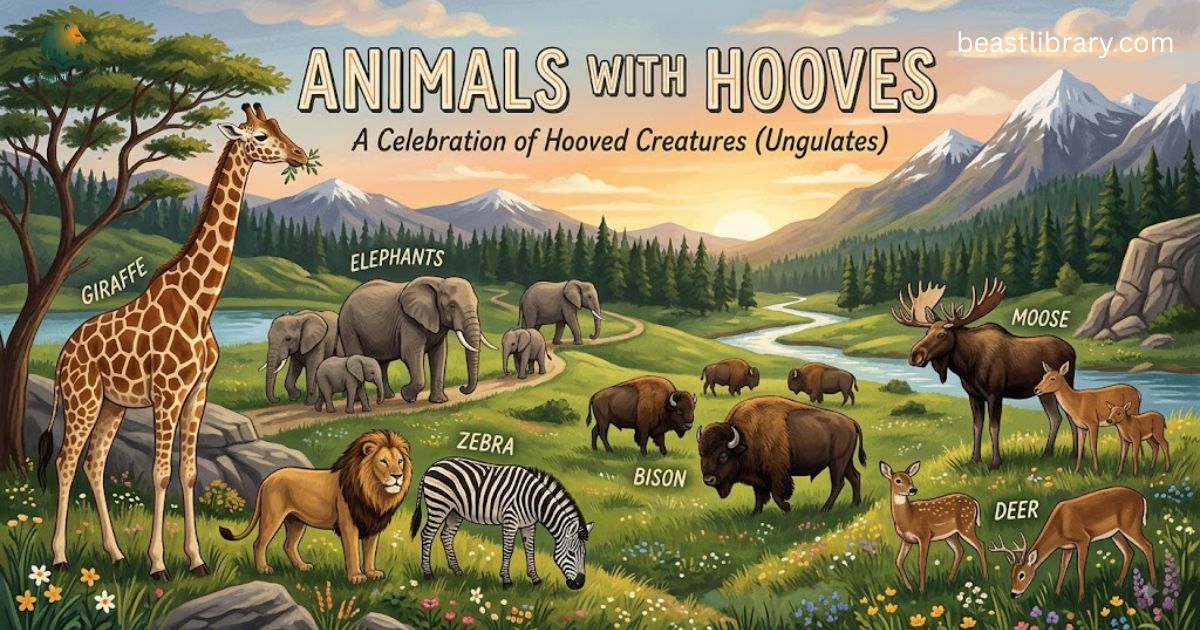
Animals with hooves are some of the most successful land mammals on Earth. Hooved animals travel speedily across the open grasslands and mountains. Hoofed animals has a natural advantage when it comes to living and moving in the wild.
Table: 18 Hoofed Animals with Scientific Name
| Rank | Animal | Scientific Name | Class | Diet |
| 1 | Horse | Equus ferus caballus | Mammalia | Herbivore |
| 2 | Donkey | Equus africanus asinus | Mammalia | Herbivore |
| 3 | Zebra | Equus quagga | Mammalia | Herbivore |
| 4 | Cow | Bos taurus | Mammalia | Herbivore |
| 5 | Bison | Bison bison | Mammalia | Herbivore |
| 6 | Buffalo | Syncerus caffer | Mammalia | Herbivore |
| 7 | Goat | Capra hircus | Mammalia | Herbivore |
| 8 | Sheep | Ovis aries | Mammalia | Herbivore |
| 9 | Deer | Cervus elaphus | Mammalia | Herbivore |
| 10 | Moose | Alces alces | Mammalia | Herbivore |
| 11 | Elk | Cervus canadensis | Mammalia | Herbivore |
| 12 | Antelope | Antilocapra americana | Mammalia | Herbivore |
| 13 | Giraffe | Giraffa camelopardalis | Mammalia | Herbivore |
| 14 | Camel | Camelus dromedarius | Mammalia | Herbivore |
| 15 | Pig | Sus scrofa domesticus | Mammalia | Omnivore |
| 16 | Wild Boar | Sus scrofa | Mammalia | Omnivore |
| 17 | Hippopotamus | Hippopotamus amphibius | Mammalia | Herbivore |
| 18 | Rhinoceros | Rhinoceros unicornis | Mammalia | Herbivore |
Detailed Look at Animals with Hooves & Pictures
1. Horse
Scientific Name: Equus ferus caballus
Class: Mammalia
Diet: Herbivore
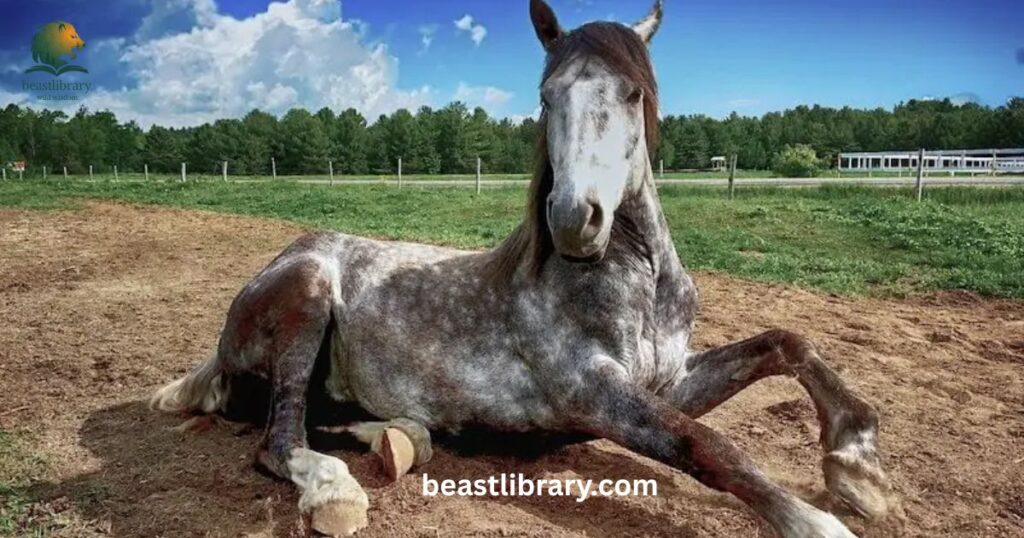
The horse is hardworking animal with hooves on Earth. It bears one strong hoof on each foot. Horses are communal mammals. Their first line of defense is speed. A horse has the ability to run more than 40 miles per hour when its life is at stake. They live in grassland.
A solid body and good lungs facilitate travelling over a long distance. Human beings have been having thousands of years of association with horses in transportation and agriculture. Horse is whiskered animal of wild. They are consider as humble animals.
Fun facts: A horse can sleep both standing up and lying down depending on its safety level.
2. Donkey– Animals with hooves
Scientific Name: Equus africanus asinus
Class: Mammalia
Diet: Herbivore
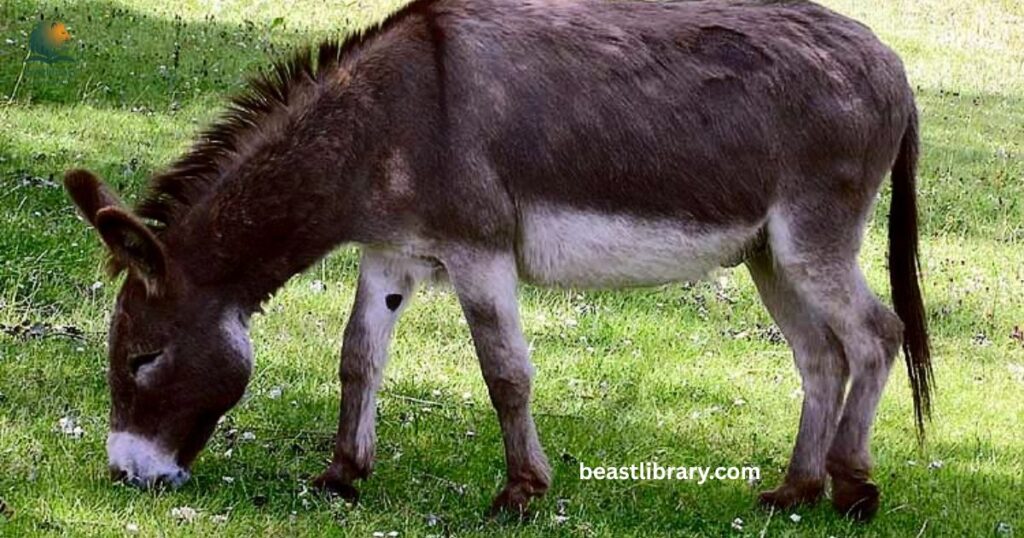
A donkey is a strong mammal that is able to withstand dry weather. It has one hind hoof like that of the horse. It has narrow and tough hooves which are effective on rocky and rough ground. Donkey is one of happiest animal in wild.
They feed on coarse plants, shrubs and dry grasses. They have the power to graze low-quality forage as compared to most grazing animals. They are stubborn animal of world.
Fun facts: A donkey can remember places and other donkeys for many years.
3. Zebra
Scientific Name: Equus quagga
Class: Mammalia
Diet: Herbivore
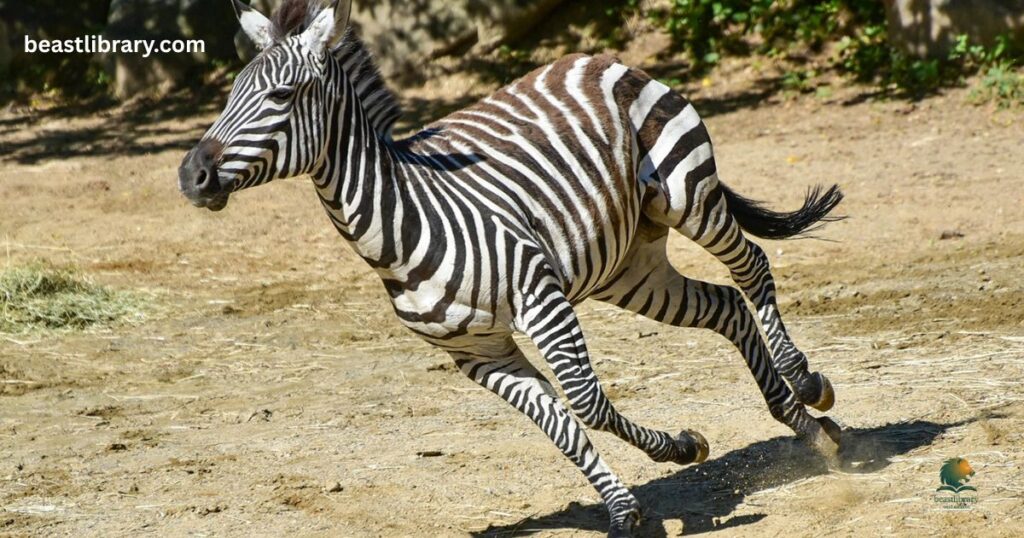
Zebra is a wild striped African horse. Each foot has one powerful hoof which is constructed to run on savannas. They live in groups of families headed by a good stallion. During seasonal migrations, several groups can form large herds of migrants.
Movement is in accordance with the rainfall and fresh grass. There are those who are alert in a herd when some are resting. Their hooves are hard and narrow. This allows fast movement over firm ground without sinking.
Fun facts: Every zebra has a completely unique stripe pattern, similar to a human fingerprint.
4. Cow
Scientific Name: Bos taurus
Class: Mammalia
Diet: Herbivore
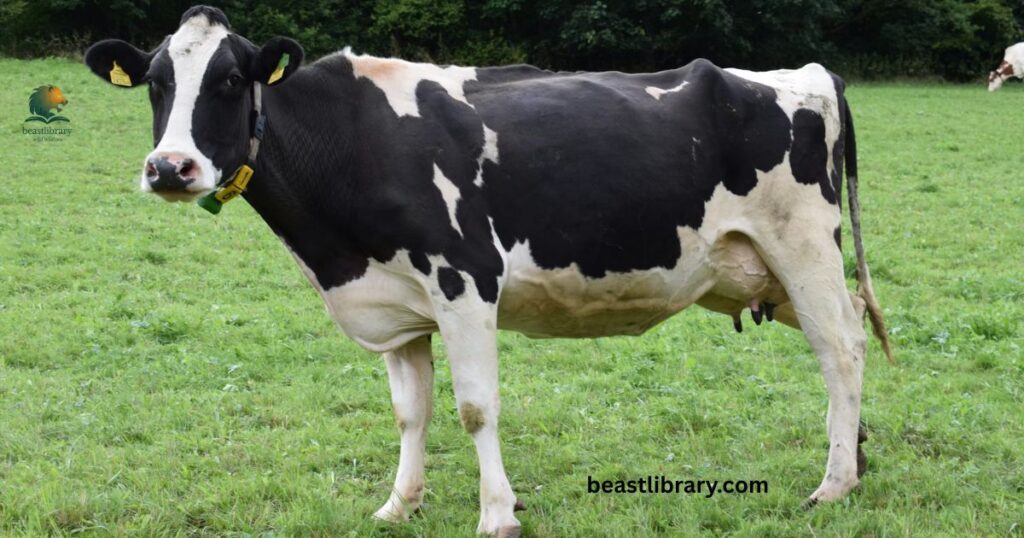
The cow is a house docile mammal distributed all over the world. It uses hooves, which is to say that each foot is split in two. This building assists in the distribution of body weight on soft pastures.
Cows are animals that inhabit farms, grass lands and countryside in all the continents except the Antarctic. They are social herd animals. Cows are familiar individuals and they create stable social groups. They are stubborn animals.
Fun facts: Cows can recognize and remember individual herd members for long periods.
5. Bison
Scientific Name: Bison bison
Class: Mammalia
Diet: Herbivore
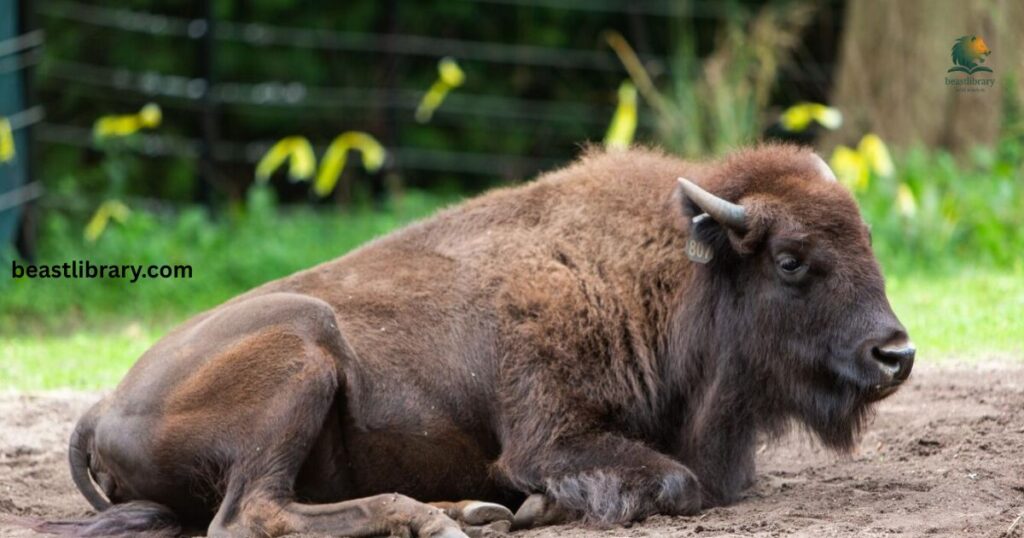
Bison is a huge mammal that is a native animal of North America. The feet are cloven, which support heavy weight and give traction in the grasslands and the plains. They are horned animal. Consider as dirtiest animal of wild with thickest skin.
The practice of habitat mapping indicates a remnant population in conservation parks and reserves. They like the plain area, river valleys and prairie areas. Bison are of importance in ecology. They are grumpy animals.
Fun facts: Bison can run faster than humans and even jump over fences when startled.
6. Buffalo
Scientific Name: Syncerus caffer
Class: Mammalia
Diet: Herbivore
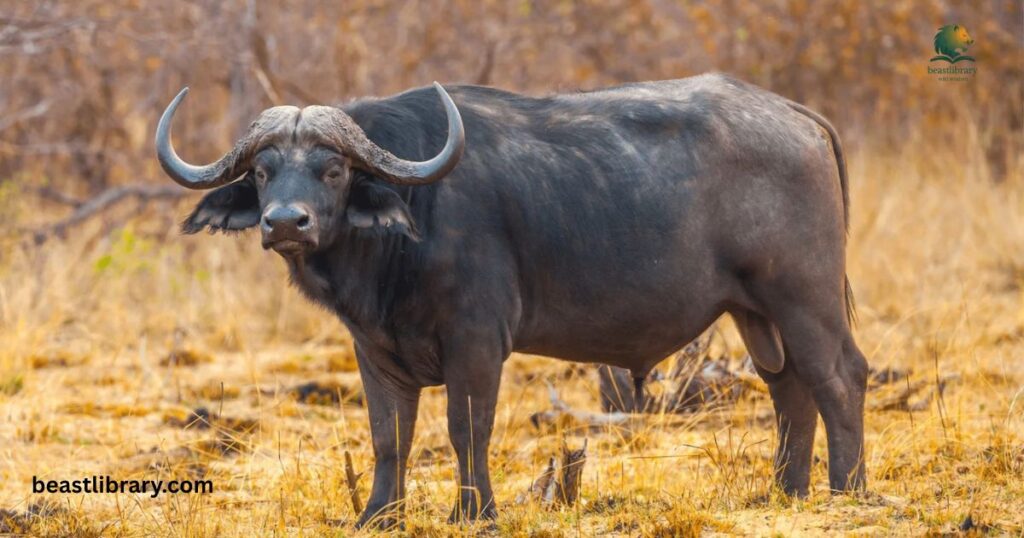
Cape buffalo or African buffalo is a cloven-hooved cow of four-legged mammal. That is due to its heavy structure and powerful legs, which permit it to move steadily in the savannas and woodlands. They are animals that live in mud.
Buffalo is found in herds of less than a few or up to hundreds. Herds help safeguard against such predators as lions and hyenas. Their feet are tough and durable which stabilizes on soft or wet as well as uneven surfaces. This helps in migration as well as fleeing predators.
Fun facts: Buffalo is horned animal is known to protect injured or young herd members from predators.
7. Goat
Scientific Name: Capra hircus
Class: Mammalia
Diet: Herbivore
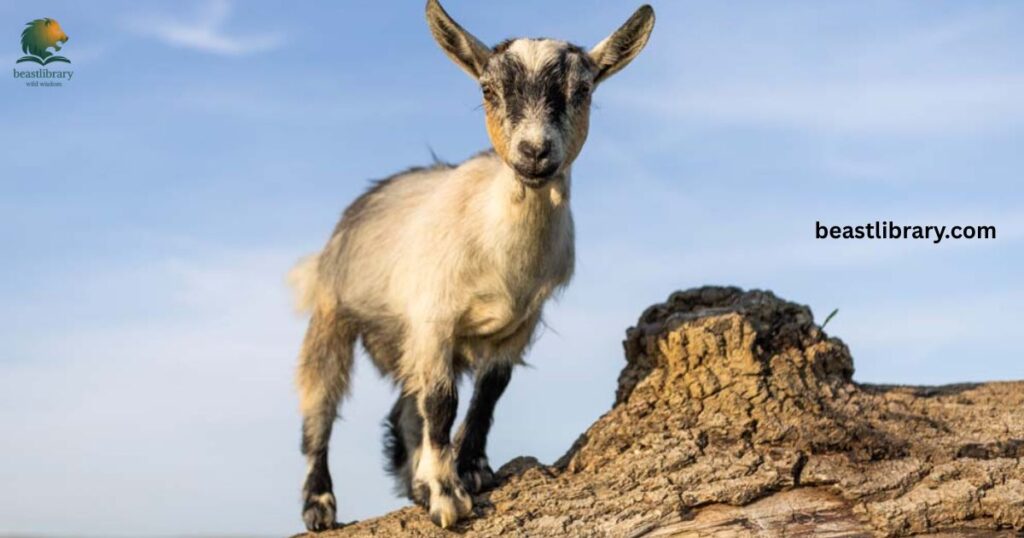
The goat is stubborn medium sized or small hoofed mammal. It can easily move through rocky slopes using its hooves to move up and down slopes. Fiber, meat, and milk are offered by domesticated goats. They are mischievous animals of wild.
Wild goats play an important role in the maintenance of the mountain ecosystems by limiting the vegetation growth. Goats are great animals with hooves for kid to learn about because they are so friendly. They are energetic animals.
Fun facts: Goats can climb nearly vertical rocks to reach food or escape predators.
8. Sheep
Scientific Name: Ovis aries
Class: Mammalia
Diet: Herbivore
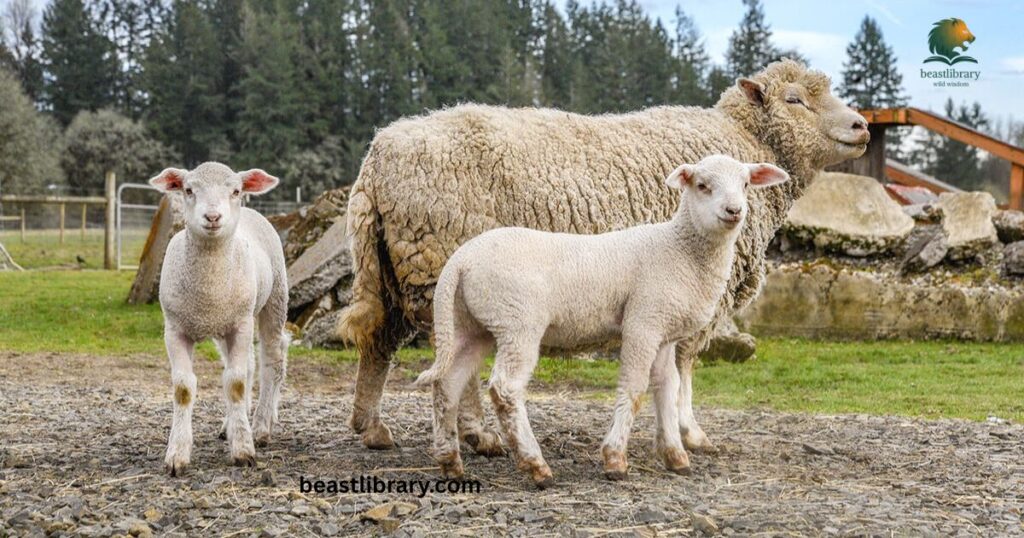
Sheep are tamed hooved mammals having cloven hooves. Their hooves make them balanced and offer traction in pastures, on hills and on rocky surfaces. They survive in grasslands, mountains and temperate areas.
The hooves are divided in two toes, which distribute weight and make them stable on unstable or soft soil. Domesticated breeds should be properly taken care of.
Fun facts: Sheep can recognize faces of other sheep and even humans for extended periods.
9. Deer
Scientific Name: Cervus elaphus
Class: Mammalia
Diet: Herbivore
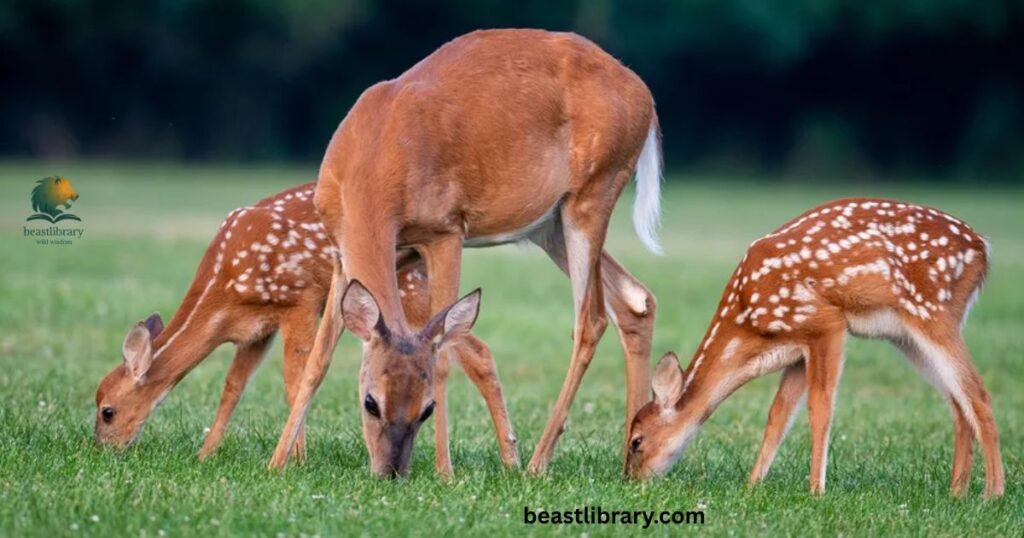
The deer is a mammal that has antlers and cloven hooves. Its hooves allow it to move silently in forests, grasslands, and mountainous areas. The hooves are sharp and hard, which gives them the opportunity to move on soil, snow or rocky surfaces.
Clover hooves make the slipping low and create stability. Deer are beautiful animals with hooves and horns that love to run and hide in the quiet woods. They feed on grasses, leaves, twigs, fruits, and bark.
Fun facts: Deer can run swiftly and jump over obstacles up to 8 feet high when escaping danger.
10. Moose
Scientific Name: Alces alces
Class: Mammalia
Diet: Herbivore
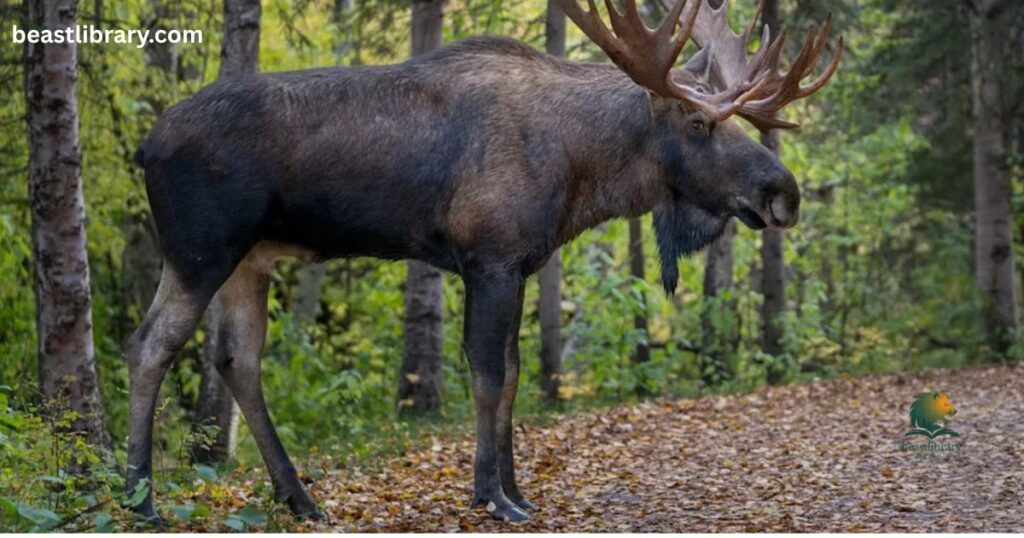
The moose have cloven-hooves and antlers and the biggest breed of a horned mammal. These are broad hooves that are spread, a factor that assists it to sustain its very huge weight on soft, snowy or muddy soil. They like forests, wetlands and river or lake areas.
Moose are able to swim a long distance and also can submerge to cause feeding on the aquatic vegetation. They have large noses and long legs which make them move easily in the marshy areas.
Fun facts: Moose can swim over 6 miles at a time and dive underwater to feed on plants.
11. Elk
Scientific Name: Cervus canadensis
Class: Mammalia
Diet: Herbivore
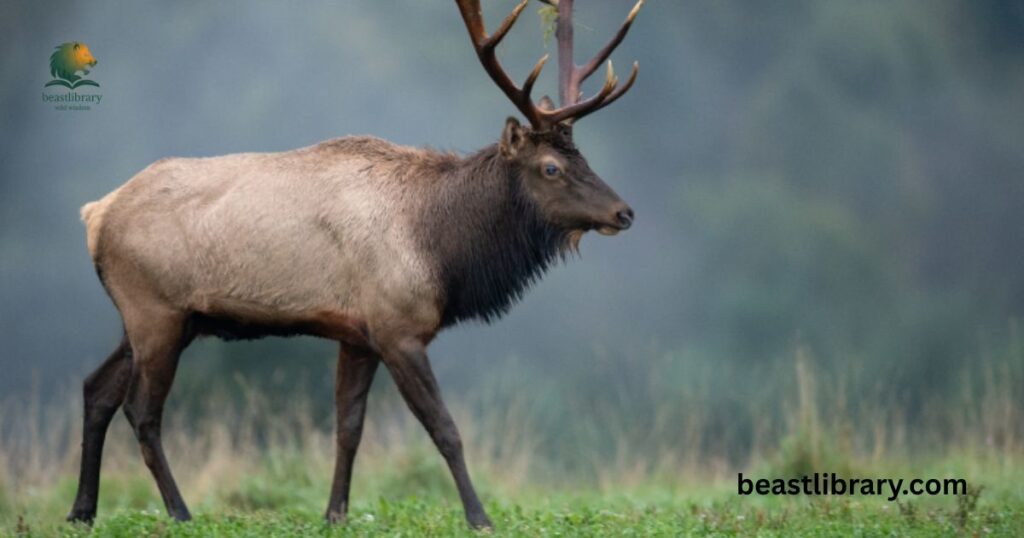
The elk is a massive hooved mammal and has hooves that are cloven. On grasslands, forests and mountainous terrains, hooves provide support and stability. They feed on grasses, leaves, bark and shrubs. They are ruminants and they chew cud to enhance digestion of fibrous plants.
Elin is able to run fast and live on steep surfaces. Among the predators, there are wolves, bears and mountain lions. Herding lowers the risk of an individual.
Fun facts: Elk can leap over obstacles up to 8 feet high to escape predators.
12. Antelope
Scientific Name: Antilocapra americana
Class: Mammalia
Diet: Herbivore
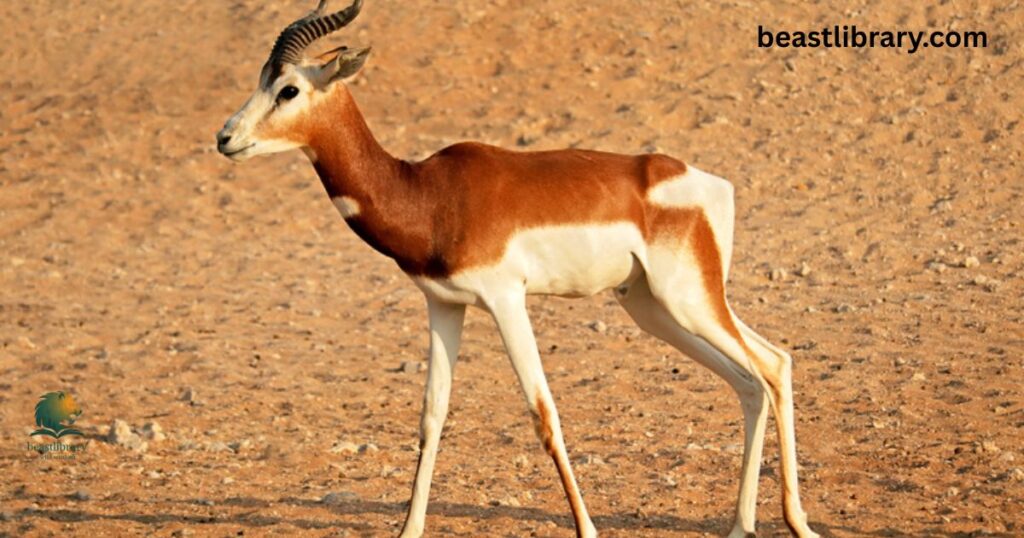
The pronghorn or the antelope as it is popularly known in North America is a mammal with cloven hooves. It has small and narrow hooves which enable it to run at a rapid speed on the plains and grasslands.
The pronghorns are the fastest terrestrial mammals in North America, with a top speed of 55 miles per hour (over a short distance). They are also very fast at covering long distances, a factor that prevents predator attacks.
Fun facts: Pronghorn antelope can run nearly twice as fast as a human for long distances.
13. Giraffe
Scientific Name: Giraffa camelopardalis
Class: Mammalia
Diet: Herbivore
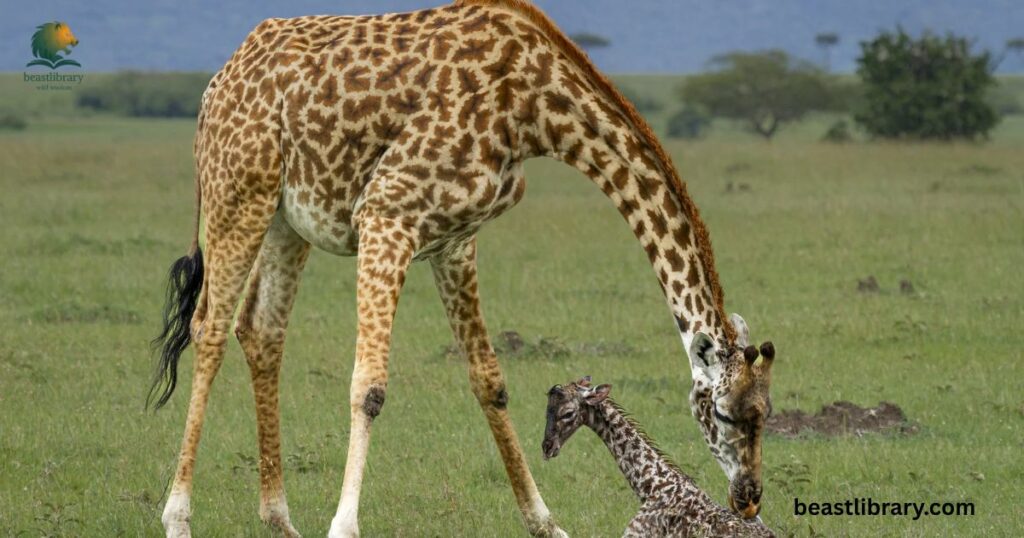
The giraffe is a clawed mammal with an arch hammered hoof. It has large sturdy hooves, which carry its long legs and huge mass of the body on savannas and woodlands that are open. Giraffes can be seen in sub-Saharan Africa habitat maps.
Giraffes do not live in thick forests or in deserts. They feed leaves, shoots, as well as fruits of tall trees. The hooves make it stable in loose sandy soil and irregular ground. Hooves are also used by giraffes in the process of drinking water. They are long neck animal.
Fun facts: A giraffe’s kick is strong enough to kill a lion.
14. Camel
Scientific Name: Camelus dromedarius
Class: Mammalia
Diet: Herbivore
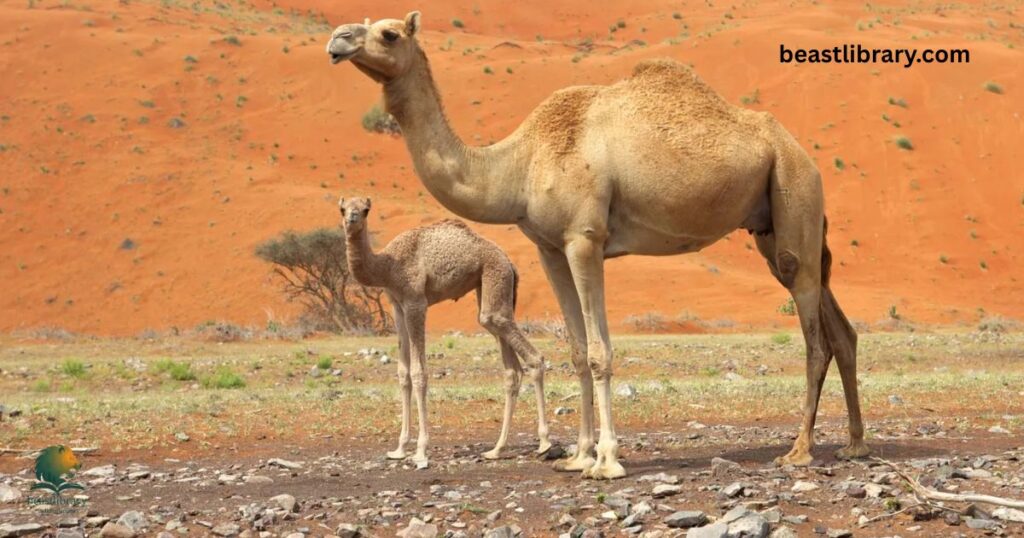
The dromedary camel is long neck and a hoarded mammal with cleaved hooves. Its wide and durable hooves enable it to walk on the sand without sinking, hence suitable for desert survival. They feed on dry grasses, shrubs, and desert plants.
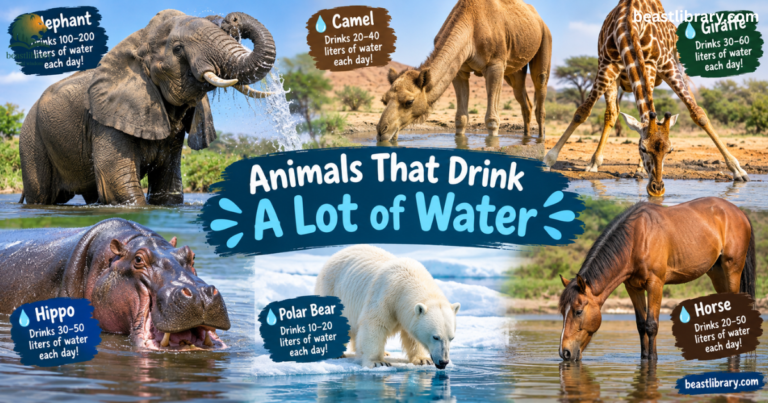
The hooves are wide and flat thus evenly distributing the weight to prevent sinking in sand. Cameras are also efficient in transporting heavy loads at long distances; this makes the camels important in the deserts. They are animal that drink a lot of water.
Fun facts: A camel can travel up to 25 miles in a day across desert sand without water.
15. Pig
Scientific Name: Sus scrofa domesticus
Class: Mammalia
Diet: Omnivore
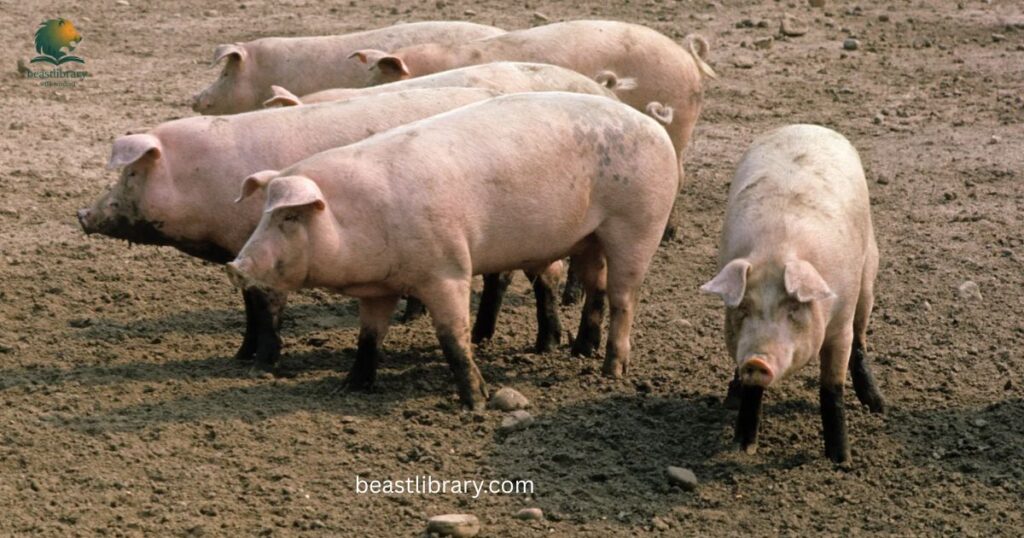
Pig is a domesticated hooved mammal that big noses and cloved hooves. These hooves give stability on soft soils and mud and other irregular grounds and hence they make the pigs fit in the farms and forests.
They do well in forests, in grasslands and in wetlands where there is plenty of food. In muddy or slippery places, hooves give some form of support and traction. Cloven toes serve to support the weight in order to avoid sinking.
Fun facts: Pigs are highly intelligent and can learn simple tasks faster than dogs.
16. Wild Boar
Scientific Name: Sus scrofa
Class: Mammalia
Diet: Omnivore
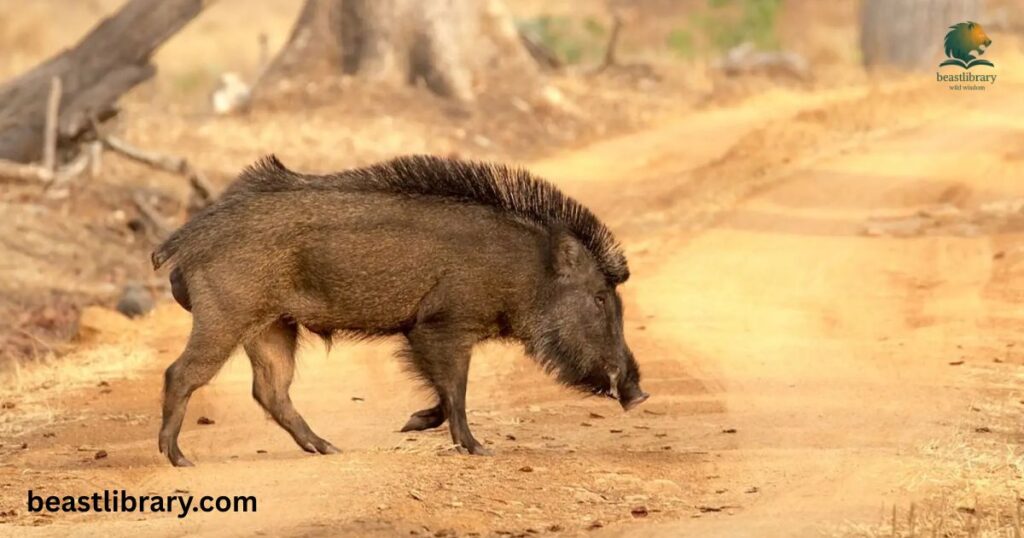
Wild boar is a mammal having cloven hooves. Hooves enable it to move freely and effectively in forests, grasslands, and wetlands. They are root feeders, tuber feeders, nut feeders, fruit feeders, small animal feeders, and insect feeders. They are animals having trunk.
They chew and ruminate to the fullest to obtain the greatest intake of nutrients. Splenic hooves give stability and support. Hooves permit it to move on soft forest soil, muddy soil, and irregularity of land.
Fun facts: Wild boars can run up to 30 miles per hour and use sharp tusks to defend themselves.
17. Hippopotamus
Scientific Name: Hippopotamus amphibius
Class: Mammalia
Diet: Herbivore
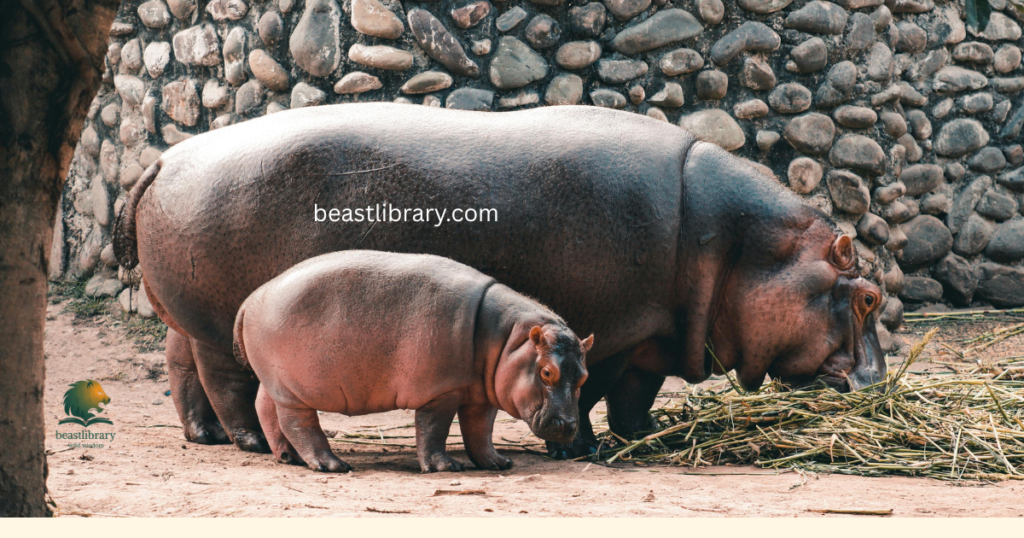
The hippopotamus is a huge hoofed mammal that has four toes on every foot with each toe having an ending that is a hoof. These hooves carry huge weight and assist in moving both in the water and the land. Their food is primarily grass, and they eat a great deal of it at night.
Hippos are fast on land even over short distances, although their hooves are useful in waters where they are also provided with grips on muddy riverbeds. Their toes are webbed which helps them in swimming. They are animals that growl. They heavy animals so can not jump.
Fun facts: A hippopotamus can run faster than a human on land and stay submerged underwater for up to five minutes.
18. Rhinoceros
Scientific Name: Rhinoceros unicornis
Class: Mammalia
Diet: Herbivore
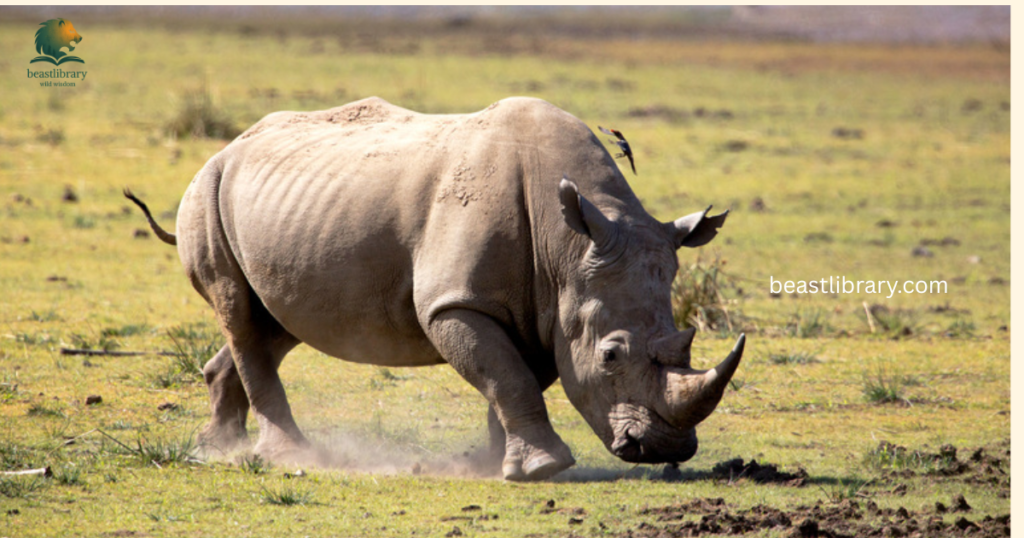
Indian rhinoceros is a mammal with three toes on one foot. Hooves are broad and powerful, bearing great weight of the body on soft and marshy or forested soil. They feed on aquatic plants, shoots, leaves and grasses. Their digestive system is able to break fibrous plants.
Wet and uneven ground is conveniently supported by hooves. Large feet make it easier to spread the load and avoid sinking on loose ground. They are animals that live n mud.
Fun facts: A rhinoceros can run up to 30 miles per hour despite its heavy weight.
Conclusion – Hoofed Animals
Animals with hooves list is interesting and diverse. Since the fast plains zebra to the mighty moose, every species possesses its adaptations that make it survive in a variety of environments.
By learning about these animals, we come to value the contribution they make in the ecosystems. Animal with hooves observation can teach us about evolution, survival mechanisms and balance of nature.
FAQs:
What are animals have hooves?
Animals that have hooves are called ungulates. Hooves are hard coverings on the tips of their toes, helping them walk, run, and support their body weight, especially on land.
Are not all the hoofed animals herbivores?
Most hoofed animals are herbivores, but not all.
Where do hoofed animals live?
Hoofed animals (ungulates) live in many different habitats around the world. Their hooves are specially adapted to match the environment they live in.
What is the role of the hoofed animals in the ecosystems?
Hoofed animals (ungulates) play very important roles in ecosystems. They help keep nature balanced.