Top 16 Interesting Animals With Pouches (With Pictures)
Animals with pouches, like kangaroos and koalas, showcase unique adaptations that allow them to thrive in their environments. In this article, we’ll dive into the biology, behaviors, and habitats of these captivating Animals With Pouches. Prepare to be amazed by the incredible ways they nurture their offspring and the significance of these adaptations in the animal world.
List of Animals With Pouches
Below is the list of animals that have pouches:
- Kangaroos
- Koalas
- Wallaby
- Tasmanian Devils
- American Opossums
- Musky Rat Kangaroo
- Echidna
- Sugar Gliders
- Sea Horses
- Quokkas
- Wombat
- Tree-Kangaroo
- Numbat
- Bandicoots
- Quoll
- Bilby
1. Kangaroos
Scientific name: Macropus
Class: Mammalia
Diet: Herbivore
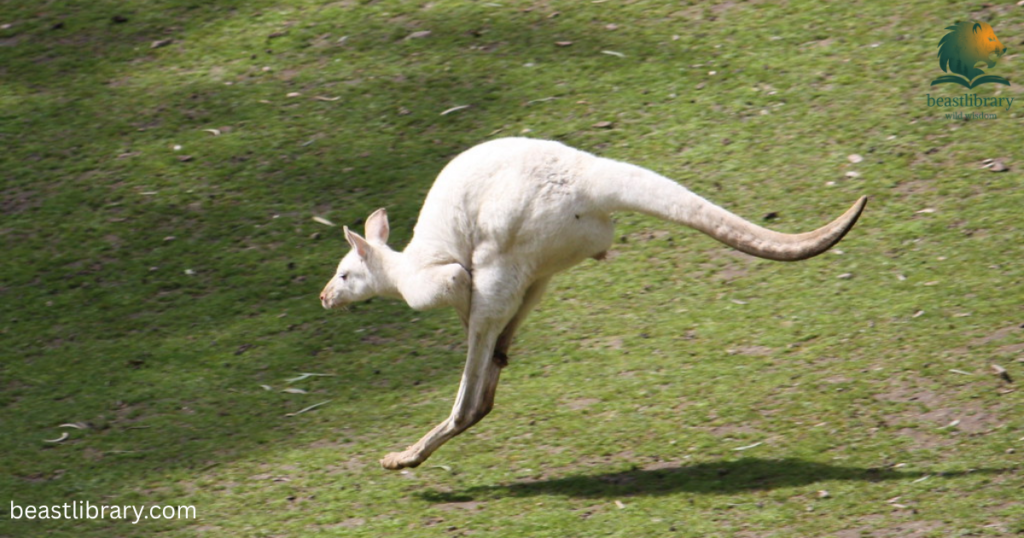
Kangaroos, the iconic marsupials of Australia, are famous not just for their impressive leaps but for the incredible role their pouches play in their reproductive strategy. Unlike many mammals, which carry their young for extended periods in their wombs, kangaroos give birth to underdeveloped joeys that climb into their mother’s pouch to continue their growth. This unique adaptation allows for a more flexible reproductive cycle, enabling the mother to be constantly ready to conceive again while still nurturing a young one.
2. Koalas
Scientific name: Phascolarctos cinereus
Class: Mammalia
Diet: Herbivore
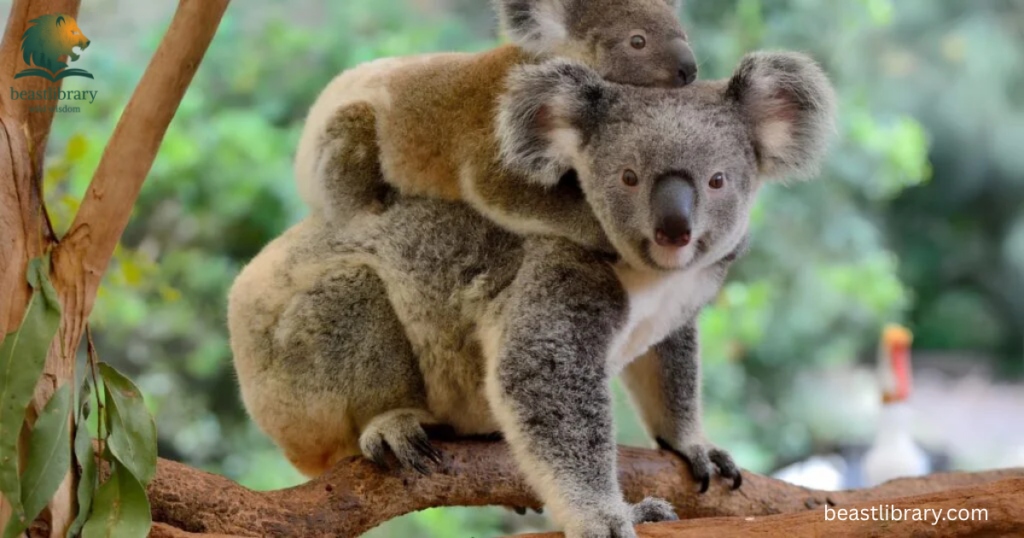
Koalas, those iconic Australian marsupials, are more than just cute faces in eucalyptus trees. Their pouch, a vital part of their reproductive strategy, serves an essential purpose: it helps protect and nurture their young as they develop in the early, vulnerable stages of life. This unique adaptation allows a mother koala to carry her joey, who clings tightly inside, providing a warm and safe environment for up to six months. Interestingly, the pouch opens upward, preventing any debris from falling in as she navigates her treetop habitat.
3. Wallaby
Class: Mammalia
Diet: Herbivore
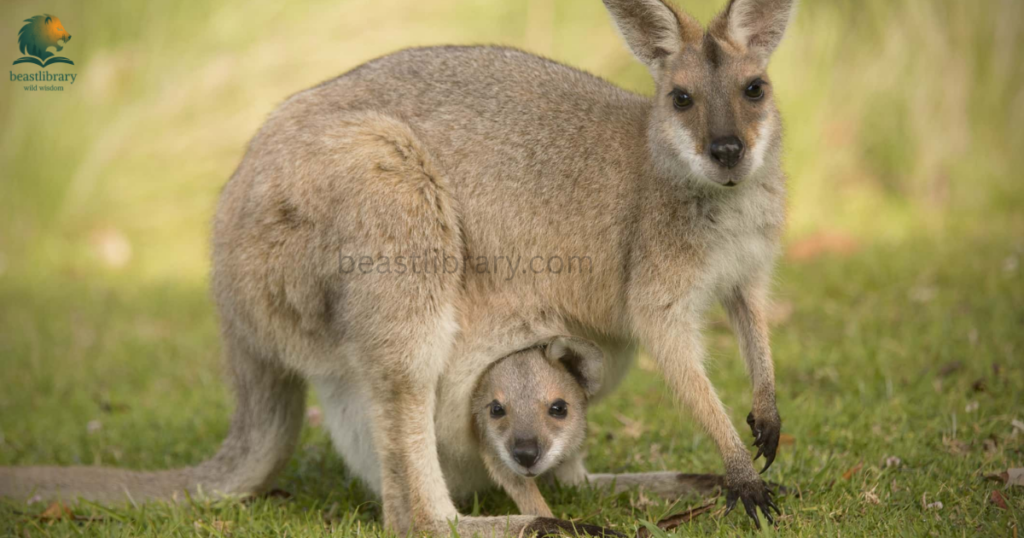
The wallaby, a smaller relative of the kangaroo, embodies the enchanting diversity of marsupials, thriving in the vibrant landscapes of Australia and New Guinea. With their specialized pouches, female wallabies offer a nurturing cradle for their joeys, ensuring safety and warmth in their early developmental stages. Unlike many mammals, the pouch provides a unique evolutionary advantage, allowing for continuous nourishment while also granting the mother mobility to forage and evade predators.
4. Tasmanian Devils
Scientific name: Sarcophilus harrisii
Class: Mammalia
Diet: Carnivore / scavenger
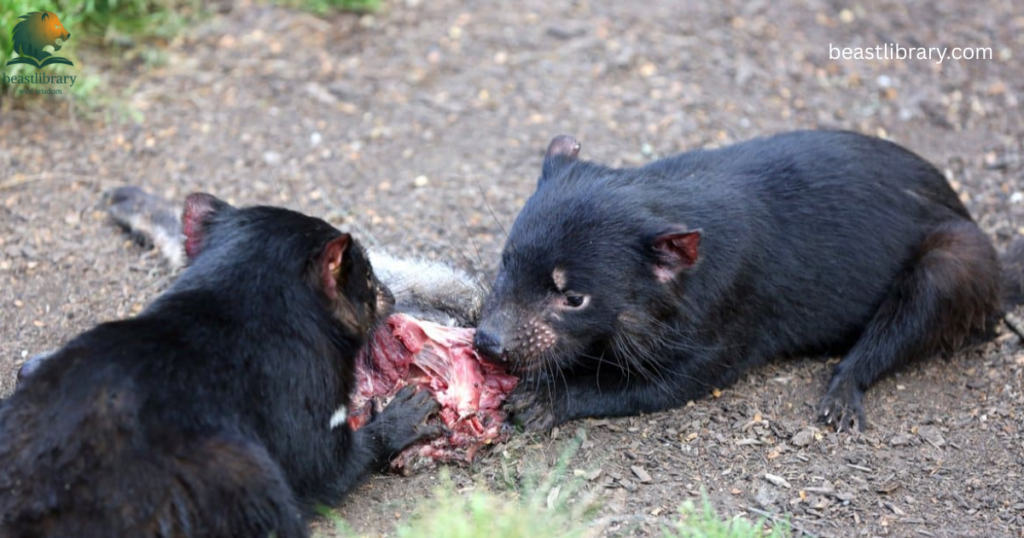
Tasmanian devils, the iconic marsupials of Australia’s island state, possess a unique niche within the animal kingdom. Unlike the more widely recognized kangaroos and koalas, these nocturnal scavengers boast a pouch that plays a vital role in their survival. Female Tasmanian devils use their pouches to carry and nurse their young, nurturing them in a safe environment as they navigate a world rife with predators and dwindling habitat. The pouch opens backward, preventing dirt and debris from entering while the mother forages, a clever adaptation that speaks to their rugged lifestyle.
5. American Opossums
Scientific name: Didelphis virginiana
Class: Mammalia
Diet: Omnivore
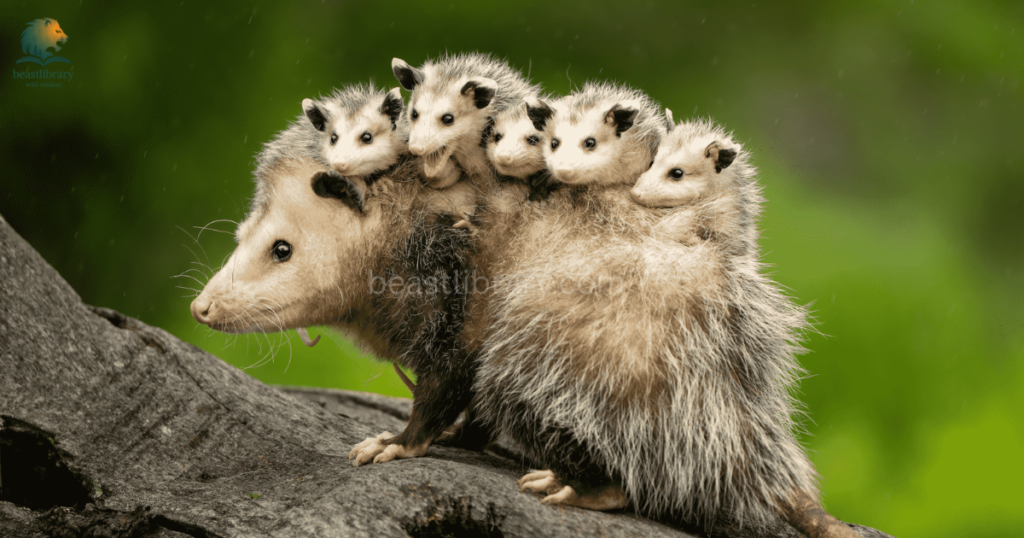
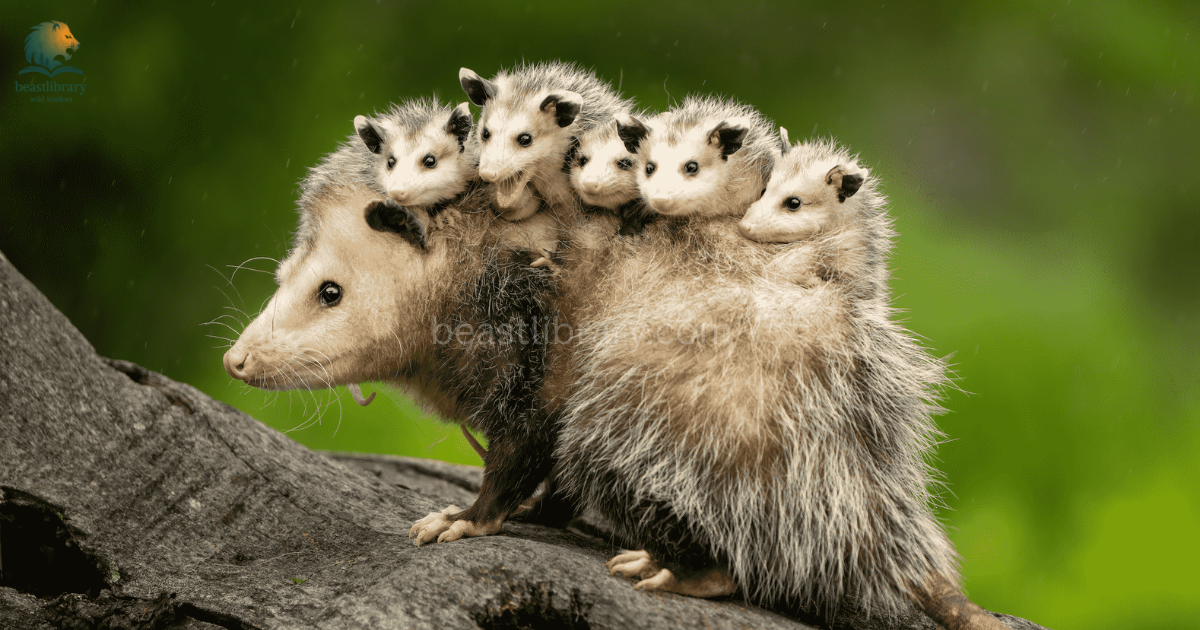
American opossums are creatures that transport us back to a time when marsupials roamed the Earth in greater numbers. With their signature pouches, these unique mammals provide an exceptional way for mothers to care for their young in the face of a challenging environment. After giving birth to tiny, underdeveloped offspring, the mother opossum nurtures them in her pouch for up to two months, a remarkable adaptation that allows her to keep her brood safe from predators while they continue to grow.
6. Musky Rat Kangaroo
Scientific name: Hypsiprymnodon moschatus
Class: Mammalia
Diet: Omnivore / frugivore
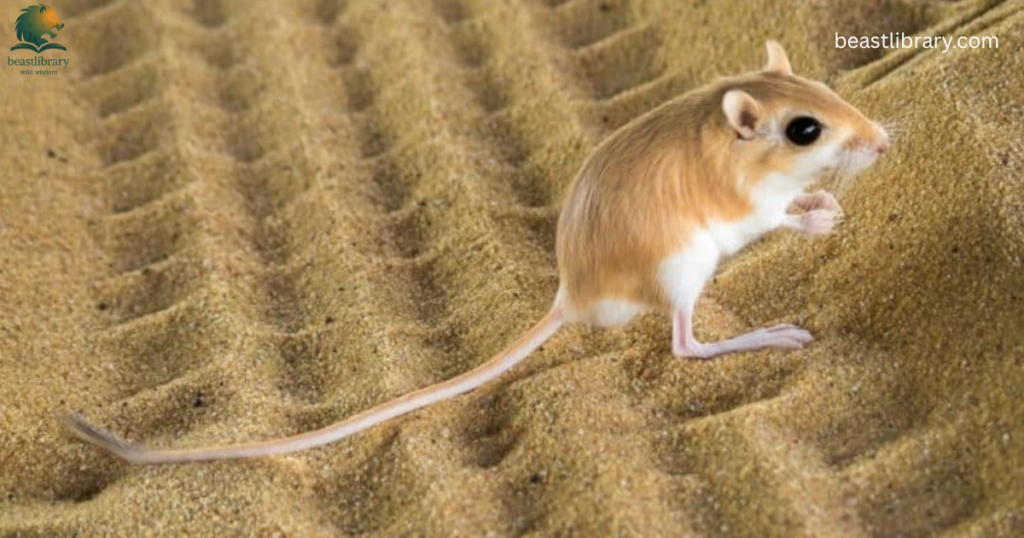
The musky rat kangaroo, a diminutive marsupial native to Australia, challenges our perceptions of pouch-bearing animals. Unlike its larger relatives, this creature offers a unique blend of traits: a rat-like body with kangaroo lineage. Its agile, nimble movements allow it to swiftly navigate dense forest underbrush, showcasing an evolutionary advantage in foraging for insects and fruits.
What sets the musky rat kangaroo apart is not just its unusual appearance, but how it utilizes its pouch. Females possess a forward-opening pouch that provides an optimal environment for nurturing and protecting their young. This adaptation enables them to remain mobile and escape potential predators while carrying their offspring. Observing these creatures in their natural habitat reveals a captivating dynamic between survival and nurturing, highlighting the artistry of evolution in a world where every trait matters.
7. Echidna
Scientific name: Tachyglossidae
Class: Mammalia
Diet: Insectivore
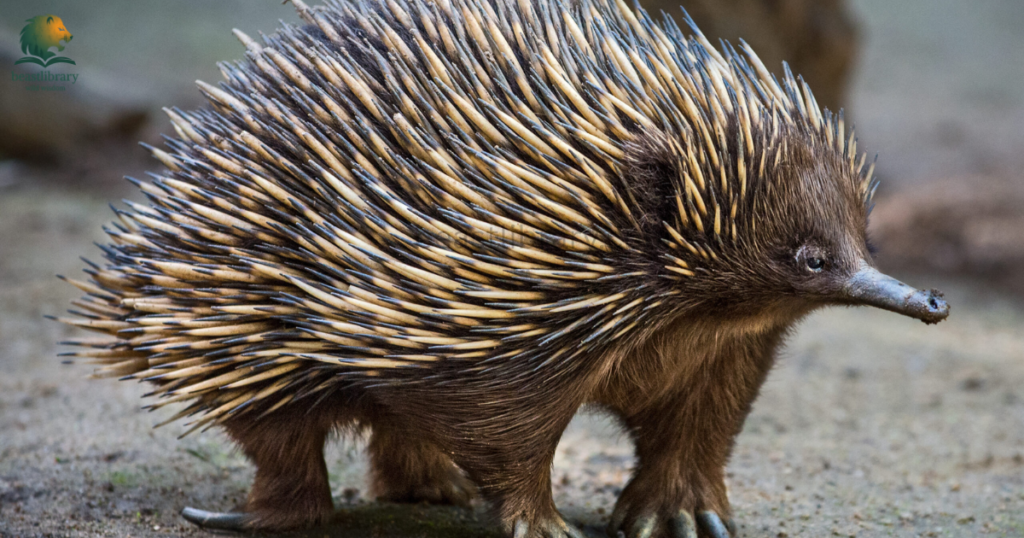
Among the Animals With Pouches, the echidna offers a captivating glimpse into nature’s creativity. Unlike typical marsupials, echidnas are monotremes, laying eggs rather than giving birth to live young, and their pouches serve a unique purpose. The female echidna has a temporary pouch, which is essential for nurturing the precious eggs. Once hatched, the tiny, helpless spawns remain snugly tucked inside this pouch, feeding on the mother’s nutrient-rich milk until they develop enough to venture into the world.
8. Sugar Gliders
Scientific name: Petaurus breviceps
Class: Mammalia
Diet: Omnivore
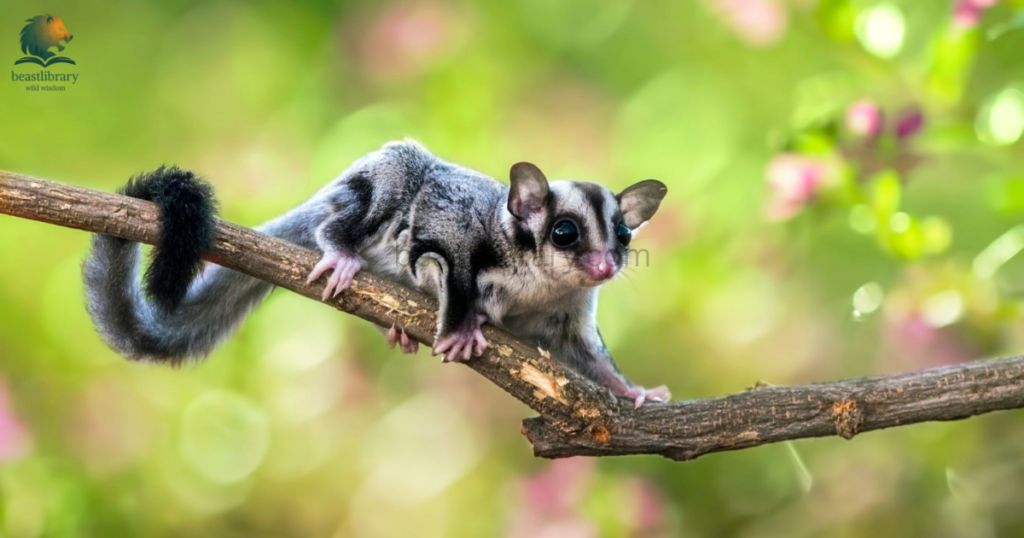
Sugar gliders, small marsupials native to Australia and New Guinea, are beings that combine cuteness with remarkable adaptability. Their large, expressive eyes and delicate features are just the beginning; these nocturnal creatures possess a unique membrane, known as a patagium, allowing them to glide between trees with remarkable agility. Not just a mode of transport, this gliding capability is crucial for their survival in the wild, as it helps them evade predators and locate food sources.
However, it’s the sugar glider’s pouch that sets it apart from other small mammals. This pouch serves not just as a protective space for their young but also nurtures the connection between mother and offspring. Newborns, barely the size of a peanut, instinctively make their way to the pouch, where they latch onto a teat for nourishment.
9. Sea Horses
Scientific name: Hippocampus
Class: Actinopterygii
Diet: Carnivore
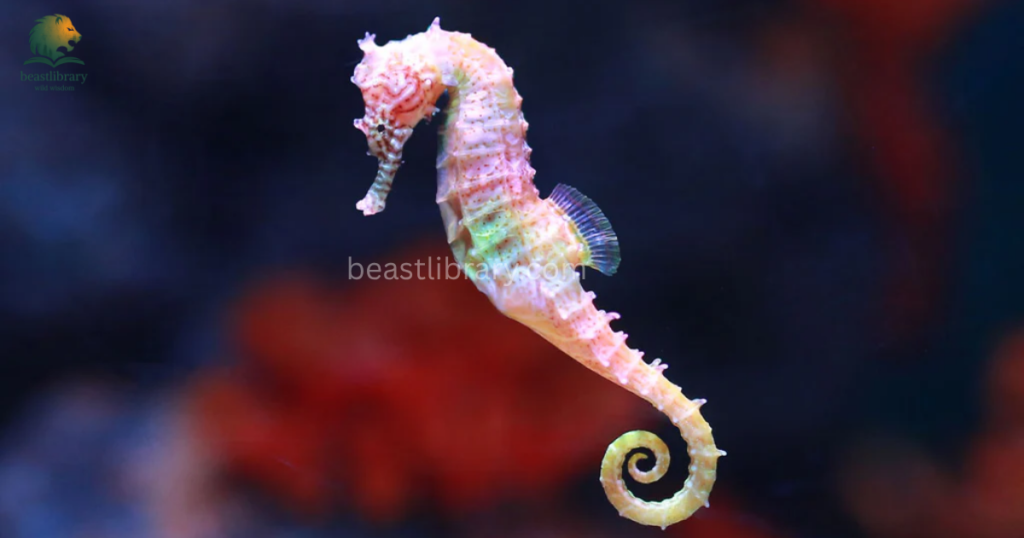
Seahorses are one of the ocean’s most extraordinary examples of parental care, with the male assuming a unique role in reproduction by carrying fertilized eggs in a specialized pouch. This pocket-like structure, located on their abdomen, not only nurtures the developing embryos but also provides them with oxygen and nutrients, a process remarkably akin to mammalian gestation. What makes this even more change in the variety of pouch sizes and shapes across different seahorse species, showcasing nature’s versatility in adaptation.
10. Quokkas
Scientific name: Setonix brachyurus
Class: Mammalia
Diet: Herbivore
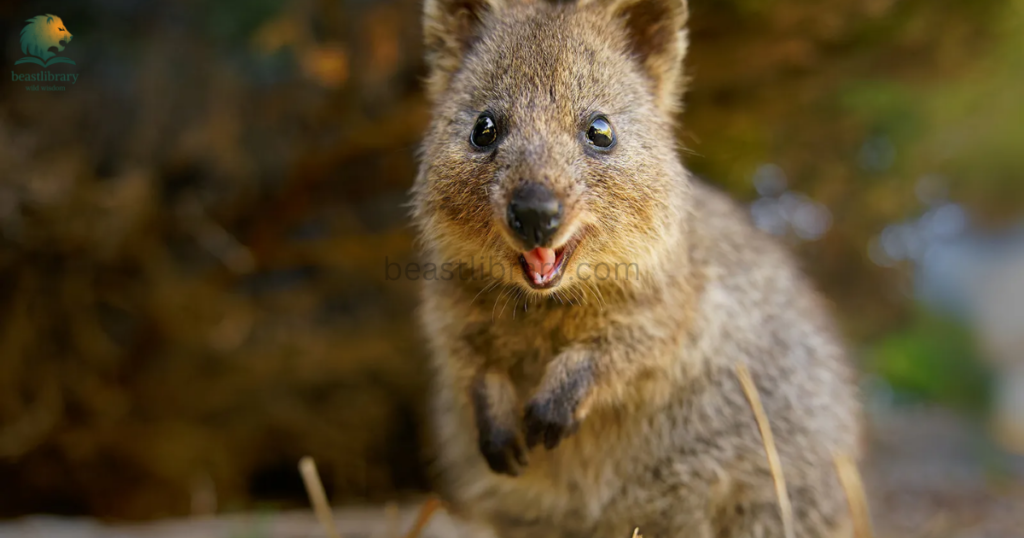
Quokkas, often dubbed the “world’s happiest animals,” are small marsupials native to Australia, particularly found on Rottnest Island. Their charismatic smiles and approachable demeanor have won over the hearts of many, but there’s much more to these cuddly creatures than their endearing expressions. Quokkas have a unique adaptation: a pouch that serves as a safe haven for their young, allowing them to nurture their offspring while remaining agile in their environment, a necessity in their predator-laden habitat.
Quokkas’ pouches are not like those of kangaroos; they open towards the back, which protects the young from dirt and debris as the mother forages. This clever design also keeps the pouch clean and decreases the risk of predators accessing the vulnerable joey.
11. Wombat
Scientific name: Vombatus ursinus
Class: Mammalia
Diet: Herbivore
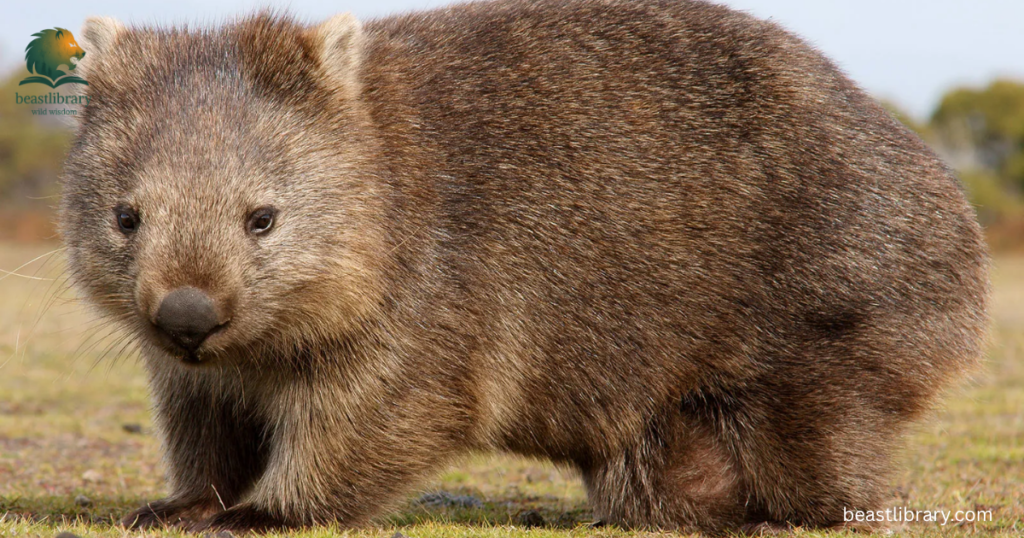
Wombats, often overshadowed by their more famous marsupial cousins, possess some intriguing characteristics that make them truly special. Their distinctive pouch, which opens backwards, is designed to protect their young while burrowing through the earth. This unique feature not only keeps the joey safe from dirt and debris but also ensures the mother can dig without obstruction. For a creature that spends a significant amount of time underground, this evolutionary adaptation is nothing short of ingenious.
12. Tree-Kangaroo
Scientific name: Dendrolagus
Class: Mammalia
Diet: Herbivore
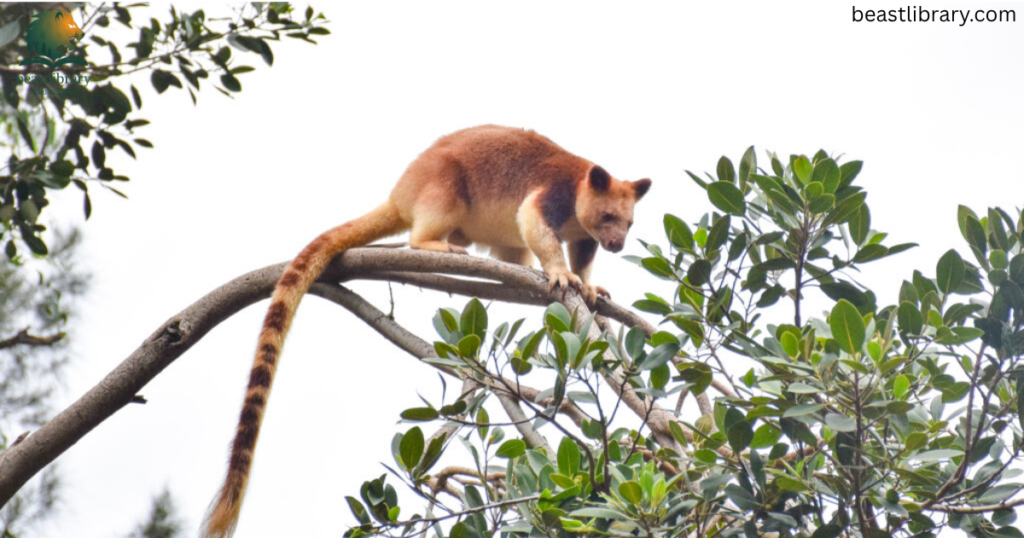
The tree-kangaroo, a fascinating member of the kangaroo family, defies typical notions of its ground-dwelling relatives by adapting to an arboreal lifestyle. Found primarily in the lush rainforests of New Guinea and surrounding regions, these marsupials display remarkable agility and balance, enabling them to navigate the treetops with ease. Their strong limbs and prehensile tails allow them to leap between branches, showcasing a different kind of skill set compared to their terrestrial cousins.
What truly sets the tree-kangaroo apart is its nurturing pouch, a biological marvel designed for both safety and convenience. The tree-kangaroo gives birth to relatively underdeveloped young, which then continue their critical early growth stages in the warmth of their mother’s pouch. This protective environment not only provides the growing joey with nutrients but also cultivates an intimate bond, as the mother navigates the branches with her young tucked securely away.
13. Numbat
Scientific name: Myrmecobius fasciatus
Class: Mammalia
Diet: Insectivore
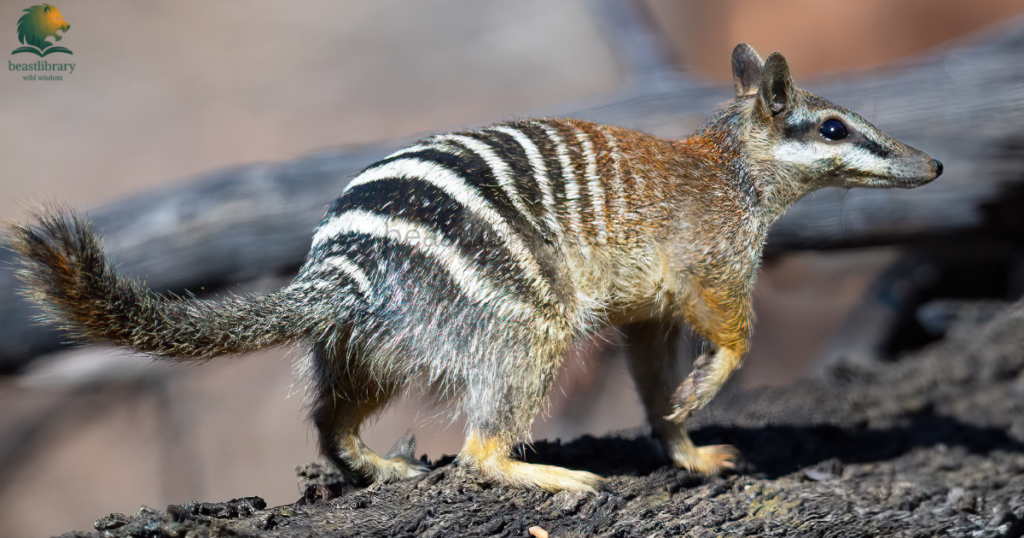
The numbat, a striking marsupial native to Australia, captivates with its unique lifestyle and vivid appearance. With its slender body and stunning striped back, the numbat is not just a visual gem; it plays a crucial role in its ecosystem. Unlike many other marsupials, the numbat’s diet consists almost entirely of termites, making it a highly specialized insectivore. This adaptation allows it to be an ecological sentinel, helping control termite populations while also serving as a food source for predators in its habitat.
14. Bandicoots
Class: Mammalia
Diet: Omnivore
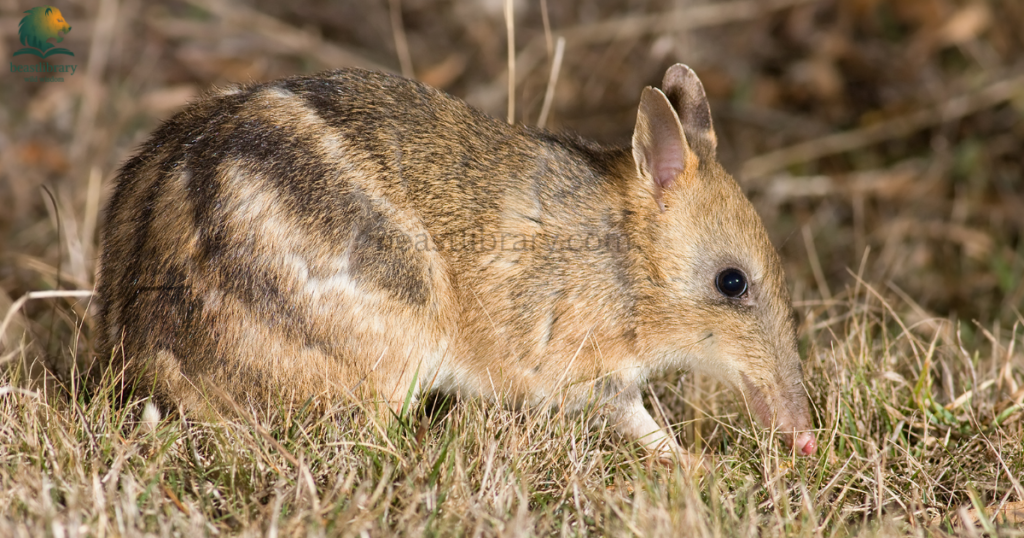
Bandicoots, often overshadowed by their more famous marsupine relatives, offer a glimpse into the diverse world of pouch-bearing animals. Unlike the larger kangaroos or wallabies, bandicoots are small, nocturnal creatures that embody a unique set of characteristics. With their elongated snouts and adorable physical form, they have adapted to a lifestyle of foraging for insects, seeds, and small invertebrates, showcasing their crucial role in maintaining ecological balance.
15. Quoll
Scientific name: Dasyurus
Class: Mammalia
Diet: Carnivore
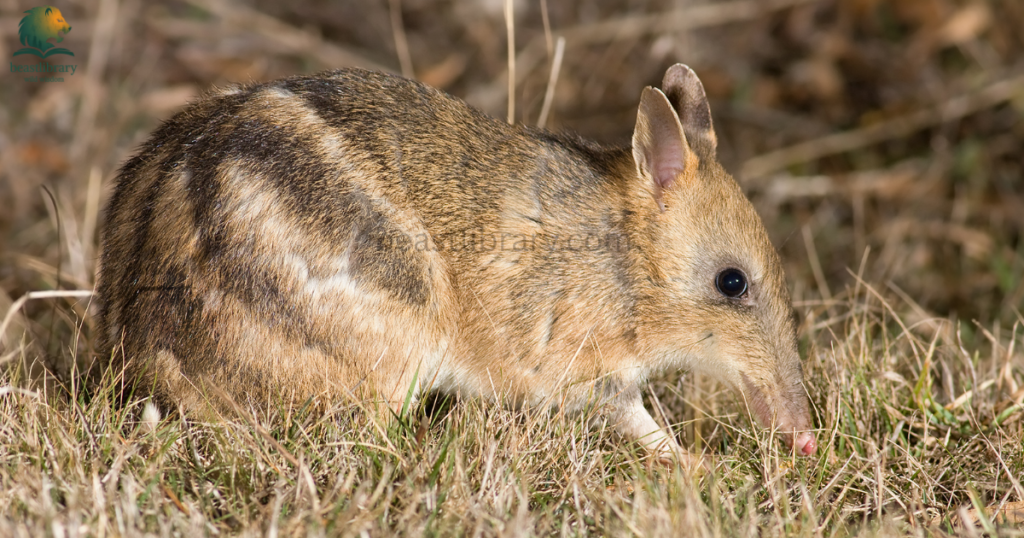
The quoll, often overshadowed by its more famous marsupial cousins like the kangaroo or koala, is a remarkable creature with a strikingly unique charm. These small to medium-sized carnivorous marsupials are found primarily in Australia and New Guinea, boasting a spotted coat that allows them to blend seamlessly into their forest environments. What sets quolls apart is their impressive adaptability; they are skilled climbers and proficient hunters, preying on insects, small mammals, and even reptiles. Their diet reflects an ecological balance, playing a crucial role in controlling pest populations.
16. Bilby
Scientific name: Macrotis lagotis
Class: Mammalia
Diet: Omnivore
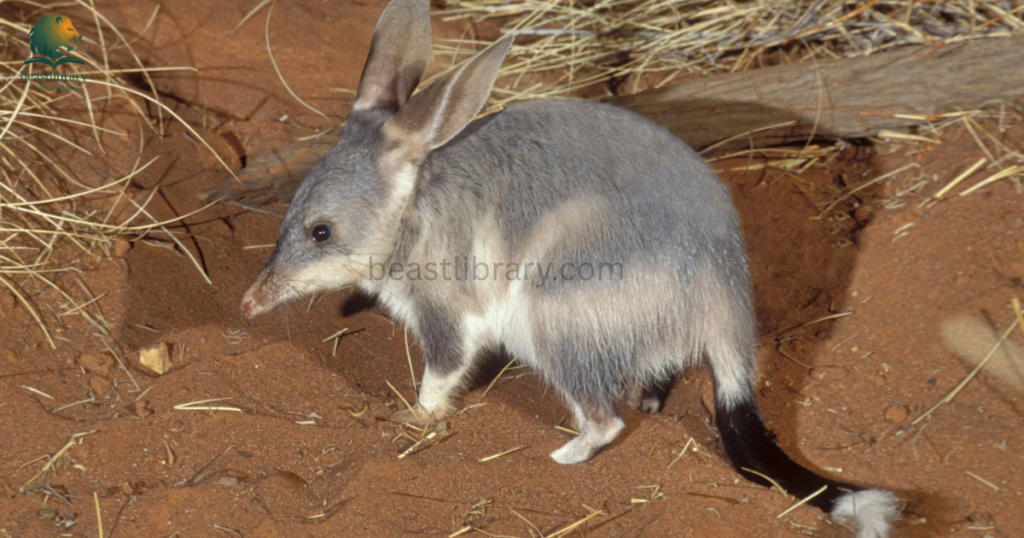
The bilby, a striking marsupial native to Australia, captivates with its unique adaptations and behaviors. Sporting large ears and a long, slender snout, this nocturnal creature is not just charming but also plays a crucial role in its ecosystem. The bilby’s pouch, typically associated with nurturing young, serves an added function: it protects the developing marsupial from dirt as the mother digs for food. This protective feature highlights the bilby’s evolutionary ingenuity in adapting to its arid environment.
Final Thoughts
Animals with pouches showcase the remarkable adaptability of nature and its strategies for survival. From kangaroos bounding across the Australian outback to the lesser-known opossums in North America, these creatures exhibit unique reproductive methods that set them apart from other mammals. Their pouches not only provide a safe haven for their young but also reflect the diversity of life on our planet.
FAQs
What are animals with pouches called?
Animals with pouches are mostly called marsupials. Female marsupials have a special pouch where their underdeveloped babies continue to grow and nurse after birth. Well-known animals with pouches include kangaroos, koalas, wombats, and opossums.
Why do some animals have pouches?
Some animals with pouches use them to protect and carry their young during the early stages of development. The pouch provides warmth, safety, and easy access to the mother’s milk until the baby is strong enough to survive outside.