Top 15 Animals That Live In Savannas: A Complete Wildlife Guide
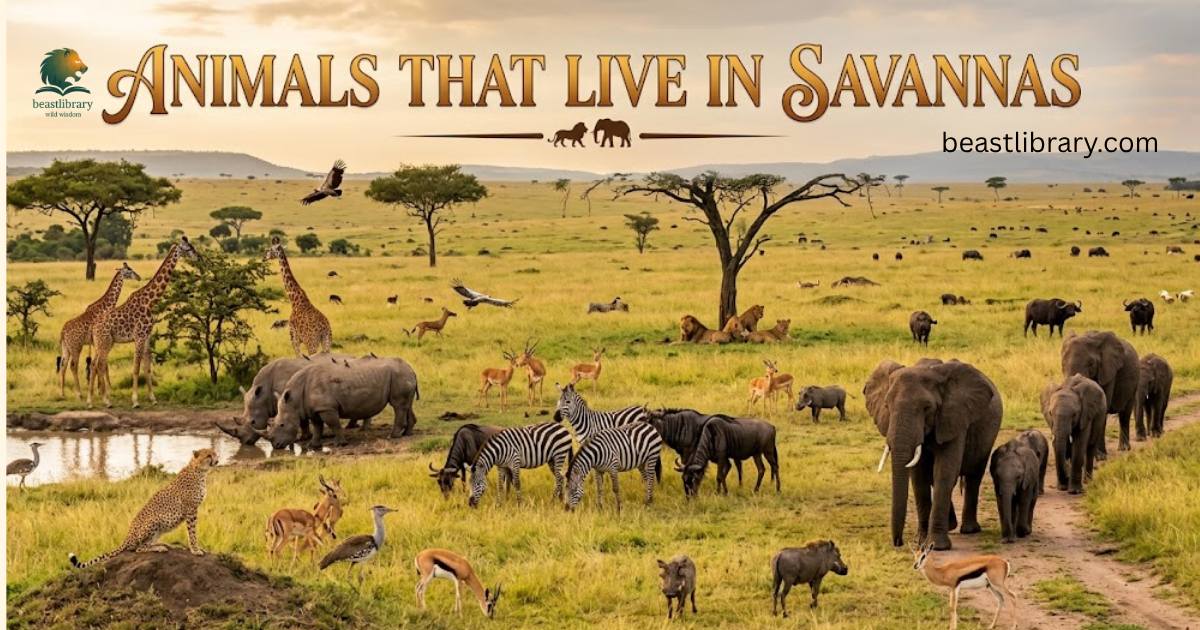
Animals that live in savannas grasslands such as lions, zebras and elephants are highly adapted to survive long dry seasons and hot climates. Savannas occur in Africa, South America, Australia as well as part of India. Here you will get guide about Animals in Savannas.
Table Of Top 15 Animals That Live In Savannas
| No. | Common Name | Scientific Name | Class | Diet |
| 1 | African Lion | Panthera leo | Mammalia | Carnivore |
| 2 | African Elephant | Loxodonta africana | Mammalia | Herbivore |
| 3 | Cheetah | Acinonyx jubatus | Mammalia | Carnivore |
| 4 | Plains Zebra | Equus quagga | Mammalia | Herbivore |
| 5 | Giraffe | Giraffa camelopardalis | Mammalia | Herbivore |
| 6 | Spotted Hyena | Crocuta crocuta | Mammalia | Carnivore |
| 7 | African Buffalo | Syncerus caffer | Mammalia | Herbivore |
| 8 | Warthog | Phacochoerus africanus | Mammalia | Omnivore |
| 9 | Ostrich | Struthio camelus | Aves | Omnivore |
| 10 | Meerkat | Suricata suricatta | Mammalia | Insectivore |
| 11 | Serval | Leptailurus serval | Mammalia | Carnivore |
| 12 | Secretary Bird | Sagittarius serpentarius | Aves | Carnivore |
| 13 | Impala | Aepyceros melampus | Mammalia | Herbivore |
| 14 | Nile Crocodile | Crocodylus niloticus | Reptilia | Carnivore |
| 15 | Aardvark | Orycteropus afer | Mammalia | Insectivore |
List Of Animals That Live In Savannas
1. African Lion
Scientific Name: Panthera leo
Class: Mammalia
Diet: Carnivore
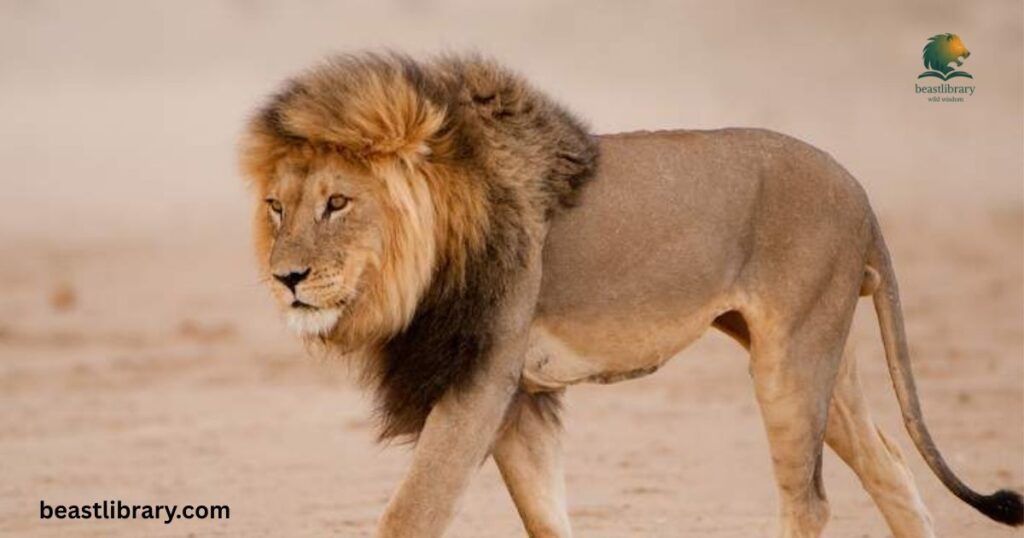
The African lion is the most recognized animals that live in savannas. It inhabits sub-Saharan Africa in open grasslands and light woodlands. Lions rest for most of the day. When it is colder they are in action. The ideal time of hunting is early morning and night.
Off-springs are born blind and they entirely rely on their mothers. Primary issues include destruction of habitats and fights with livestock farmers. It regulates the population of herbivores and balances in the savanna ecosystem.
Fun Fact: A lion’s roar can be heard up to 8 kilometers away across open savanna plains.
2. African Elephant
Scientific Name: Loxodonta africana
Class: Mammalia
Diet: Herbivore
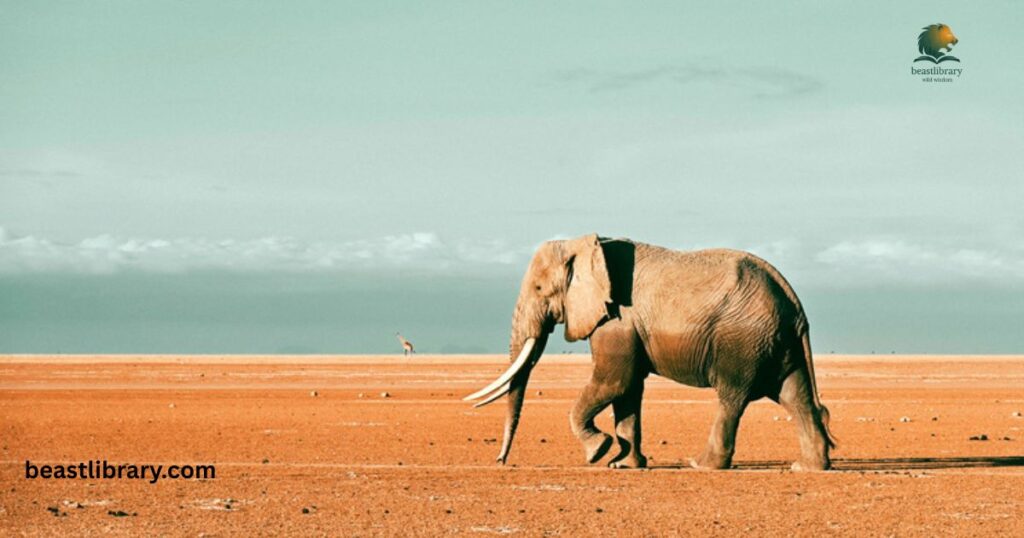
The African elephant is the largest stubborn land animal, it lives in savannas grasslands along water bodies in sub-Saharan Africa, headed by a female. She tends to be the eldest woman. Mothers and young males form herds. Male adults always tend to live alone or in groups of few bachelors.
During the wet season, they feed on grasses. During the dry season they consume bark, the roots of leaves. Ecosystem engineers are African elephants. They are mischievous animals and their dietary habits pattern influences the savanna topography and maintains biodiversity.
Fun Fact: African elephants have big nose and communicate using low-frequency sounds that can travel through the ground for long distances.
3. Cheetah
Scientific Name: Acinonyx jubatus
Class: Mammalia
Diet: Carnivore
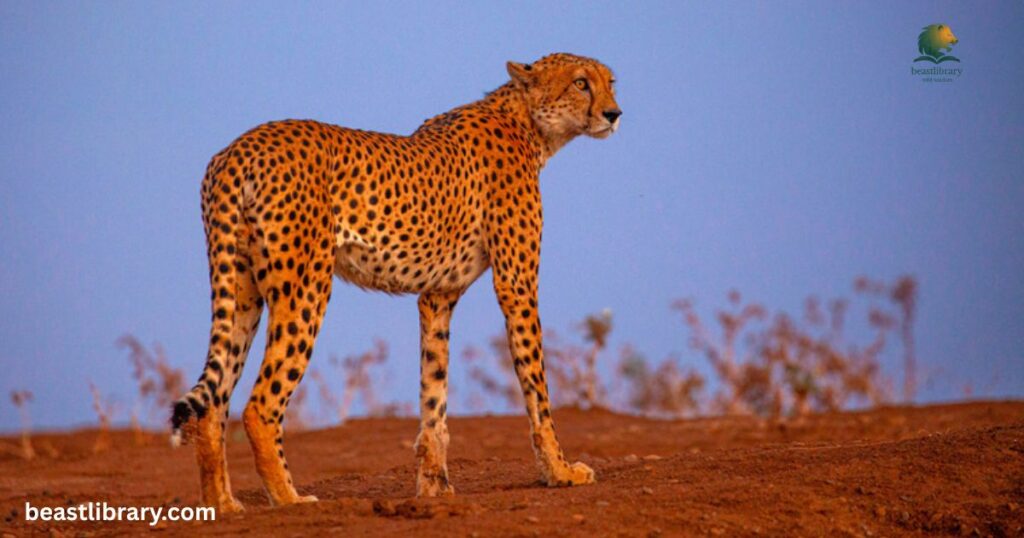
The cheetah is the fastest spotted land animal in tropical savannah ecosystems, like open plains to spot prey from a distance. Mostly active during the day to avoid competing with lions and hyenas. Its slim body and long tail provide perfect balance during high-speed turns.
Under the eyes there is a mark of black tears and this lowers glare caused by the sun. Part of Iran is still left with small groups. The cheetah is useful in the regulation of medium-sized herbivores. The savanna ecosystem unique to its primacy is its speed and hunting way.
Fun Fact: The cheetah can accelerate from 0 to 60 kilometers per hour in just a few seconds during a hunt.
4. Plains Zebra
Scientific Name: Equus quagga
Class: Mammalia
Diet: Herbivore
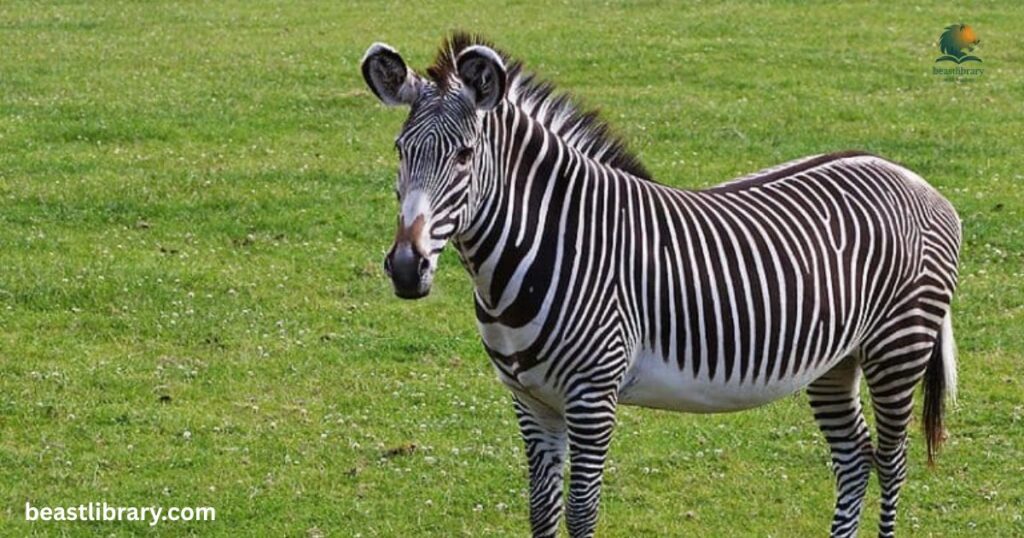
The plains zebra is the most recognizable animals that live in savannas. Migration is usually achieved through herds. Zebras feed on grasses. They are able to chew upon coarse and dry grasses more than most of the herbivores.
The zebras are uniquely striped. Predator confusion in movement can also occur when the stripes are moved in groups. In times of threats, they create a zigzag. They are able to kick with powerful hind legs. The plains Zebra is a significant component of the savanna ecosystem.
Fun Fact: No two zebras have the same stripe pattern, making each individual unique.
5. Giraffe
Scientific Name: Giraffa camelopardalis
Class: Mammalia
Diet: Herbivore
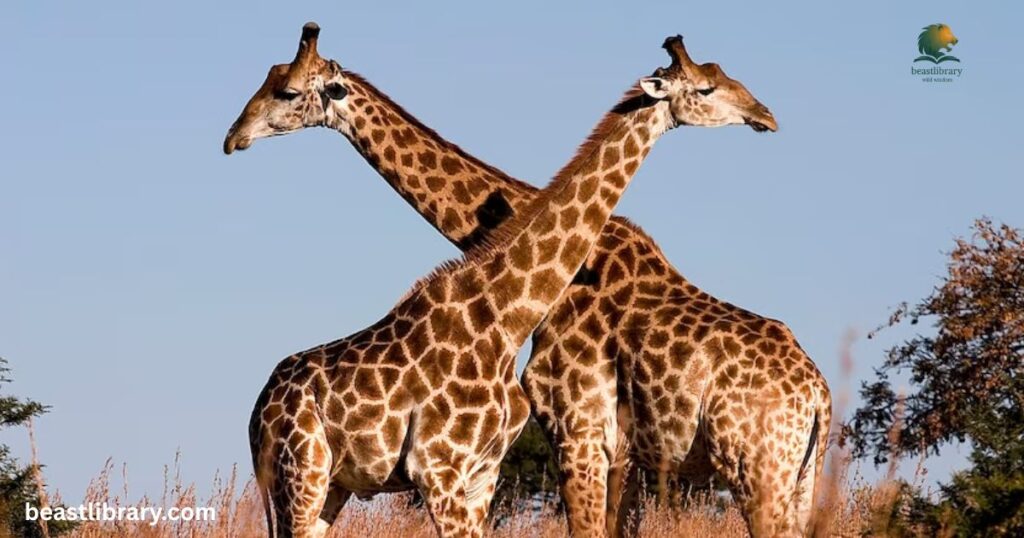
The giraffe is the tallest land animal and most iconic animals that live in savannas. It occurs in open grasslands and dispersed woodland in sub-Saharan Africa. The acacia trees are closely associated with giraffes. They are clumsy animals.
They mainly feed on leaves, shoots as well as flowers of tall trees. Their long neck enables them to feed on food stuffs that are inaccessible by many other herbivores. It has the prehensible tongue to strip the leaves off thorny branches.
Under short distances, giraffes have a speed of up to 60 kilometers per hour. Their height is an added advantage of detecting predators. A giraffe has a big and strong heart. It forces blood into the long neck of the brain.
Fun Fact: A giraffe’s heart can weigh over 11 kilograms to pump blood up its long neck.
6. Spotted Hyena
Scientific Name: Crocuta crocuta
Class: Mammalia
Diet: Carnivore
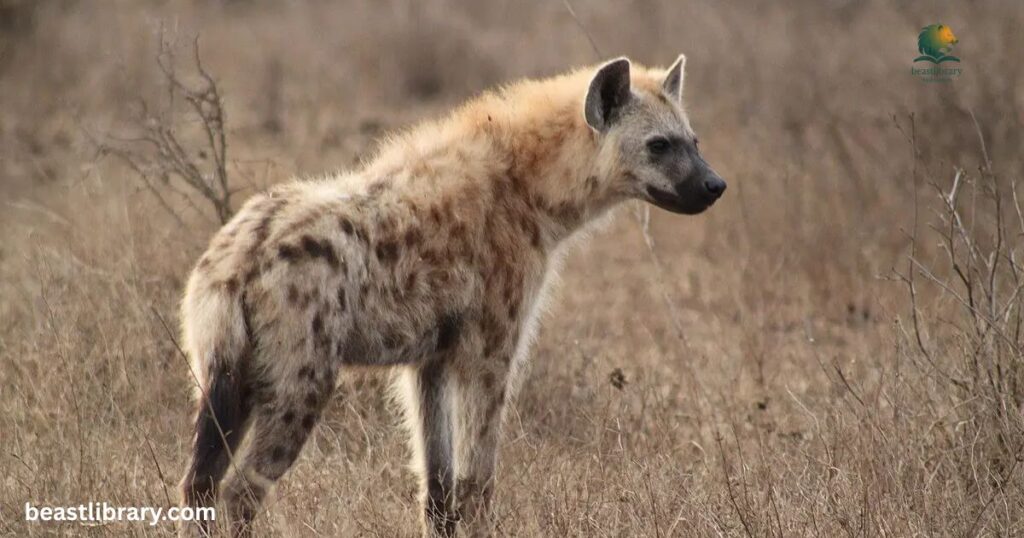
The spotted hyena is a powerful predator and searcher among animals that live in savannas. It inhabits grasslands, open plains and woodland marginal areas across sub- Saharan Africa. There is a strict female-dominated male hierarchy.
They are skilled hunters. They do not just depend on scavenging, as it is commonly believed. Antelope, zebra and young wildebeest are consumed by hyenas. Their powerful jaws are able to crack the bone.
Spotted hyenas are important in the health of ecosystems. They eat the carcass of animals thereby curbing the spread of diseases. Being hunters and scavengers, they are needed to balance prey populations as well as to stabilize the food web in the savanna.
Fun Fact: Spotted hyenas have one of the strongest bite forces among mammals relative to their size.
7. African Buffalo
Scientific Name: Syncerus caffer
Class: Mammalia
Diet: Herbivore
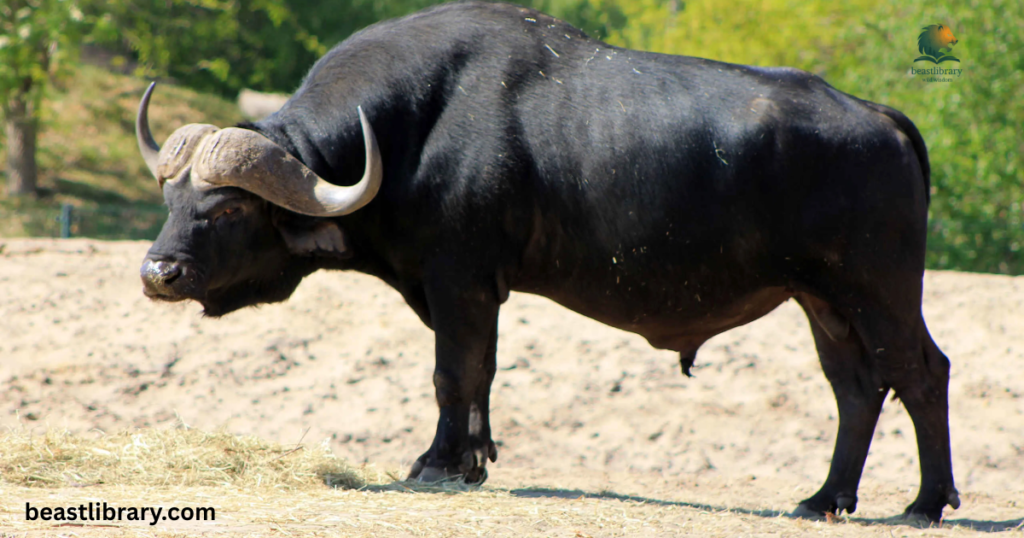
The African buffalo is a strong stubborn grazer and the most tough horned animal that live in savannas. It occurs throughout sub- Saharan Africa in the grasslands, floodplains, as well as the open woodlands. Buffalo relies on water and hardly goes far out of reach of assured sources.
They drink a lot of water and exist in massive herds containing dozens and hundreds of them. The life in the herd provides safety against predators. Lions are their main threat. Buffalo are hooved animal tend to protect themselves when they are attacked in a group.
In the wet season they feed on new vegetation. During the dry season they turn to the grimmer grasses along the water. African buffalo affect the growth of grass by constant grazing. Their presence promotes the ecosystem equilibrium of savanna on the continent.
Fun Fact: African buffalo are known to defend herd members by circling back to confront predators.
8. Warthogs
Scientific Name: Phacochoerus africanus
Class: Mammalia
Diet: Omnivore
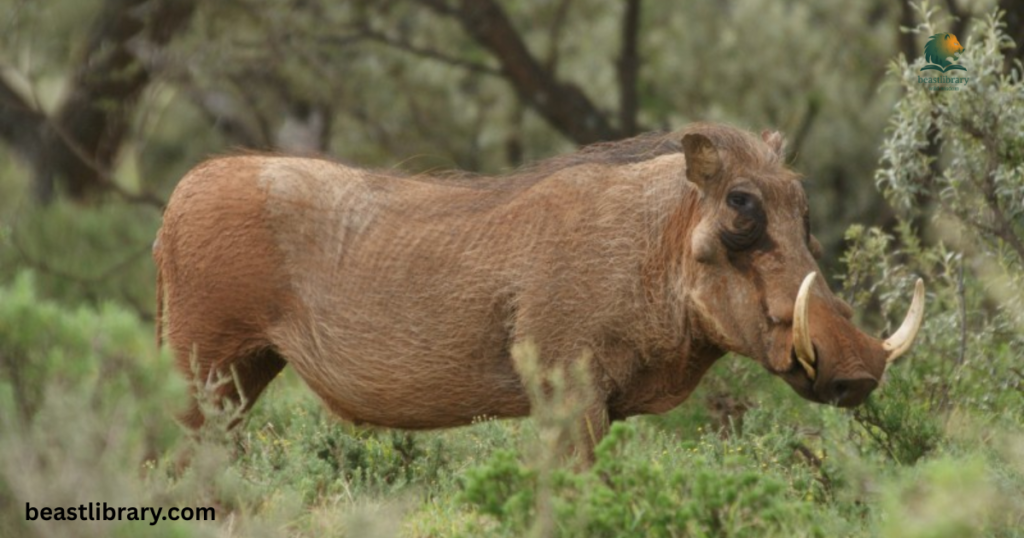
The warthog is a hardy pig species and a familiar sight among animals that live in savannas. It resides on ill-wooded open grass fields in much of sub-Saharan Africa. Warthogs like areas that have burrows and water.
They are medium-sized mammals having curved tusks and pads on the face. During grazing they are on their front knees. In dry seasons they bore roots and bulbs. In walking they frequently support themselves in so tusks outward.
Their main defense is speed. They are horned animals and able to move fast with the tails in the upright position and this enables the members of the group not to be invisible. They are significant providers of savanna biodiversity and structure.
Fun Fact: Warthogs enter burrows backward so their tusks face outward for protection.
9. Ostrich
Scientific Name: Struthio camelus
Class: Aves
Diet: Omnivore
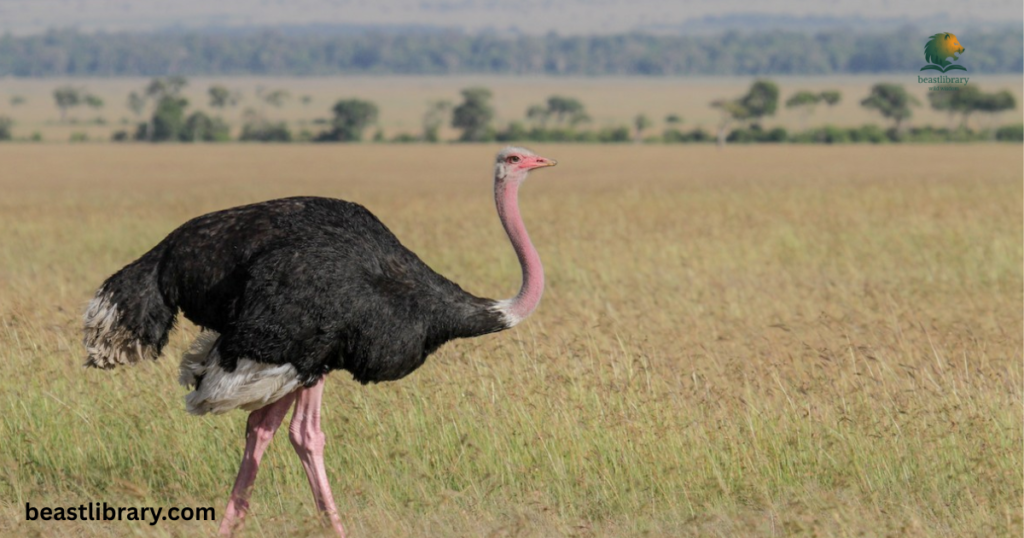
The ostrich is the largest clumsy living bird and the fastest animals that live in savannas. It inhabits desolate grasslands, half-arid regions, and free plains of the continent of Africa. Ostriches like having open areas where they can see well.
They cannot fly. They instead use powerful legs to move. An ostrich is able to run at a speed of 70 kilometers per hour. Extensive walking gives us the possibility of walking on open land. Ostriches are seed eaters, grass eaters, leaf eaters and insect eaters.
They are not left alone, supervision is done by adults. In savannas, Ostriches affect seed dispersal. They, by eating the seeds and excretion, enable regeneration to happen. They have long neck and provide variety in the open grassland ecosystems.
Fun Fact: An ostrich egg is the largest egg laid by any living bird species.
10. Meerkat
Scientific Name: Suricata suricatta
Class: Mammalia
Diet: Insectivore
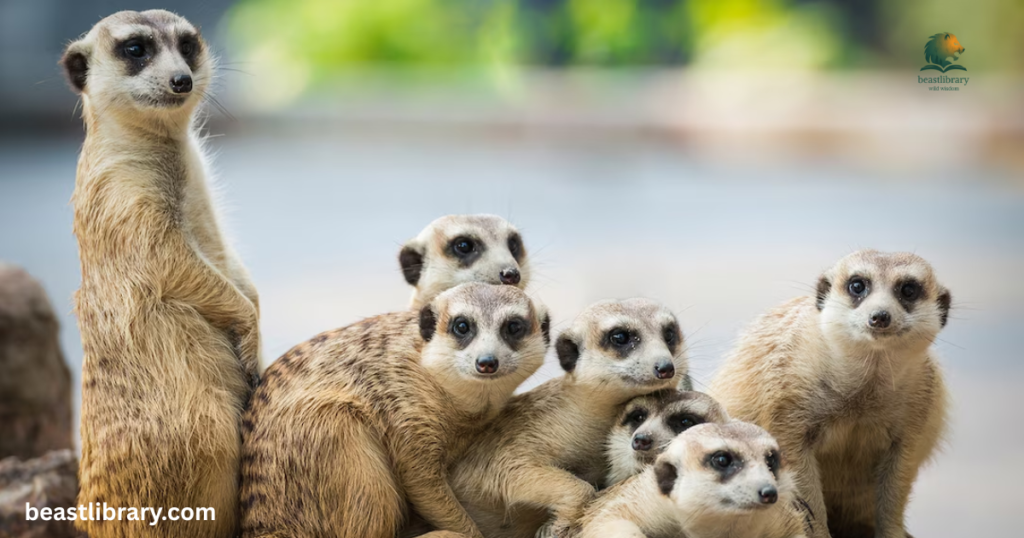
The meerkat is a skinny small social mammal and the most cooperative animals that live in savannas. It is indigenous to the southern part of Africa and in particular Botswana, Namibia as well as South Africa.
As the rest of the foraging meerkats, a single meerkat is on watch. The sentinel is observant of danger like hawks or jackals. When danger threatens it gives a severe alarm signal. Meerkats are active during the day period.
They take their breakfast in the morning sun, and then go out to seek food. The breeding of the pups occurs underground and lasts several weeks. The elders of the group feed and protect them.
Fun Fact: Meerkats take turns acting as sentinels to warn the group of approaching danger.
11. Serval
Scientific Name: Leptailurus serval
Class: Mammalia
Diet: Carnivore
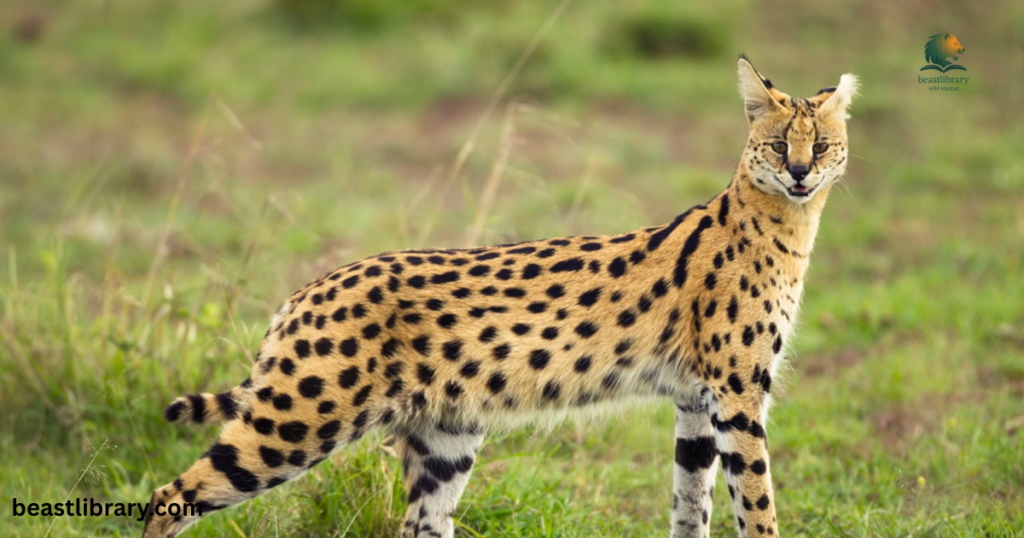
The serval is a medium-sized wild spotted cat and the skilled hunters among animals that live in savannas. It is distributed in areas of sub-Saharan Africa in the grassland and wetland of tall vegetation.
Servals are big eared with long legs. Their audition is of the finest order. They have the ability to spot small prey that run underground. Through this, they have an advantage over tall grass. They mostly feed on rodents.
They also feed on birds, frogs and insects. The best hunting grounds lie in wet savannas. Servals are solitary. They are scent-marking, and do not come too nearby unless they are copulating. Mostly night time or early morning.
Fun Fact: A serval can leap over two meters into the air to catch birds in flight.
12. Secretary Bird
Scientific Name: Sagittarius serpentarius
Class: Aves
Diet: Carnivore
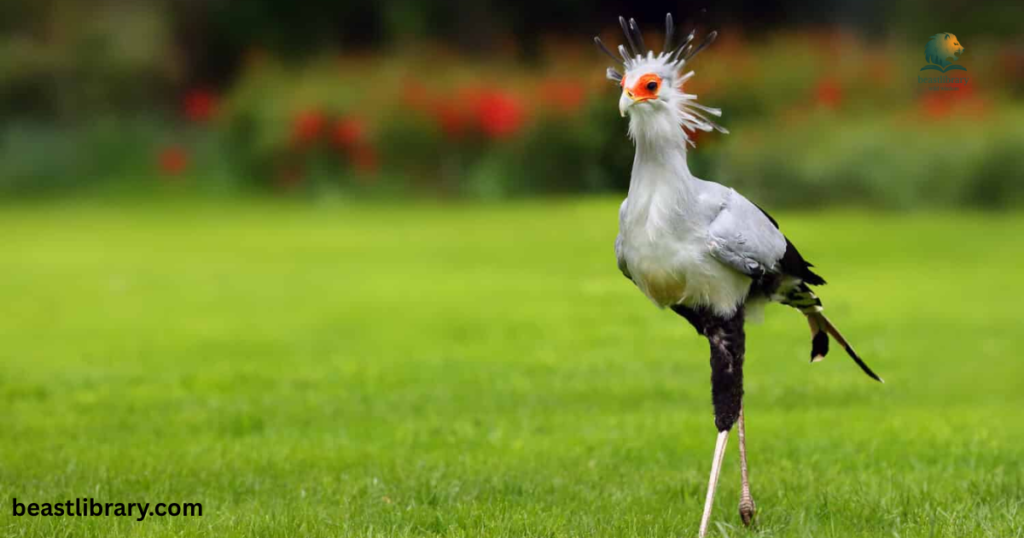
The secretary bird is a large terrestrial bird of prey and the most unusual animals that live in savannas. It lives in open grasslands and slight wooded plains in sub-Saharan Africa. It does not hunt birds like other raptors which are hunters who fly.
The legs are long, which enables it to walk on grass steadily. It forages snakes, lizards, insects and little mammals. Snakes constitute a large portion of its food. The secretary bird attacks its food through stamping with heavy feet.
Secretary birds nest in large nests of trees or shrubs. It is common to see a pair staying together in multiple breeding seasons. Both parents care for chicks. They have great eyesight that makes them notice prey at a long distance. They can fly when in danger also like walking or running.
Fun Fact: The secretary bird kills snakes by striking them repeatedly with powerful kicks.
13. Impala– Animals That Live In Savannas
Scientific Name: Aepyceros melampus
Class: Mammalia
Diet: Herbivore
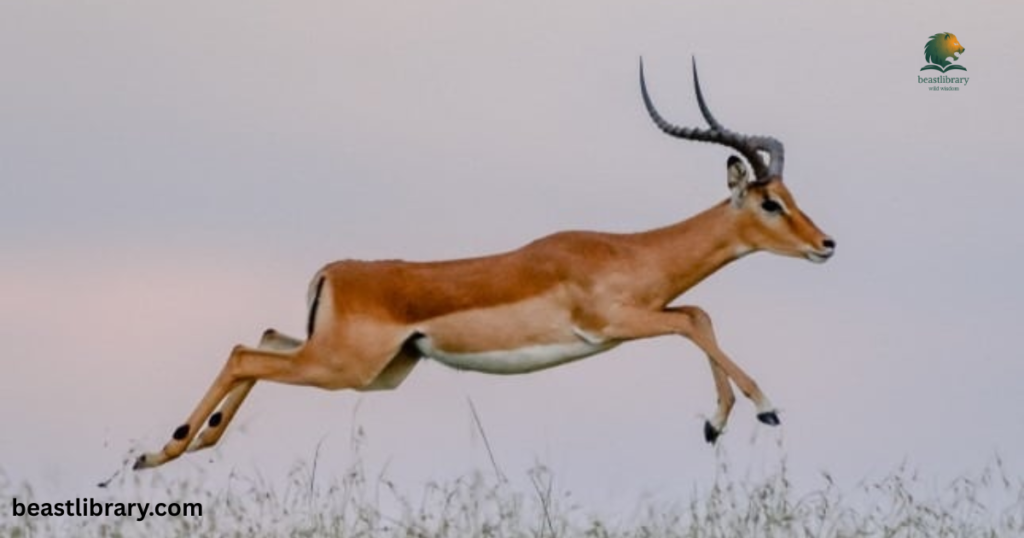
The impala is a medium sized antelope and the most adaptable animals that live in savannas. It happens extensively in the eastern and southern parts of Africa in grasslands and open woodlands around water.
Impalas are mixed feeders. In the wet season they feed on the fresh grass. Browning on leaves, shoots, and shrubs in the dry season. They subsidize the populations of large carnivores in the savannas. Their grazing and browsing also affected the structure and growth of plants.
Fun Fact: Impalas can leap over 10 meters in a single bound when escaping predators.
14. Nile Crocodile
Scientific Name: Crocodylus niloticus
Class: Reptilia
Diet: Carnivore
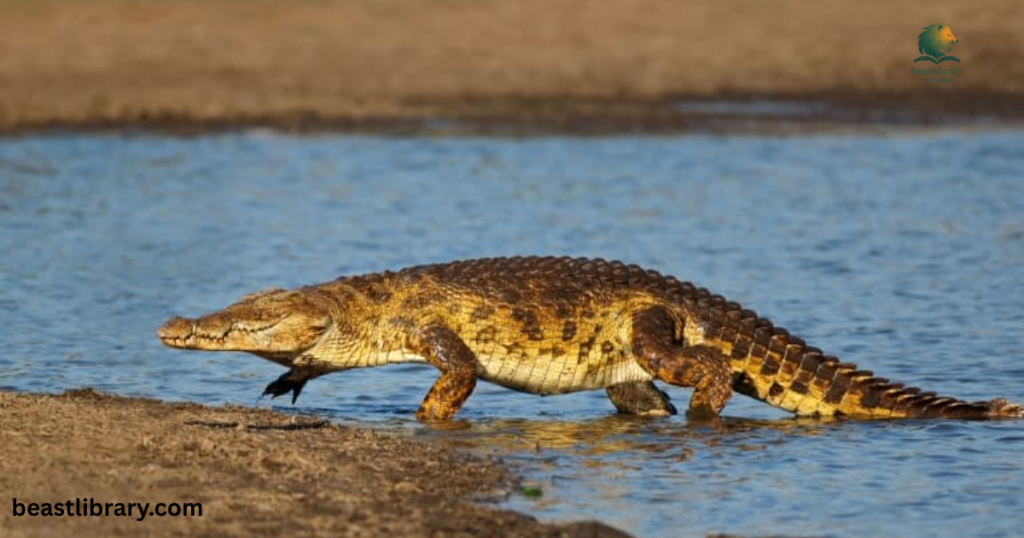
The Nile crocodile is a large aquatic reptile African savanna animal list member that thrives in sub-Saharan rivers and wetlands. It often shares territory with creatures like the baboon a well-known omnivore in savanna habitats creating a dangerous overlap where land meets water.
They protect the nest when the nest is incubating. Once hatched the young may be suckled in the mouth of the mother to water. The birds and bigger fishes threaten young crocodiles. Few survive to adulthood. It has long flat tail.
The Nile crocodile generates a significance in the water ecosystems. It controls the population of fish and mammals around the water bodies. It is an integral element of savanna river systems though feared, it helps to bring appreciated ecologically balanced landscapes.
Fun Fact: Nile crocodiles can hold their breath underwater for over an hour while waiting for prey.
15. Aardvark
Scientific Name: Orycteropus afer
Class: Mammalia
Diet: Insectivore
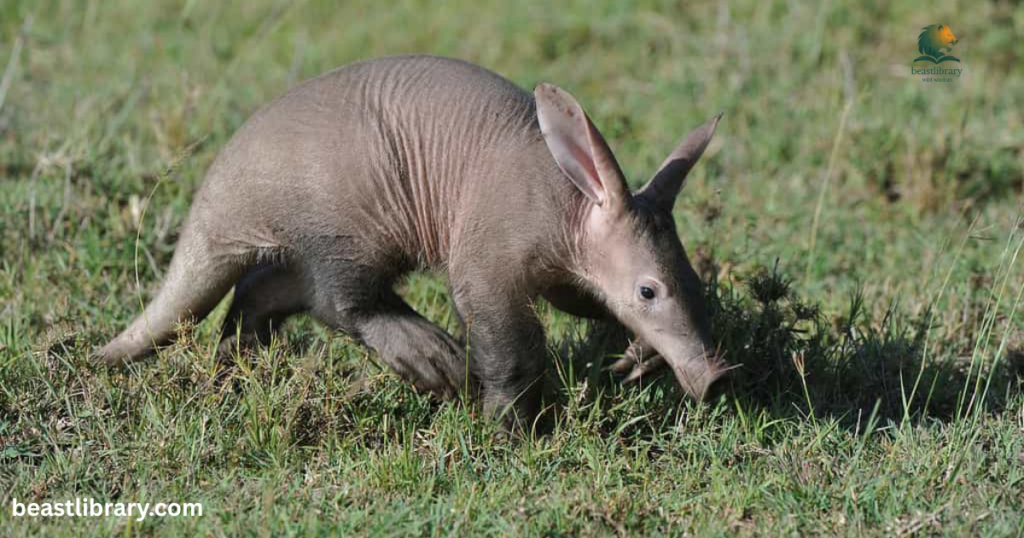
The aardvark is a nocturnal mammal species that inhabits the savanna grasslands of sub-Saharan Africa. This savannah animal uses its long, sticky tongue to feed on insects in areas where it can easily dig.
Aardvarks are small ear solitary. In the daytime they keep in deep burrows underground. By night they come to browse through extensive territories. These holes offer protection against heat and enemies. Examples of predators are lions, leopards and hyenas.
Their excavations also loosen soil and enhance mixing of nutrients. The aardvark, though uncommon, has a low maintenance role in the savanna and therefore promotes biodiversity due to its feeding and burrowing habits unique to it.
Fun Fact: Aardvarks can dig a new burrow in less than a night if threatened.
Other Savannas Animals
Beyond the well-known wildlife, a diverse network of lesser-known species maintains the savanna’s ecological balance. Small predators like bat-eared foxes and jackals control insect and small animal populations.
The sky and ground are managed by birds like hornbills, bee-eaters alongside reptiles and toads that stabilize the food pyramid. These share the ecosystem with creatures like the baboon a resourceful omnivore in savannah habitats all working together control insect populations.
Conclusion:
Animals that live in savannas are deeply connected to ecosystems where every creature from giant elephants to tiny insects plays a vital role in keeping nature in balance. Today, these critical wild lands face growing threats from human expansion.
FAQs:
What Animals live in Savanna?
Savannas are grassy ecosystems (mostly in Africa, but also in parts of South America, Australia, and India) with scattered trees. They are famous for their rich wildlife, especially large mammals and predators.
What is the fastest Animal at the Savanna?
The fastest animal in the savanna is the Cheetah. It can reach speeds of up to 100–120 km/h (60–75 mph).It is the fastest land animal in the world.
What is the biggest Savannah Animal?
The biggest animal in the savanna is the African Elephant. It’s height is about 3–4 meters (10–13 feet) at the shoulder. It is around 5,000–7,000 kg (5–7 tons)heavy. It is the largest land animal on Earth.