Top 12 Animals That Eat Honey: Class & Images
Animals that eat honey use unique skills to find and enjoy this natural sweet treat. Honey is not only a delicious food for humans but also an important source of energy for many animals in nature. By studying honey eating animals also helps us understand the ecological importance of bees and honey in the natural world.
List of Animals That Eat Honey
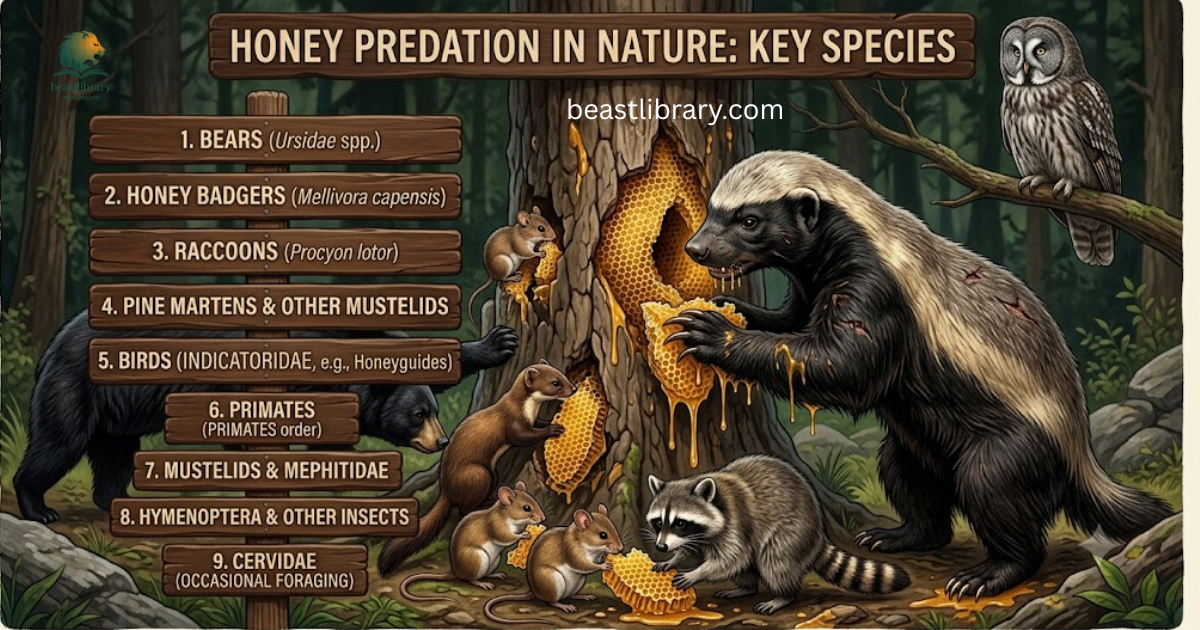
Below is the list of honey eating animals:
- Honeyguides
- Bees
- Honey Badgers
- Honey Ants
- Chimpanzees
- Bears
- Skunks
- Martens
- Small Hive Beetles
- Honey Buzzards
- Raccoons
- Flies
1- Honeyguides
Scientific name: Indicator indicator
Class: Aves
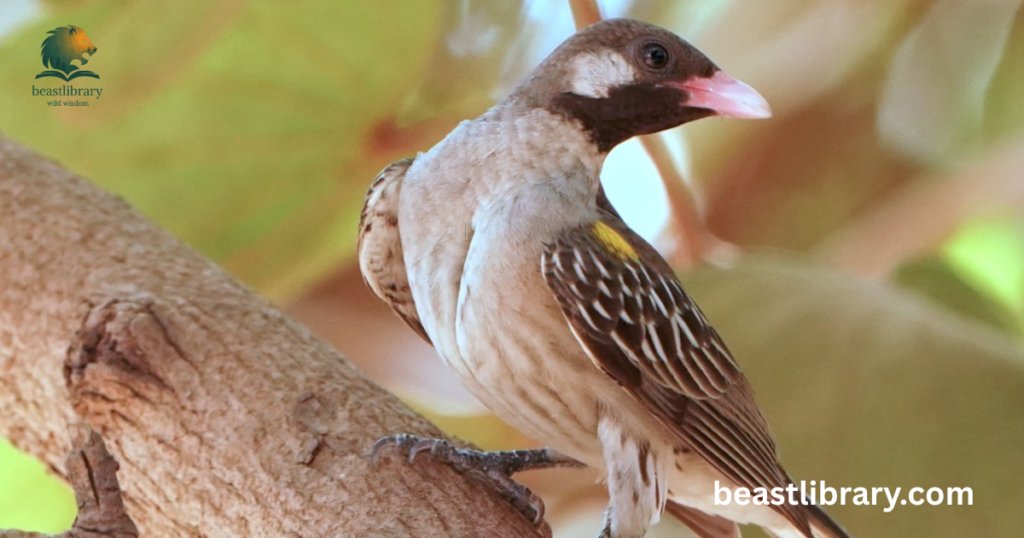
Honeyguides are known for their unique relationship with honeybees. These birds have a remarkable ability to locate bee nests and lead larger mammals, like honey badgers or even humans, directly to their sweet treasure.
After the hive is opened, the honeyguides enjoy eating leftover wax and bee larvae. They can use special calls to communicate and guide their partners showing clever cooperative behavior in nature.
2- Bees
Class: Insecta
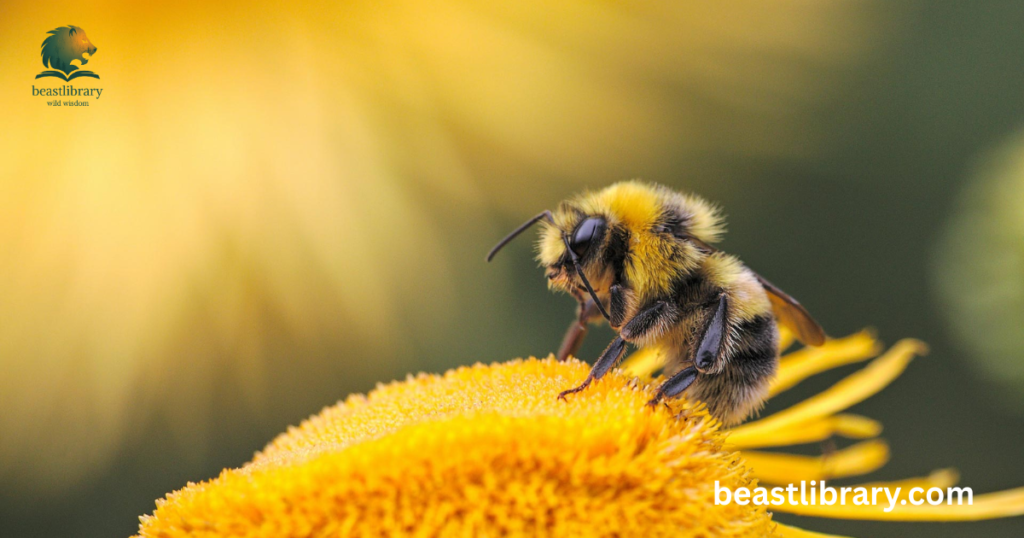
Bees are important for ecosystem as important pollinators. During cold winter, they collect nectar from flowers and convert it into honey, which gives them energy. Bees are grumpy animals of Africa and also use a unique dance to show other bees where flowers can be found.
In the bee hive, sharing honey helps create strong friendships among the bees. This teamwork is crucial for their survival and shows how important bees are for keeping nature in balance. Honey bee is consider as hard working animal of earth.
3- Honey Badger
Scientific name: Mellivora capensis
Class: Mammalia
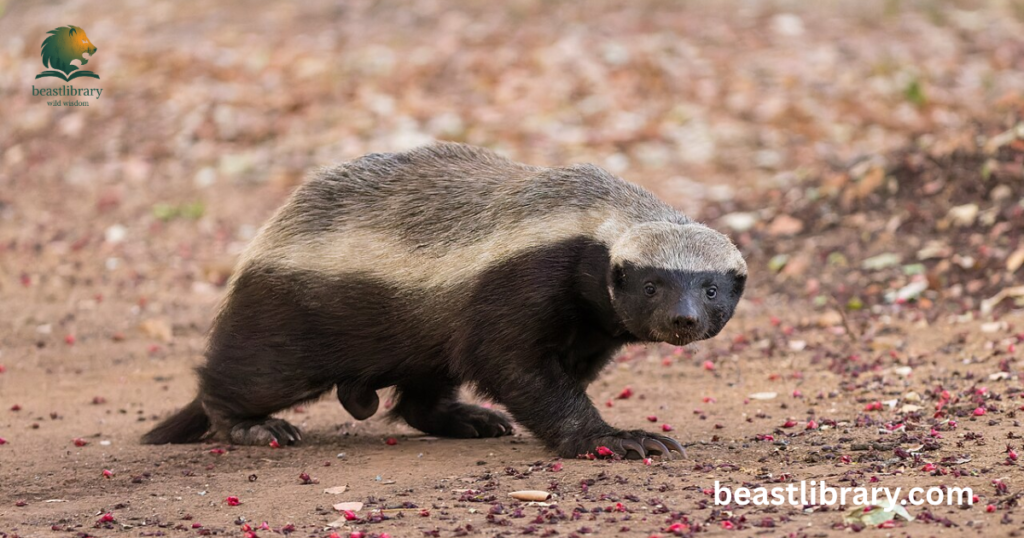
Honey badger is fearless grumpy animal famous for raiding bee nests to eat honey, bee larvae, and wax. It is thickest skin animal that protects it from bee stings and allowing them to attack hives without hesitation. They are consider as greedy animal of earth.
This strong and clever animal use honey as an important food source, showing its excellent survival skills in the wild. Because of its unique approach to foraging makes it stand out in the wild. They are sharp claws animal of wild.
4- Honey Ants
Scientific name: Myrmecocystus mexicanus
Class: Insecta
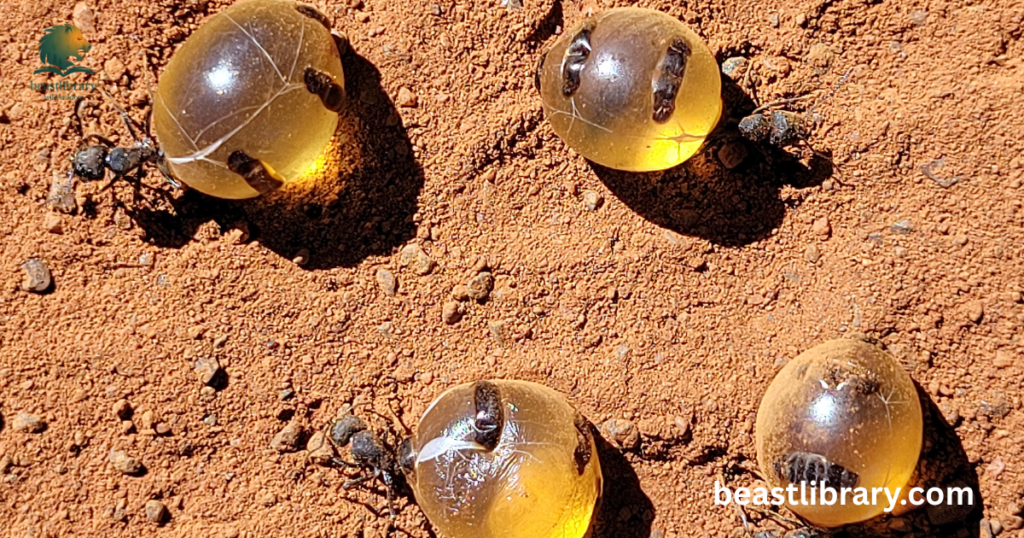
These are special ants known for their amazing ability to store food. They live in dry areas like Australia and parts of the American Southwest. In these colonies, some worker ants store sweet liquid in their bodies and act like “living storage tanks”. They are hard working animal.
This stored food helps the colony survive when there is little food available, especially during dry period. Other ants can take this stored honey-like liquid when needed, making it an important shared food source for the whole group.
5- Chimpanzees
Scientific name: Pan troglodytes
Class: Mammalia
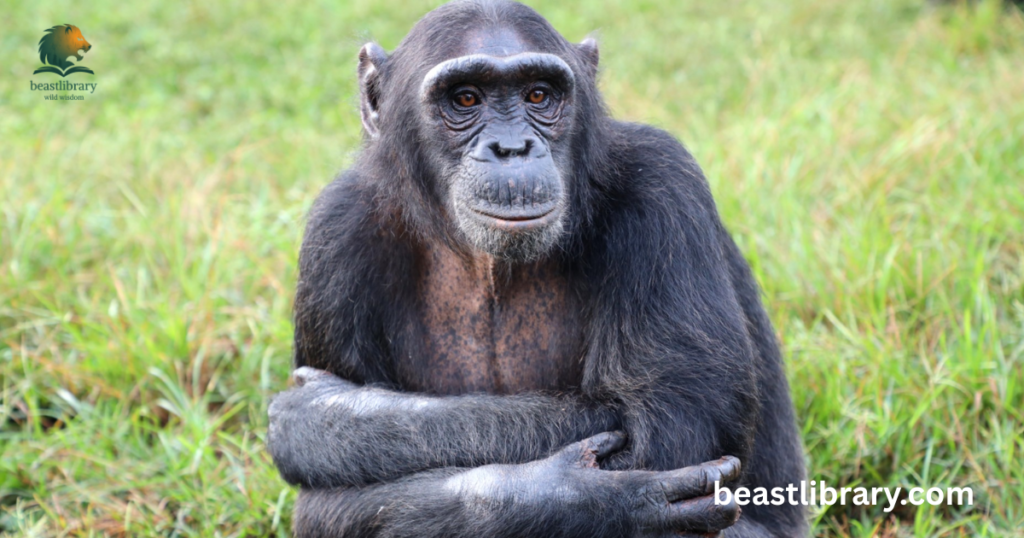
Chimpanzees are most energetic and intelligent animals that use sticks to get honey from bee nests. Different groups even have their own techniques for finding honey, which they learn from each other. They are greedy animals on earth.
Honey is an important high energy food for them, especially when other food is not available. They often hunt for honey in groups, which also strengthen their social bonds and cooperation. It is unique animal that eat monkeys in wild.
6- Bears
Scientific name: Ursus arctos
Class: Mammalia
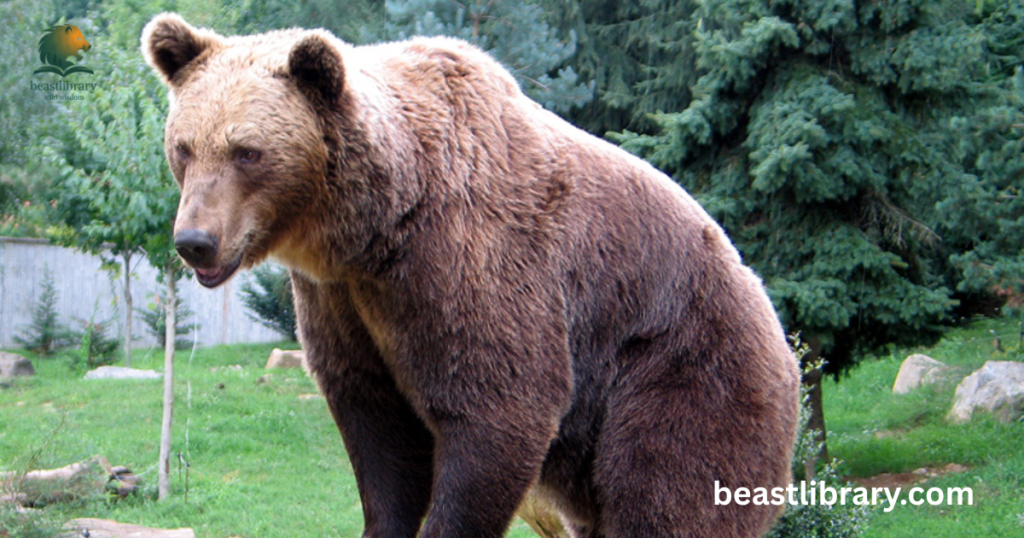
Which animal likes honey? Bear is one of the wild which animal like honey. They use their powerful sense of smell to locate honey from far away and have claws for breaking hives. Honey is a rich source of calories, especially during active seasons like spring and summer.
Bears are also smart animals and can remember the locations of good food sources, returning to them when needed. Bear eat honey which helps them and supports the ecosystem by promoting plant growth and spreading seeds. They also love to eat oranges.
7- Skunks- Animals That Eat Honey
Scientific name: Mephitis mephitis
Class: Mammalia
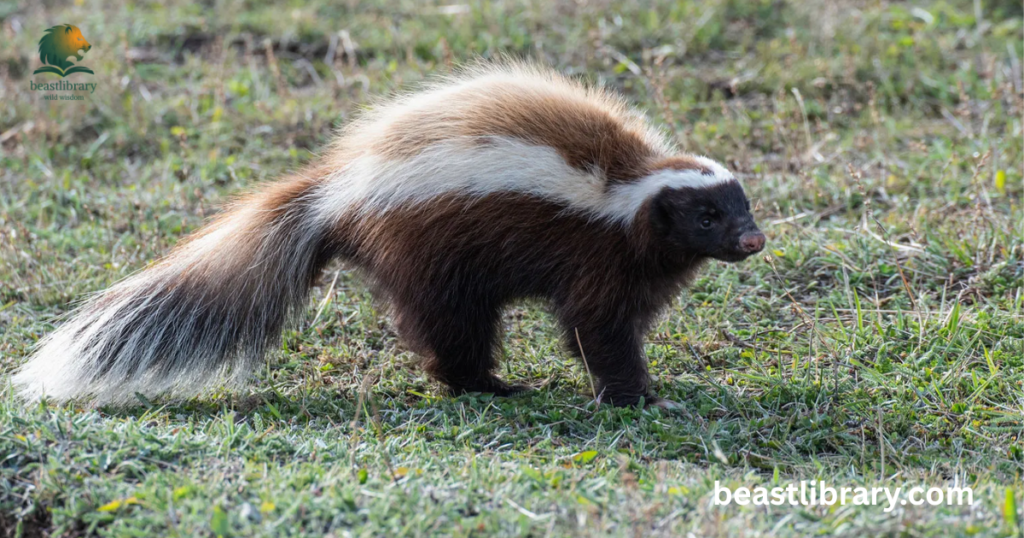
Skunks are one of the many honey eating animals that enjoy sweet foods from nature. Skunks feed on honey when they find beehives. They are good at finding beehives and often raid them for this sweet food. They are animals with stripes on earth.
These animals that eat honey search for food mostly at night and can break into hives to eat honey along with bee larvae. Their love for honey gives them a lot of energy, making them clever foragers in their search for food.
8- Martens
Scientific name: Martes martes
Class: Mammalia
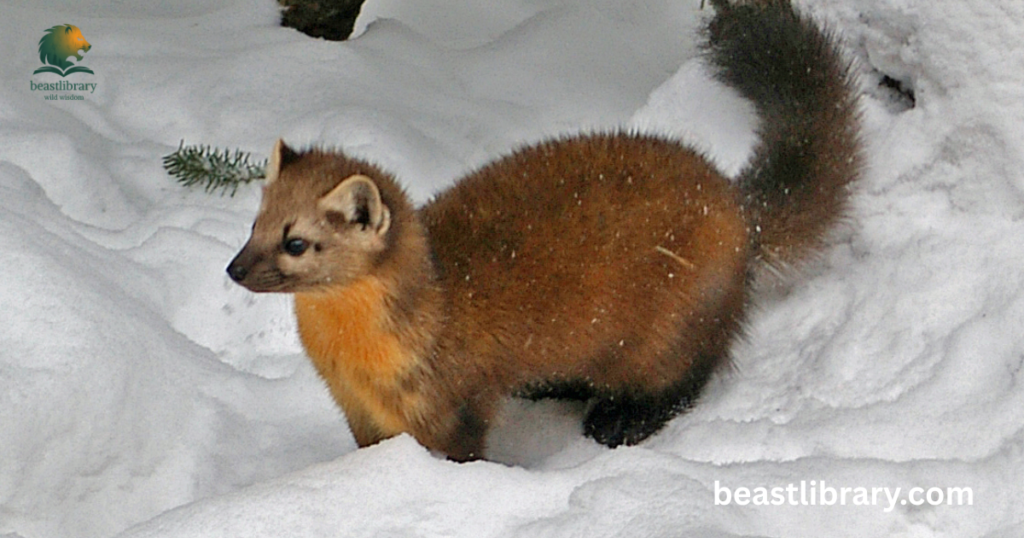
Martens are Animals Like Mongoose, have a surprising liking for honey. They primarily hunt small mammals and birds, their sweet tooth leads them to raid beehives, showcasing their resourcefulness and courage.
They not only consume honey for energy benefits but also target the protein-packed bee larvae hidden within the combs. Their ability to access high-altitude hives speaks volumes about their physical quickness.
9- Small Hive Beetles
Scientific name: Aethina tumida
Class: Insecta
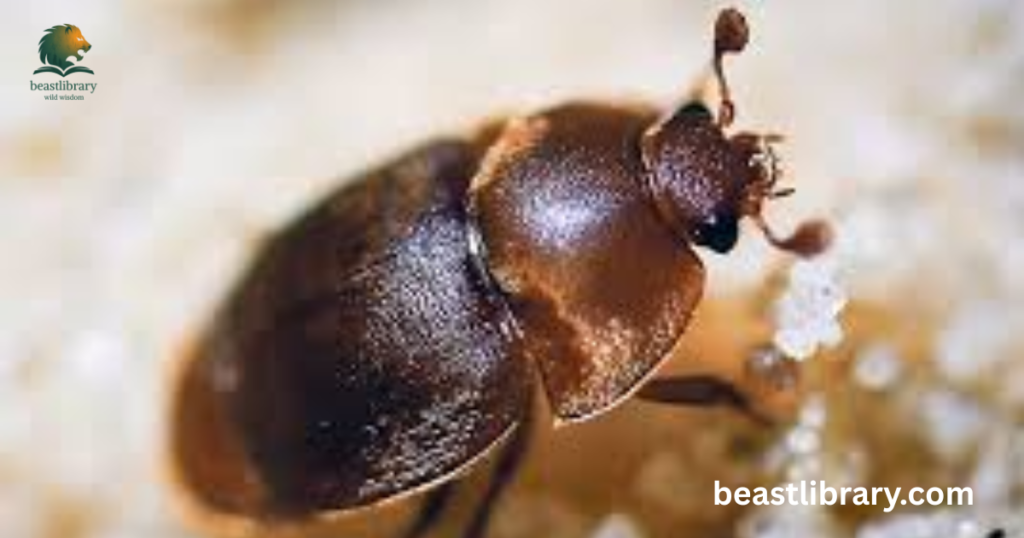
Small hive beetles are native to Africa but now found across various parts of the world. For instance, small hive beetles can help control the population of bacteria and other pathogens in hives. These beetles have evolved specialized behaviors to grow well in honeybee colonies.
As small hive beetle larvae consume remaining honey and other organic matter, they contribute to the natural recycling process, ensuring that not a drop of sweetness goes to waste in the ecosystem.
10- Honey Buzzards
Scientific name: Pernis apivorus
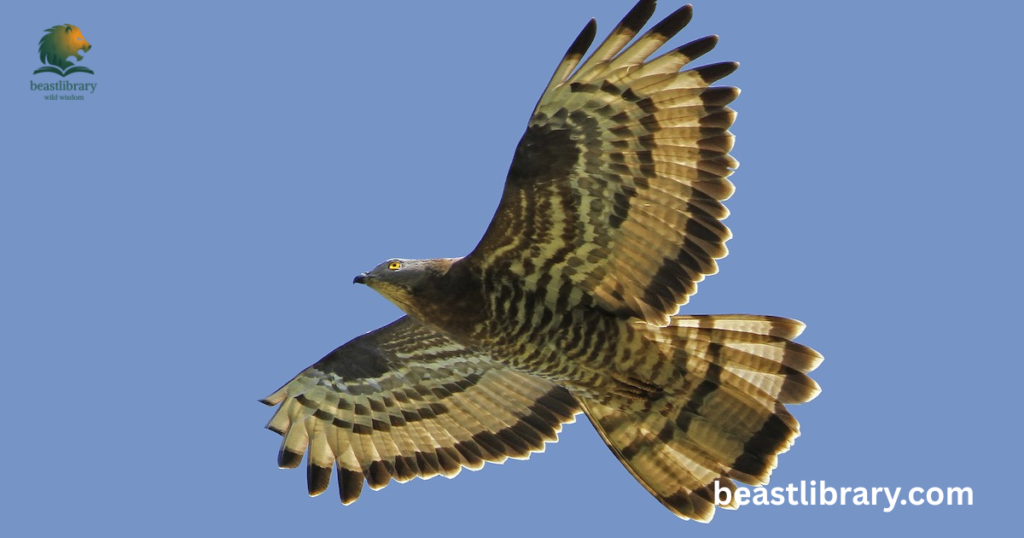
Class: Aves
Honey buzzards are raptors that have a special habit of eating honey. They can find bee nests using their sharp eyesight and hunting skills. They use their strong feet and claws to break into hives. They mainly eat honey, bee larvae, and honeycomb which give them energy and protein.
This diet helps them survive in different regions like Europe, Asia, and Africa. Their feathers also help protect them from bee stings, making it easier for them to feed on hives safely. This behavior shows how well honey buzzards are adapted to their environment.
11- Raccoons
Scientific name: Procyon lotor
Class: Mammalia
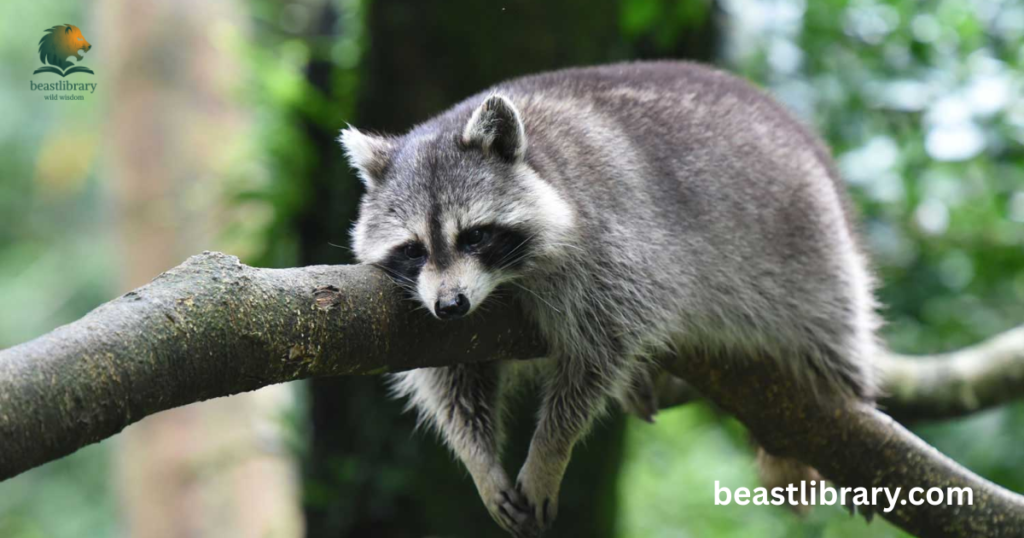
Raccoons are smart animals with strong front paws and a lot of curiosity. They are good at searching food and sometimes raid beehives to get honey. They use their hands carefully to take honey from the comb while avoiding bee stings. They are also oranges eating animals.
Honey gives them sugar and energy, which helps them during their night time activities. For raccoons, finding honey is not just about eating it is also part of their playful and clever way of searching for food. They are animals like mongoose.
12- Flies
Scientific name: Musca domestica
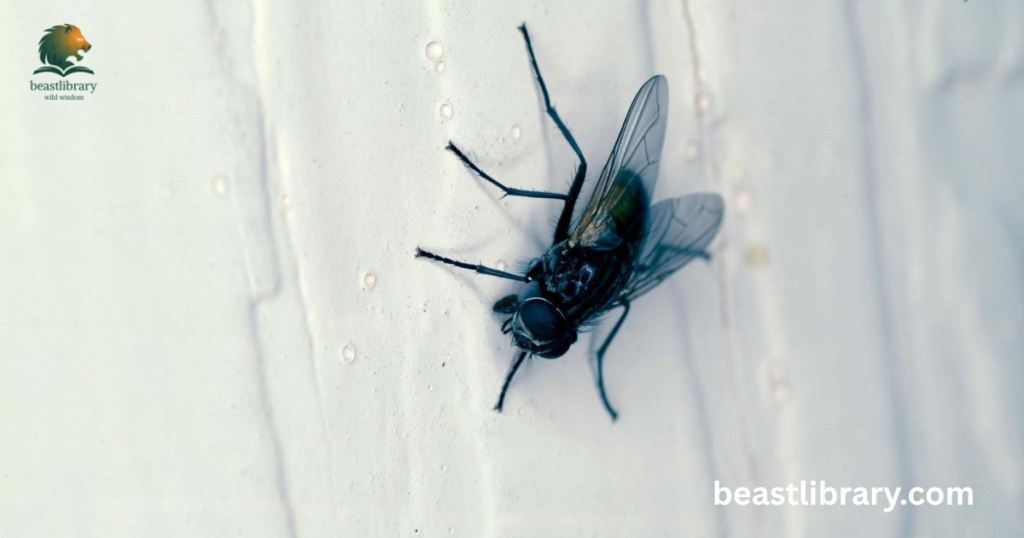
Flies are attracted to sweet foods like honey because sugar gives them quick energy to fly. So, people occasionally say that it’s easier to catch flies with honey than with vinegar.
Even though flies are drawn to honey, eating honey doesn’t always go well for them. Research highlights that a high sugar diet can significantly shorten a fly’s lifespan. On top of that, if a fly is not careful, it could get stuck in honey as it feeds, which could be deadly to the fly.
Conclusion- Animals That Eat Honey
Animals That Eat Honey shows how all living things in nature are connected. Each animal, like bees and raccoons, has its own role in keeping nature balanced. If we stop destroying natural habitats and take care of the environment, honey eating animals can continue to survive and find food like honey.
FAQs
Which animal likes to eat honey?
Animals like bears, raccoons, and honey buzzards enjoy eating honey.
Some insects like flies and other small creatures are also attracted to its sweetness.
What animal is known of its love for honey?
The honey eating animal is the bear, especially the brown bear and American black bear. They often raid beehives to eat honey, bee larvae, and comb.