Top 20 Unique Animals With Long Tail (With Pictures) 2026
Animals With Long Tail can deepen our appreciation for the biodiversity that surrounds us and inspire conservation efforts. Get ready to discover the surprising roles that long tailed animal’s tails play in the animal kingdom.
List of Animals With Long Tail
Below is the list of animals that have long tail:
- Snow Leopard
- Spider Monkey
- Giraffe
- Giant Anteater
- Ring-tailed Lemur
- Red Kangaroo
- Thresher Shark
- Ring-tailed coatis
- Black-and-White Ruffed Lemur
- Clouded Leopard
- Long-Tailed Grass Lizard
- Cheetah
- Angola Colobus
- Chameleon
- Jerboas
- Tree Kangaroo
- Pangolin
- Squirrel
- Leopard Whipray
- Howler Monkey
1. Snow Leopard
Scientific Name: Panthera uncia
Class: Mammalia
Diet: Carnivore
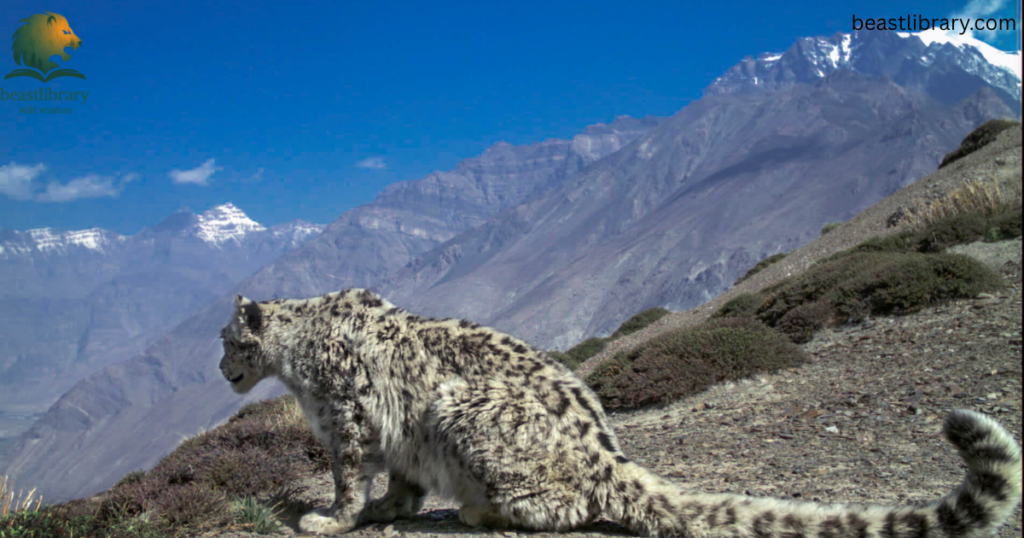
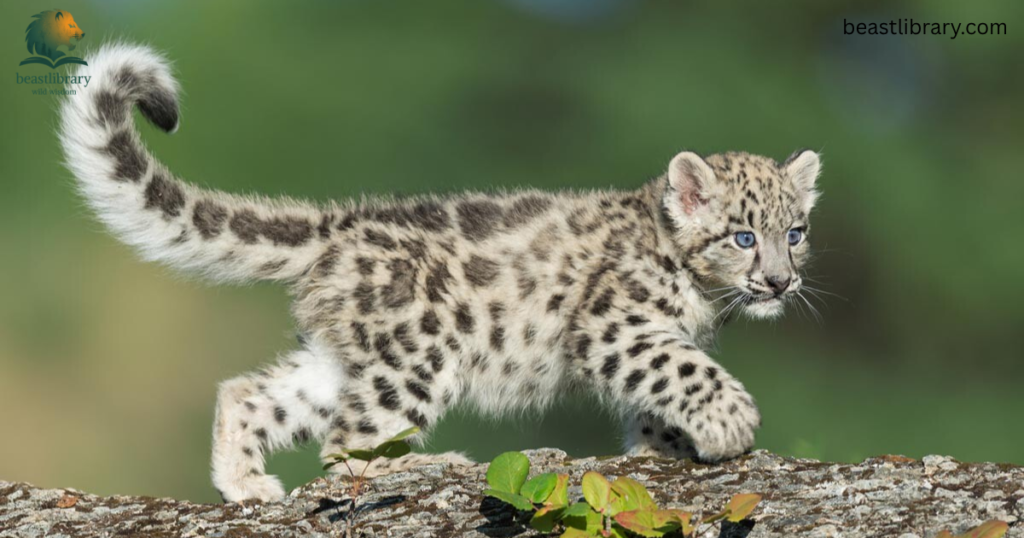
The snow leopard, renowned for its stunning beauty, boasts a long, thick tail that extends up to three feet. This remarkable appendage is not just for display; it serves multiple practical purposes in the rugged, mountainous terrains of Central and South Asia.
As these elusive cats traverse rocky landscapes, their tails aid in balance, acting as a counterweight that helps them navigate steep cliffs with grace. Moreover, the snow leopard often wraps its tail around its body for warmth during harsh, frigid nights, showcasing its ability to adapt to extreme conditions.
2. Spider Monkey
Scientific Name: Ateles
Class: Mammalia
Diet: Frugivore/Omnivore
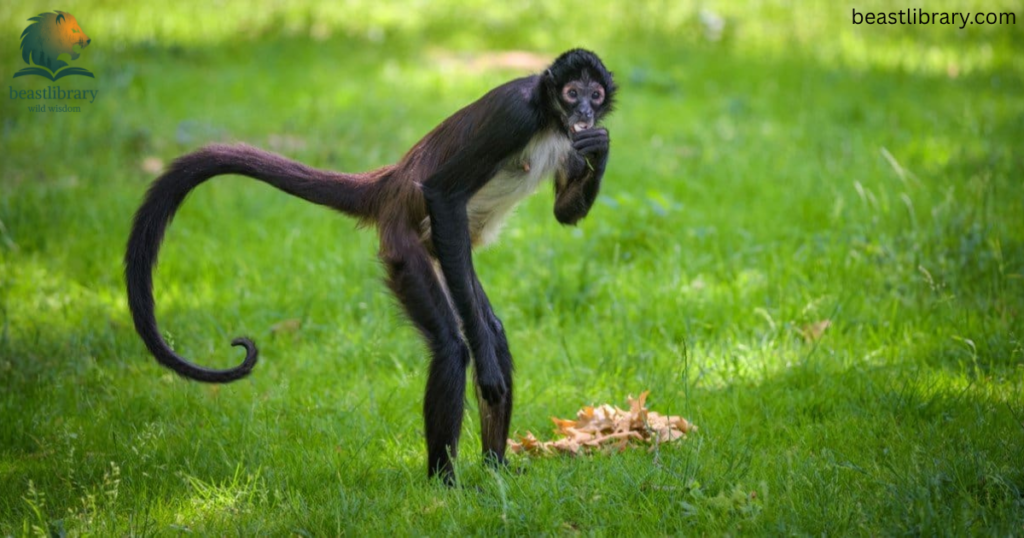
The spider monkey, with its remarkable prehensile tail, is a stunning example of evolution’s ingenuity. This agile creature has adapted to life in the treetops of Central and South America, where its tail acts as a fifth limb, enhancing its ability to swing through the canopy.
But beyond mere functionality, Animals With Long Tail the spider monkey’s long tail carries social significance, too. These primates live in complex matriarchal groups, where communication is vital.
3. Giraffe
Scientific Name: Giraffa camelopardalis
Class: Mammalia
Diet: Herbivore
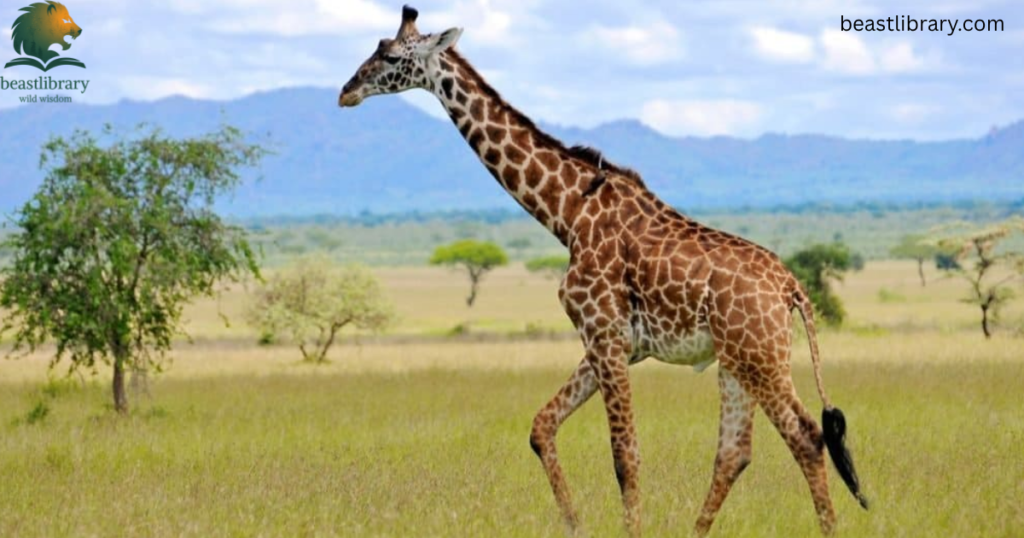
The giraffe’s long, elegant tail isn’t merely a decorative feature; it’s a vital tool for communication and personal hygiene. The tail, typically about three feet long, swishes away pesky flies and insects, helping the giraffe maintain its comfort in the wild.
Animals With Long Tail, the tail’s length contrasts strikingly with the giraffe’s towering neck and legs, creating a captivating silhouette against the African savanna. Often overlooked, this appendage offers a fascinating glimpse into the giraffe’s evolutionary adaptations.
4. Giant Anteater
Scientific Name: Myrmecophaga tridactyla
Class: Mammalia
Diet: Insectivore
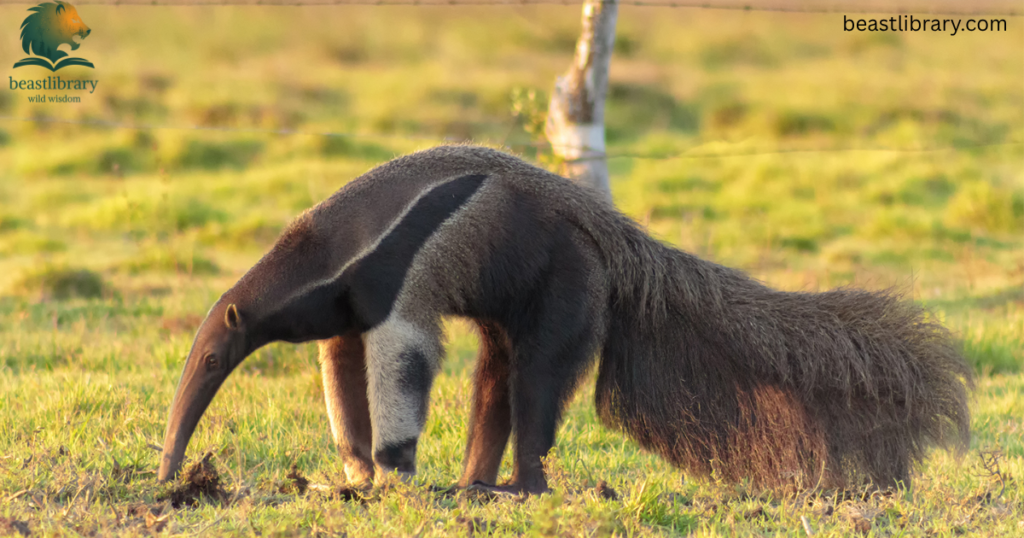
The giant anteater, Animals With Long Tail known for its distinctive elongated snout and remarkable long tail, is a fascinating creature that combines elegance and utility. Utilizing its tail as a balancing tool, the anteater deftly navigates the dense underbrush of its South American habitat.
Beyond its practical functions, the giant anteater’s lengthy tail adds to its charismatic appearance. This creature moves with a grace that belies its size, often seen strolling through its territory in search of ants and termites, which are its primary diet.
5. Ring-tailed Lemur
Scientific Name: Lemur catta
Class: Mammalia
Diet: Omnivore
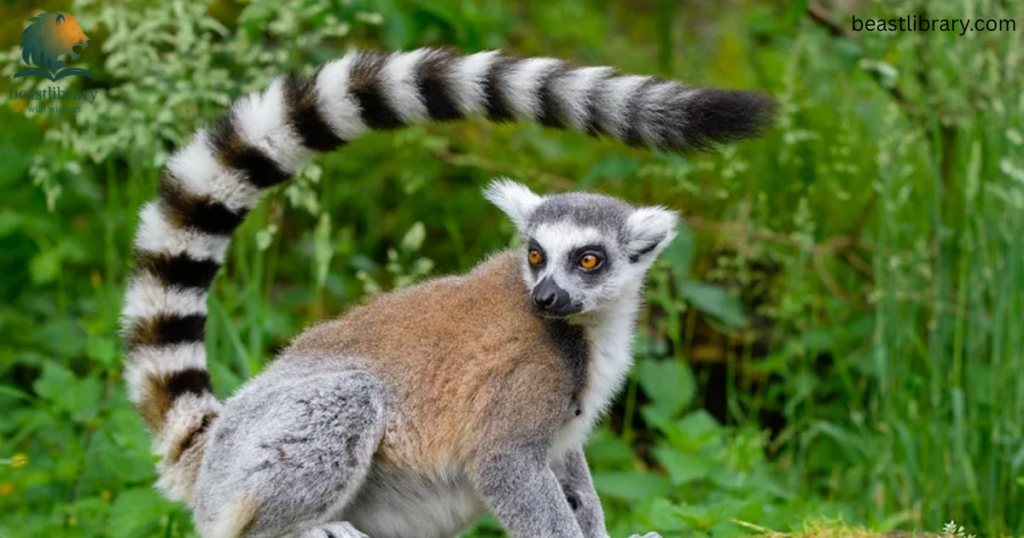
The ring-tailed lemur, with its striking black and white ring-patterned tail, Animals With Long Tail is a remarkable embodiment of uniqueness in the animal kingdom. These primates, native to Madagascar, rely heavily on their tails for balance and communication within their social groups.
The tail, often longer than their body, serves not only as a stabilizer when leaping between branches but also as a vibrant visual signal in the dense forests they inhabit. This flamboyant appendage acts as a herald, ensuring cohesion among their troops, especially when navigating through treetops.
6. Red Kangaroo
Scientific Name: Macropus rufus
Class: Mammalia
Diet: Herbivore
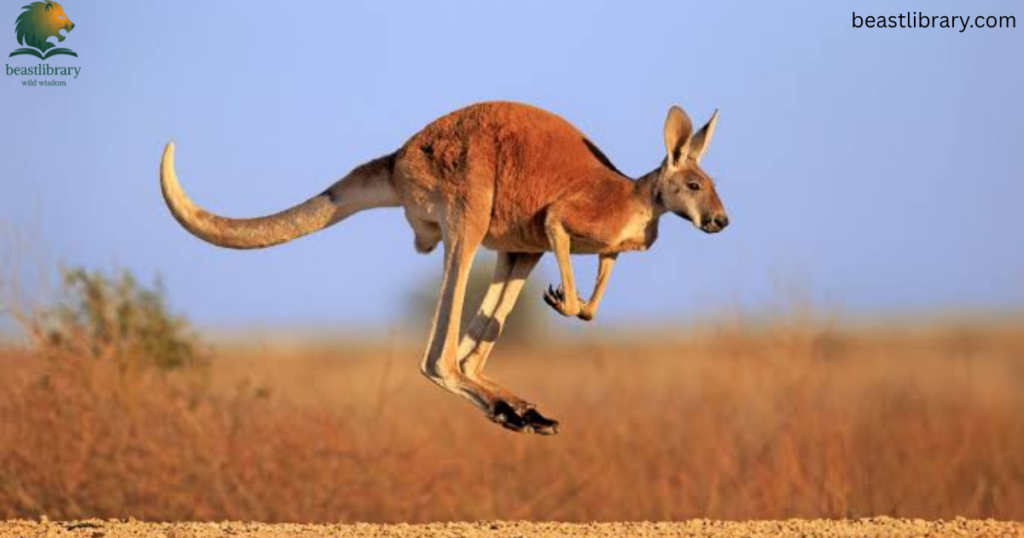
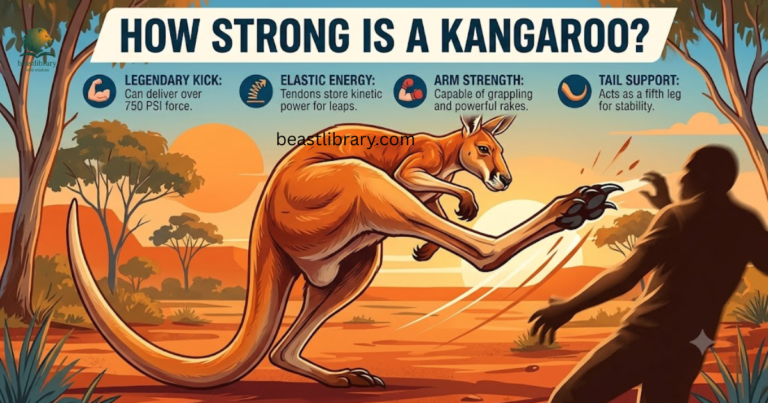
The red kangaroo, an iconic symbol of Australia’s outback, showcases its long tail as a vital tool for balance and mobility. Stretching up to a meter in length, this robust tail acts almost like a third leg, providing stability while the kangaroo hops at remarkable speeds of up to 35 miles per hour.
Each powerful leap not only demonstrates athleticism but also conserves energy, making the most of the expansive terrain they traverse. It is also included in Animals With Long Tail.
7. Thresher Shark
Scientific Name: Alopias
Class: Chondrichthyes
Diet: Carnivore
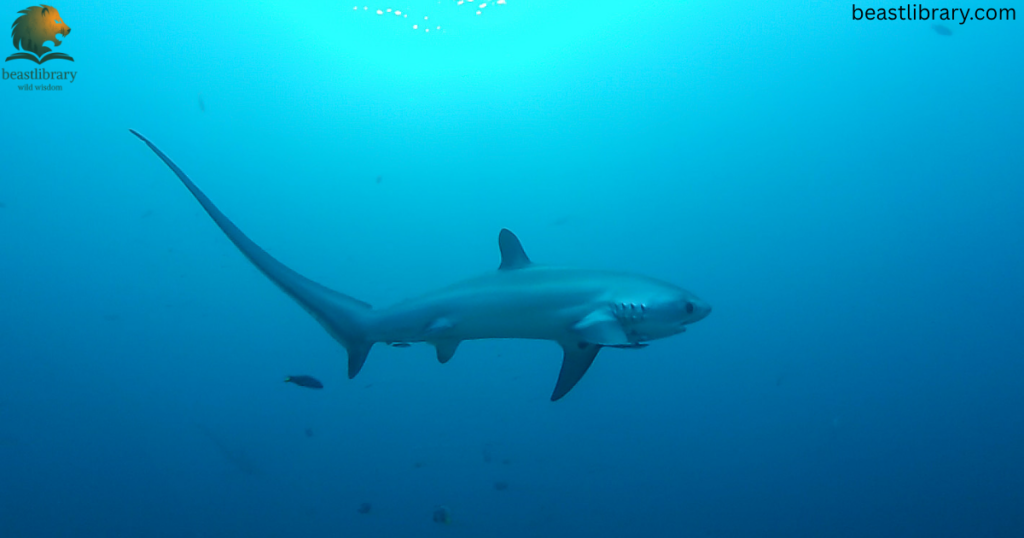
The thresher shark is often recognized for its extraordinary long tail, which can stretch up to half its body length. This remarkable appendage isn’t just for show; it serves a vital purpose in the shark’s hunting strategy.
By slashing through schools of small fish, the thresher creates a stunning spectacle underwater, stunning its prey and allowing for a swift capture. This unique method of hunting showcases the ingenuity of nature, illustrating how an animal can evolve specialized adaptations to thrive in its environment.
8. Ring-tailed coatis
Scientific Name: Nasua nasua
Class: Mammalia
Diet: Omnivore
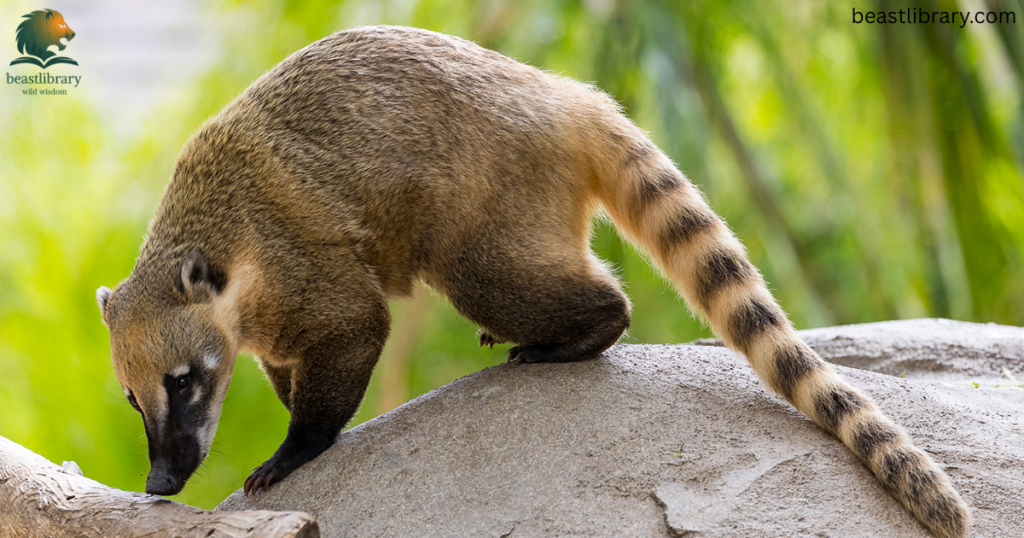
Ring-tailed coatis are captivating creatures that seamlessly blend playful antics with striking physical features. Their most distinguishing characteristic, animals With Long Tail, a long, banded tail, serves multiple purposes beyond mere aesthetics.
This tail not only aids in balance as they navigate through the trees of their native Central and South American habitats, but it also plays a crucial role in communication. When coatis are on the move, their tails often stand erect, allowing fellow coatis to follow one another with ease, a kind of natural GPS in densely forested areas.
9. Black-and-White Ruffed Lemur
Scientific Name: Varecia variegata
Class: Mammalia
Diet: Frugivore
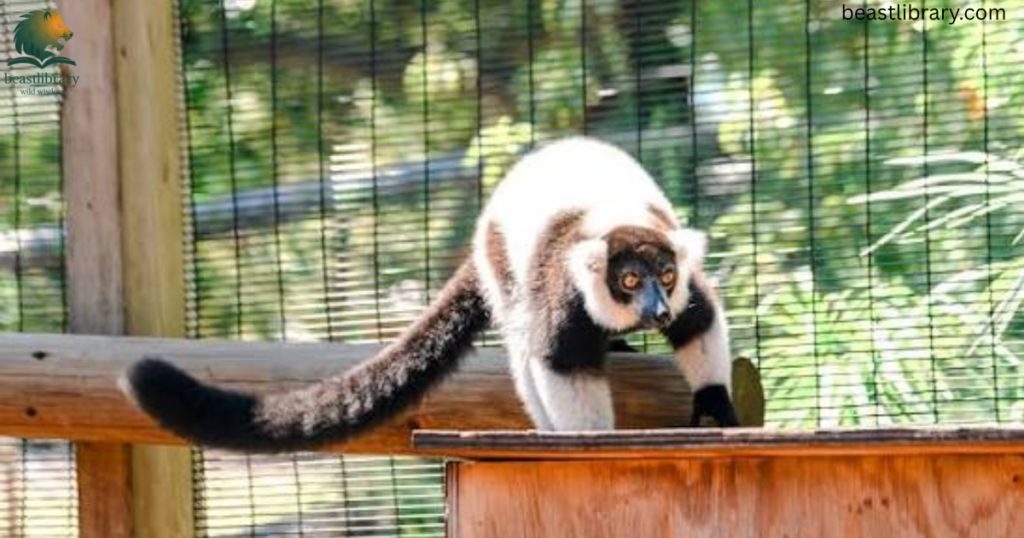
The black-and-white ruffed lemur, native to Madagascar, boasts a striking long tail that serves not just for balance as it navigates the treetops, but also for communication. These lemurs utilize their tails during social interactions.
Their distinctive coloration bold black and white fur lends a dramatic flair to their agility as they leap from branch to branch, creating a mesmerizing spectacle in their lush forest habitat.
10. Clouded Leopard
Scientific Name: Neofelis nebulosa
Class: Mammalia
Diet: Carnivore
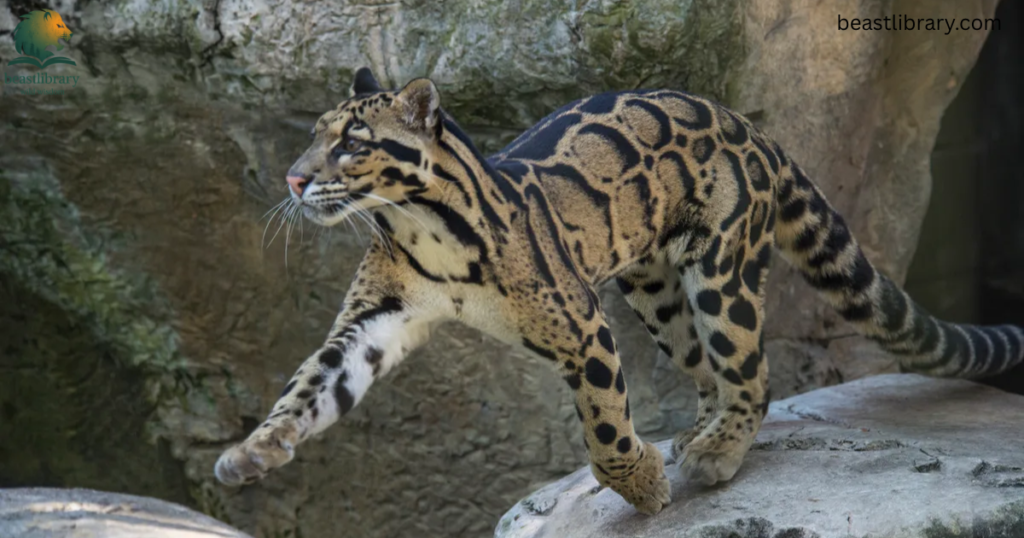
The clouded leopard, an elusive creature of Southeast Asia, showcases a remarkable adaptation in its long, muscular tail. This striking appendage, which can measure up to 30 inches, serves more purposes than mere elegance; it plays an integral role in the animal’s arboreal lifestyle.
As these cats navigate the treetops, their tails function as a counterbalance, allowing for nimble movements and precision as they leap between branches. Observing a clouded leopard in its natural habitat, it’s to see how its tail sways gracefully.
11. Long-Tailed Grass Lizard
Class: Reptilia
Diet: Insectivore
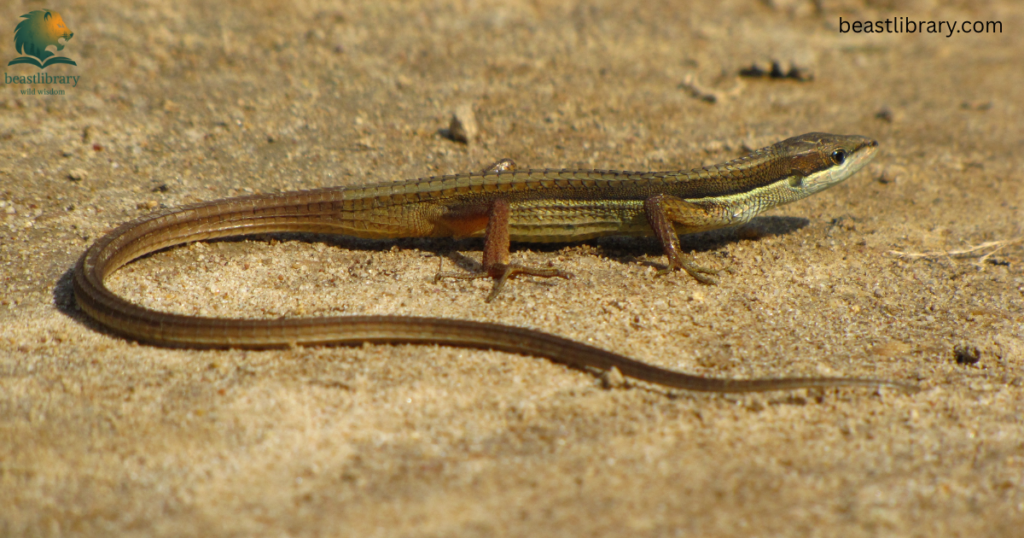
The Long-Tailed Grass Lizard, often overlooked in the rich tapestry of biodiversity, showcases nature’s ingenuity in evolution. With its slender, elongated tail often exceeding its body length, this lizard embodies a remarkable adaptation that serves multiple purposes.
What makes the Long-Tailed Grass Lizard particularly its ability to regenerate its tail after losing it a process not just physical but also biological. The new tail, while lacking the intricate vertebrae of the original, offers a survival advantage, demonstrating resilience against predators.
12. Cheetah
Scientific Name: Acinonyx jubatus
Class: Mammalia
Diet: Carnivore
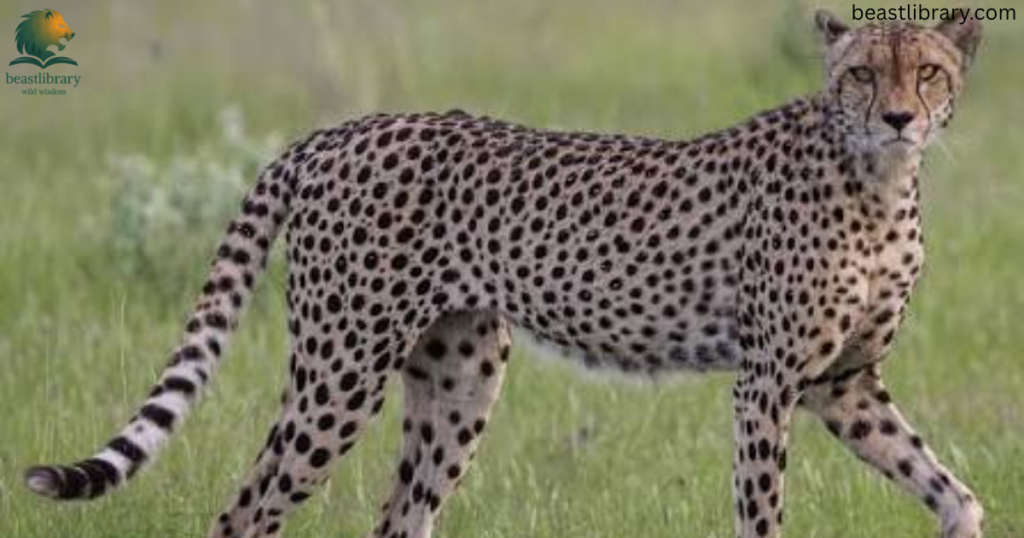
The cheetah’s long, animals With Long Tail ,slender tail is more than just a striking feature; it serves a crucial role in its unparalleled agility. As this magnificent feline accelerates to speeds reaching 70 miles per hour, the tail acts as a dynamic counterbalance, helping the cheetah navigate sharp turns with remarkable precision.
The tail serves as a communication tool among cheetahs, especially during social interactions and while hunting in a group. When sprinting across vast distances, a raised tail signals direction and intention to fellow hunters, fostering coordination and strategy.
13. Angola Colobus
Scientific Name: Colobus angolensis
Class: Mammalia
Diet: Herbivore
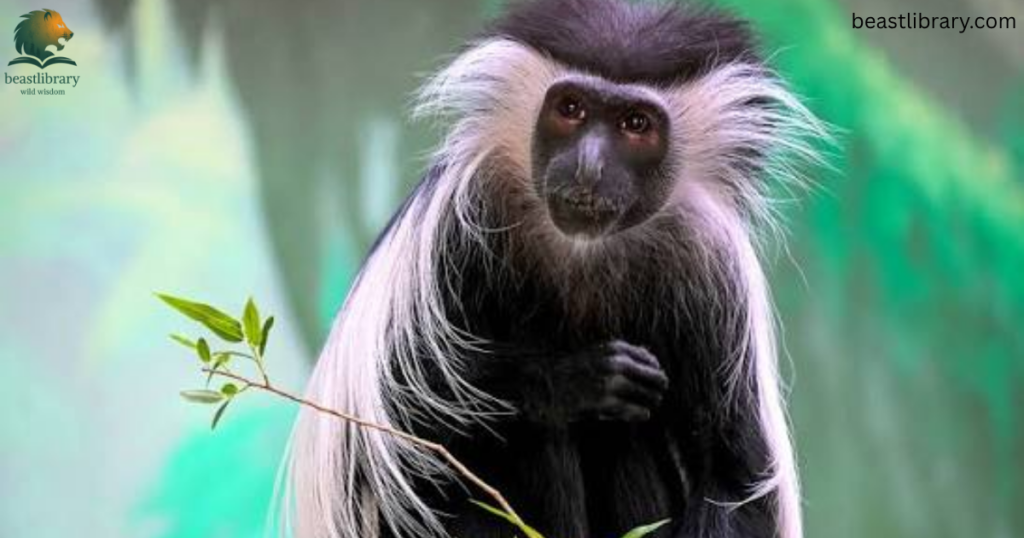
The Angola colobus, an exquisite primate native to the lush forests of Angola, captivates observers not just with its striking black and white fur but also with its remarkable tail, which can extend up to three feet long.
This elongated appendage is not merely for show; it plays a vital role in the colobus’s agility among the treetops. As they gracefully navigate their arboreal habitat, their tails act as a balancing tool, allowing them to perform stunning acrobatic feats with ease.
14. Chameleon
Scientific Name: Chamaeleonidae
Class: Reptilia
Diet: Insectivore
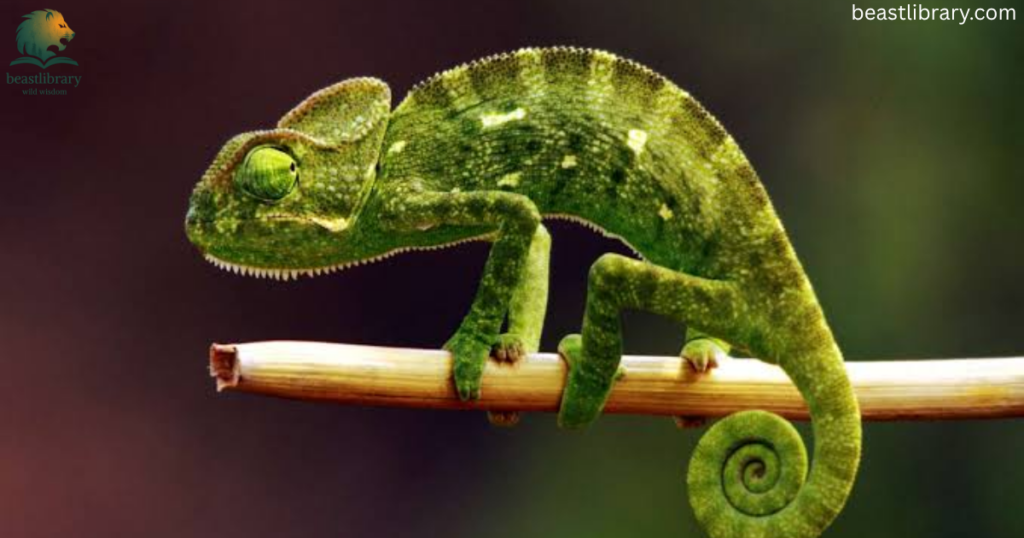
The chameleon, often celebrated for its remarkable color-changing abilities, possesses a long, prehensile tail that is as vital to its survival as its vibrant hues. This tail functions much like a fifth limb, allowing the chameleon to grasp onto branches and navigate the intricate canopies of its arboreal habitat with astounding agility.
Unlike many other lizards, the chameleon’s tail can coilingly wrap around twigs, providing a secure grip as it surveys its surroundings or hunts for insects.
15. Jerboas
Class: Mammalia
Diet: Omnivore/Herbivore
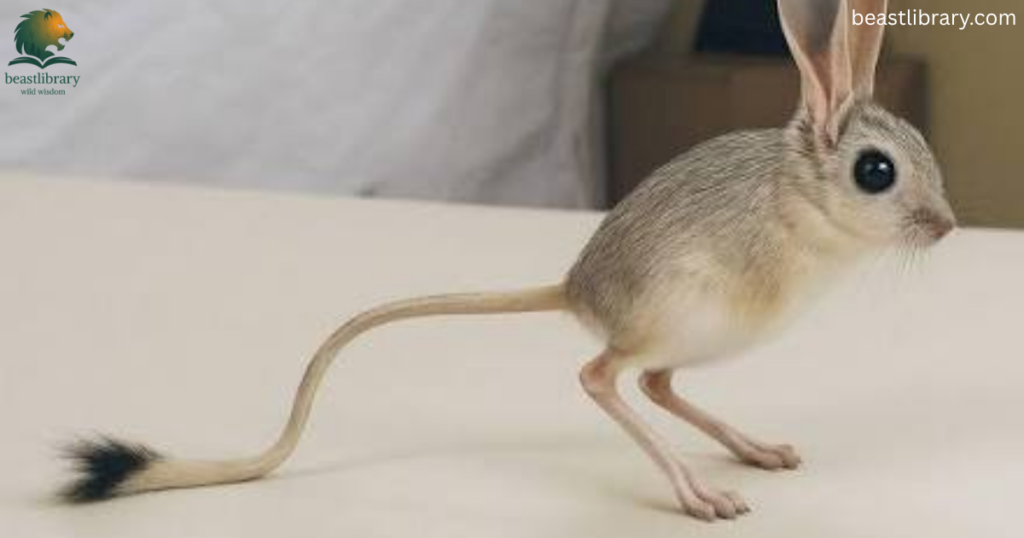
The jerboa, animals With Long Tail, a small rodent found primarily in the deserts of North Africa and Asia, showcases an astonishing adaptation to its arid environment through its long, tufted tail.
When jerboas navigate the shifting sands, their tails help maintain stability as they perform impressive leaps, reaching up to three meters in a single bound. This remarkable agility allows them to escape predators swiftly while foraging for food.
16. Tree Kangaroo
Scientific Name: Dendrolagus
Class: Mammalia
Diet: Herbivore
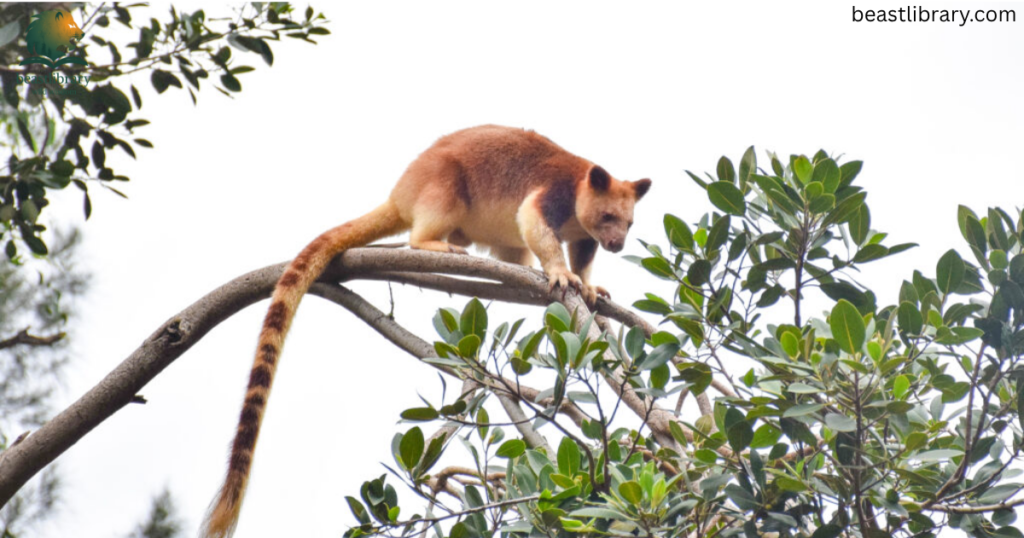
The tree kangaroo, a marsupial native to the lush forests of New Guinea and surrounding islands, boasts a strikingly long and muscular tail that serves multiple purposes. Unlike their ground-dwelling relatives, these remarkable creatures have adapted to a life of climbing.
What’s particularly compelling about the tree kangaroo’s long tail is its role in social interaction and communication. Researchers have observed that these animals often use their tails in expressive gestures, signaling to one another during mating rituals or territorial disputes.
17. Pangolin
Class: Mammalia
Diet: Insectivore
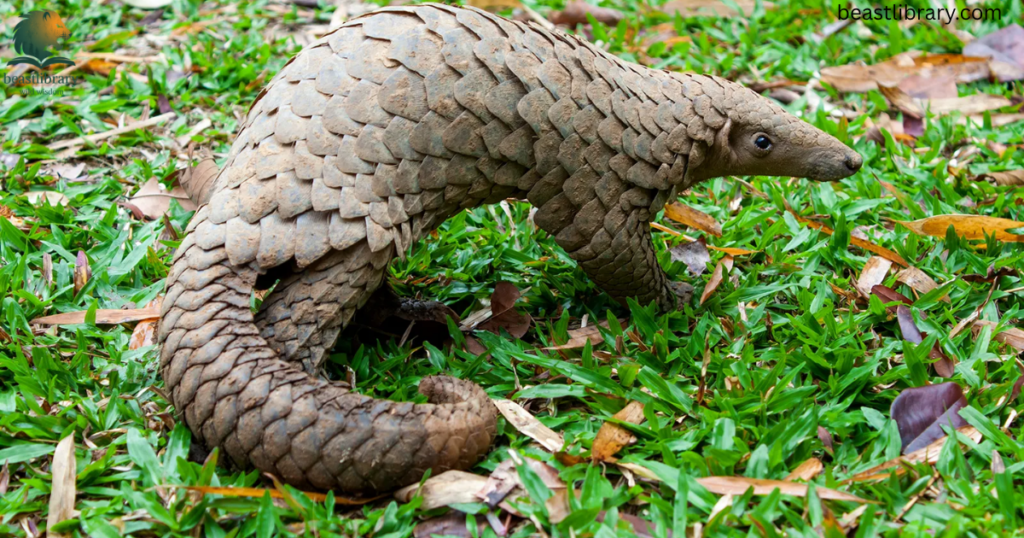
Pangolins tail that plays a critical role in its survival. This elongated tail not only aids in balance as the pangolin navigates its forested habitat but also serves as a tool for gripping branches while it forages for ants and termites.
In a world where many species rely on speed or camouflage, the pangolin employs its unique armor of keratin scales and a remarkable ability to curl into a ball for protection. This remarkable behavior, combined with its flexible tail, allows it to anchor itself securely while presenting an impenetrable defense against predators.
18. Squirrel
Scientific Name: Sciuridae
Class: Mammalia
Diet: Omnivore
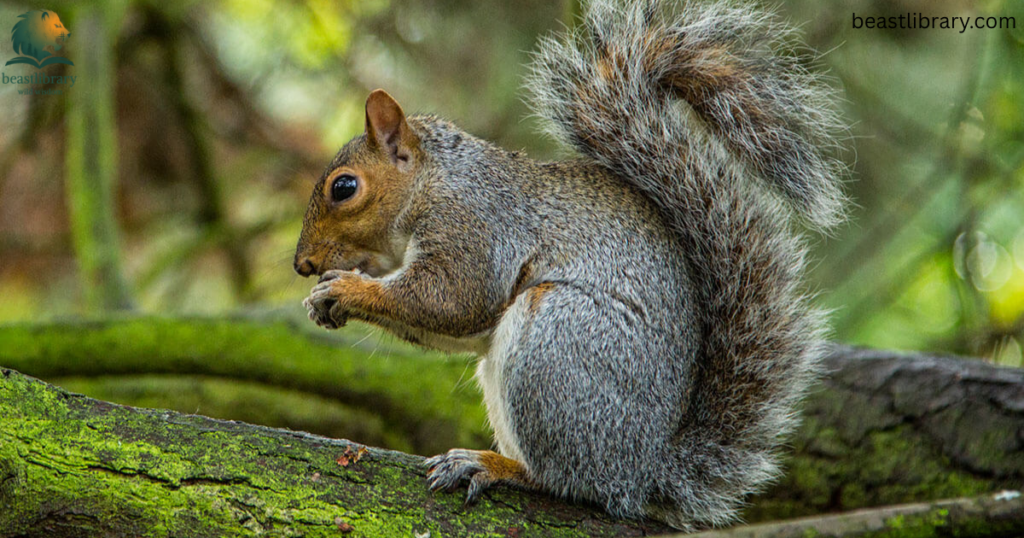
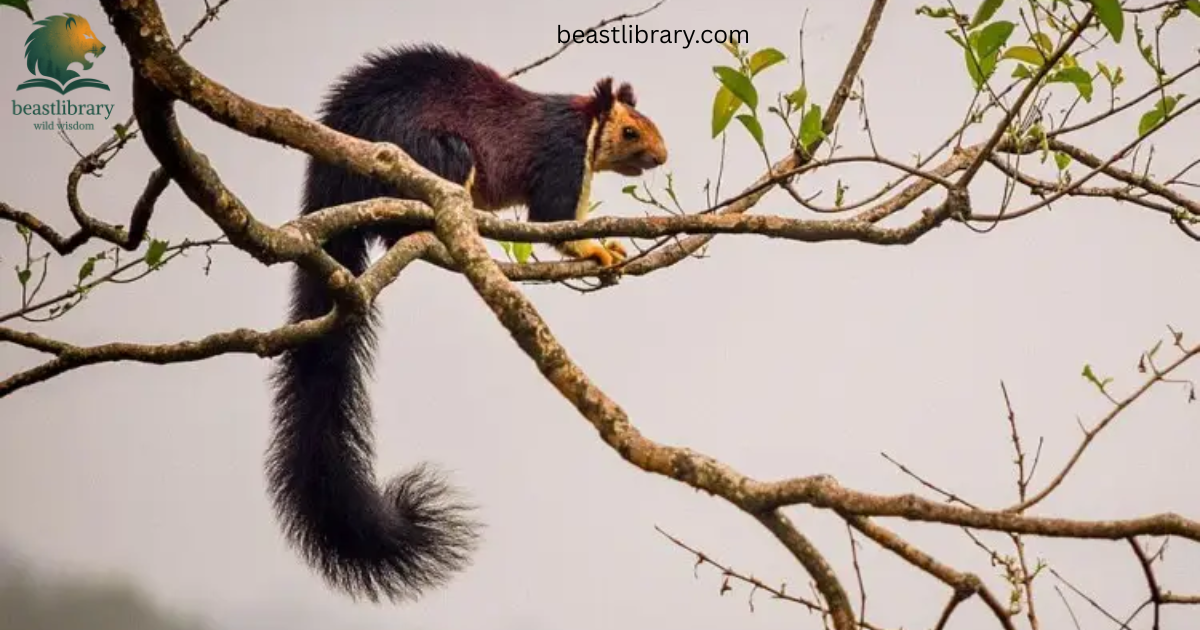
Squirrels are often approached with a sense of whimsy, darting through trees with their signature long tails streaming behind them. This tail isn’t just for show; it’s a versatile tool that plays a critical role in their daily lives.
When they leap from branch to branch, their long, bushy tails help them maintain balance and stability, essentially acting as a rudder that guides them mid-air. This agility allows them to traverse their arboreal kingdoms with confidence and grace.
19. Leopard Whipray
Scientific Name: Himantura leoparda
Class: Chondrichthyes
Diet: Carnivore
The Leopard Whipray showcases an impressive and elongated tail that can reach up to two meters long. This stunning feature aids in camouflage, allowing it to blend seamlessly into the sandy seabeds of coastal waters in the Indo-Pacific.
Beyond its length, the whipray’s tail houses venomous spines, a remarkable evolutionary adaptation. While not typically aggressive, this defense mechanism ensures that predators think twice before making a meal out of them.
20. Howler Monkey
Scientific Name: Alouatta
Class: Mammalia
Diet: Herbivore/Frugivore
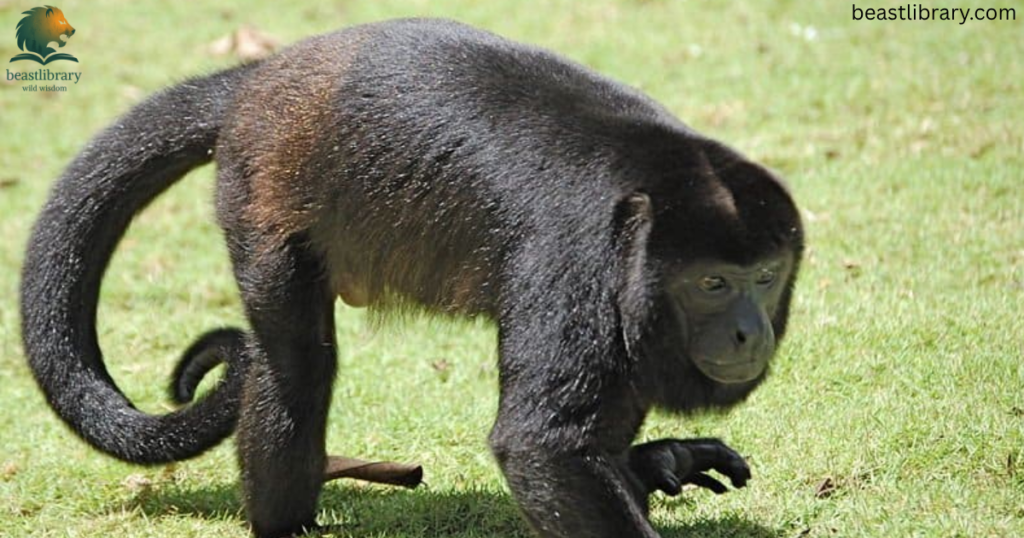
The howler monkey, renowned for its distinctive and powerful vocalizations, uses its long tail not just for balance as it nimbly traverses the treetops, but also as an essential tool for its arboreal lifestyle.
This adaptability not only aids in foraging for fruits and leaves but also facilitates social interactions within the troop, making this tail an integral part of their survival.
Final Thoughts-Animals With Long Tail
Animals with long tails showcase the incredible adaptability and diversity of nature. These appendages serve multiple purposes, from aiding in balance and communication to enhancing hunting abilities.
Understanding the role of long tails in animal behavior also emphasizes the interconnectedness of species and their ecosystems. Therefore, let’s continue to appreciate and protect these remarkable animals and their habitats, ensuring their survival for future generations.
FAQs
Which animal has the longest tail in the world?
The animal with the longest tail in the world is the golden spider monkey. Their tails can measure up to 30 inches long, making them incredibly agile in the treetops of Central and South America.
Do giraffes have tails?
Yes, giraffes do have tails! Their tails are relatively short compared to their long necks and legs. A giraffe’s tail can be about 3 feet long and is typically covered in fur, with a tuft of hair at the end.