Top 13 Animals With No Tails: Facts & Photos that Amaze You
Animals with no tails are found across many habitats. Animals without tails evolution shows how these creatures adapted to survive without a tail. From forests to grasslands, unique creatures including specific animals with no tails in Mexico rely on strong limbs and balance to survive.
List Of Animals with out Tails Scientific Names:
| Rank. | Animal Name | Scientific Name |
| 1 | Gorilla | Gorilla gorilla |
| 2 | Barbary Macaques | Pan troglodytes |
| 3 | Orangutan | Pongo pygmaeus |
| 4 | Human | Homo sapiens |
| 5 | Guinea Pig | Cavia porcellus |
| 6 | Koala | Phascolarctos cinereus |
| 7 | Frog | Anura spp. |
| 8 | Manx Cats | Felis catus |
| 9 | Sloth | Bradypus spp. |
| 10 | Bear | Ursidae spp. |
| 11 | Capybara | Hydrochoerus hydrochaeris |
| 12 | Wombat | Vombatus ursinus |
| 13 | Hedgehog | Erinaceus europaeus |
Detailed Look at the Animals without Tails & Pictures
1. Gorilla
Scientific name: Gorilla gorilla
Class: Mammalia
Diet: Herbivore
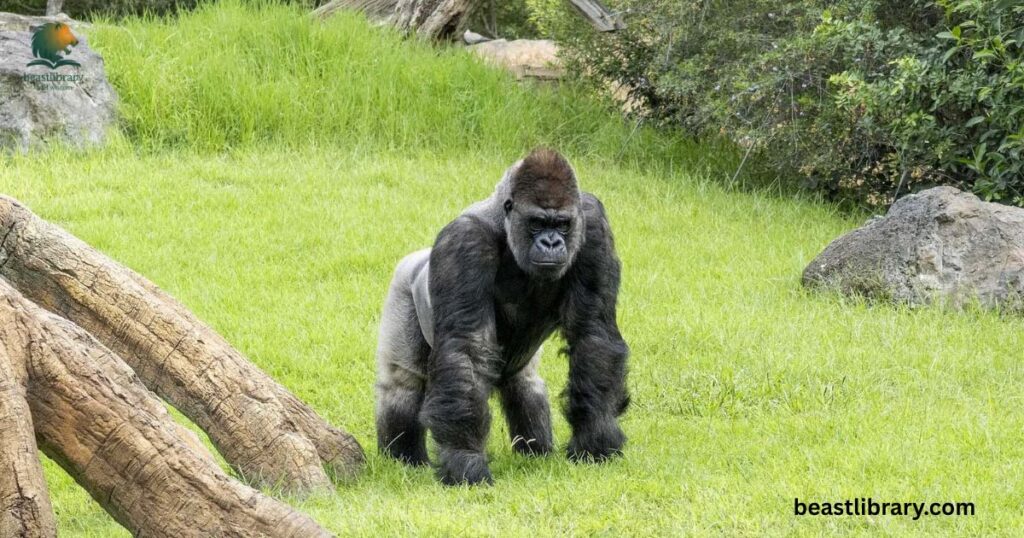
Gorillas are animals without tails and horns. They bear their spine flattened hence, anchoring the erect stance. Gorillas walk using knuckle walking. This keeps their hands safe in the process of movement on the ground. They are social and they exist in groups dominated by a silverback.
Gorillas feed on leaves, stems and fruit. Their huge stomach digests that of plants well. Food and surrounding streams are sources of water. There is no use of the tail since there is a sound balance which has been supported by sound hips and limbs. They are big feet animals of nature.
Fun fact: Gorillas share about ninety eight percent of their DNA with humans.
2. Barbary Macaques
Scientific name: Macaca sylvanus
Class: Mammalia
Diet: Omnivore
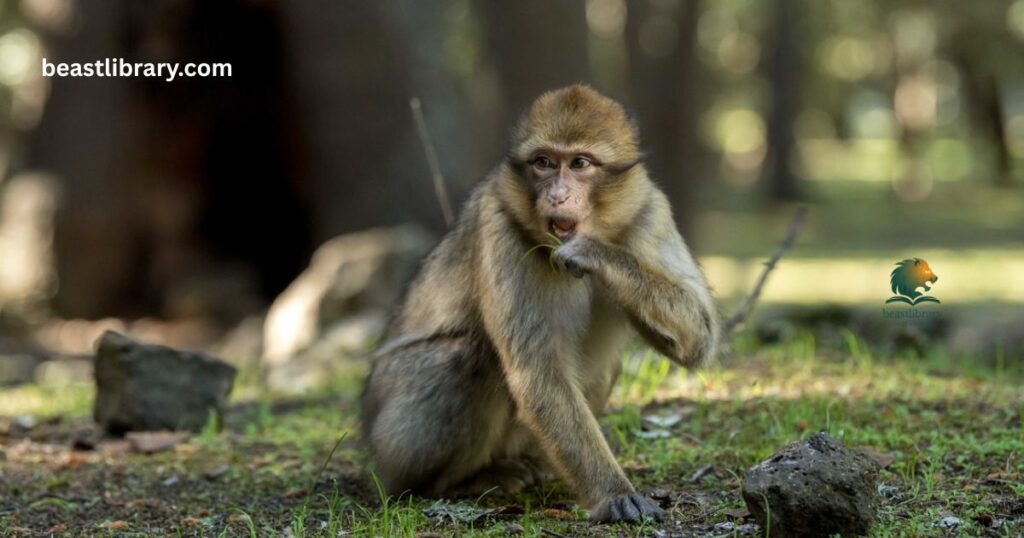
Barbary macaques are apes with tails which are not visible. They are naturally tailless unlike many other species of monkeys. Equilibrium and motion of the body depends on powerful extremities, a supple spine and joint body positioning. They are quick scramblers and strollers and they move assuredly over the rocks and trees.
Grooming enhances social binding and alleviates stress. In the absence of tails, the process of communication depends more on sounds, expressions and posture. Young macaques acquire their survival skills through the observation of adults such as foraging and social skills.
Fun fact: Barbary macaques are the only wild monkey species living outside Asia and are the closest relatives to humans among African primates.
3. Orangutan
Scientific name: Pongo pygmaeus
Class: Mammalia
Diet: Omnivore
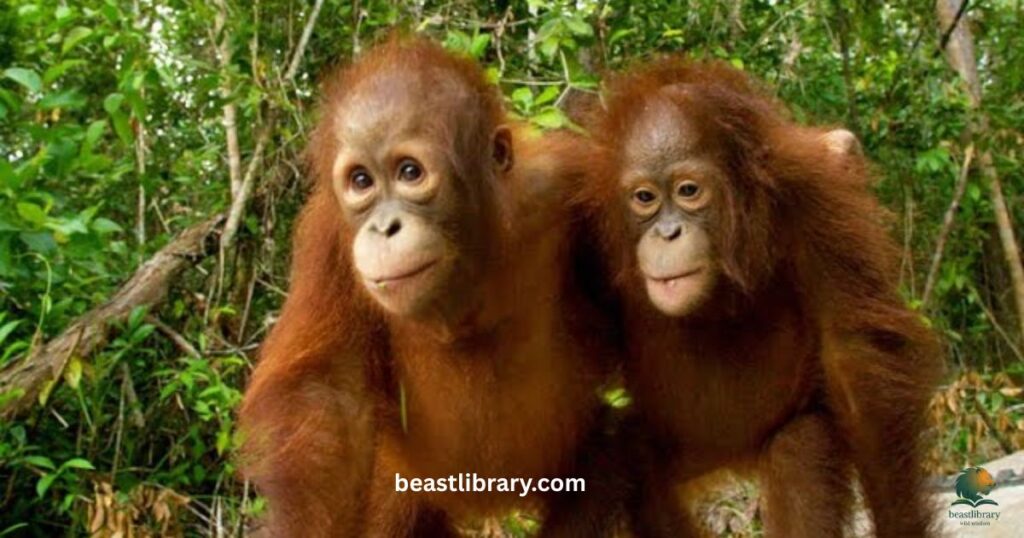
Orangutans are heavy bodied apes that lack tails. Their bodies are constructed to live in the trees. In slow motion, the support is done by arms that are long and the movement is supported with branches. Flexible joints and grip strength give an individual balance.
The availability of food varies with seasons. They feed on tougher plants when food is unavailable. The use of the tools aids in accessing the seeds and the insects. The process of learning occurs by observation. No tail is needed for balance.
Fun fact: Orangutans have the longest childhood of any primate.
4. Human
Scientific name: Homo sapiens
Class: Mammalia
Diet: Omnivore
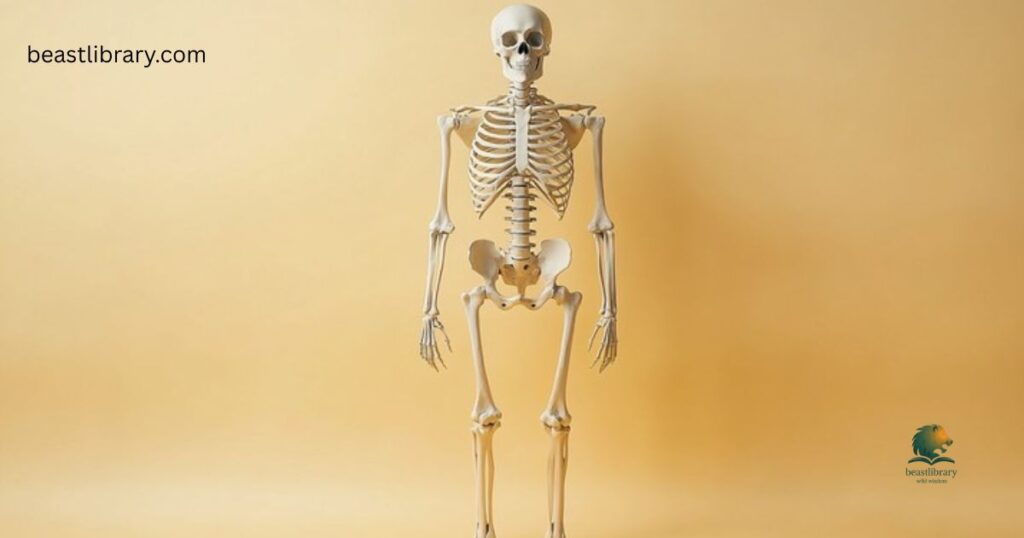
Humans are animals that do not have tails. The tailbone is left as a small bone that is known as the coccyx. The back muscles and leg muscles provide balance. Walking uses two legs only. The food differs depending on the culture and area.
Behavior is complex. Language, expression and writing are used in communication. Humans do not have tails, so they have to use posture to detect emotion. Being tall may be an indicator of confidence. Composed sitting is an indication of ease.
The absence of the tail favored the locomotion of the upright. This freed hands for tools. Sitting muscles are still on the coccyx. Balancedness was more wished for by evolution than movement of tails.
Fun fact: Human tailbones can still move slightly when sitting.
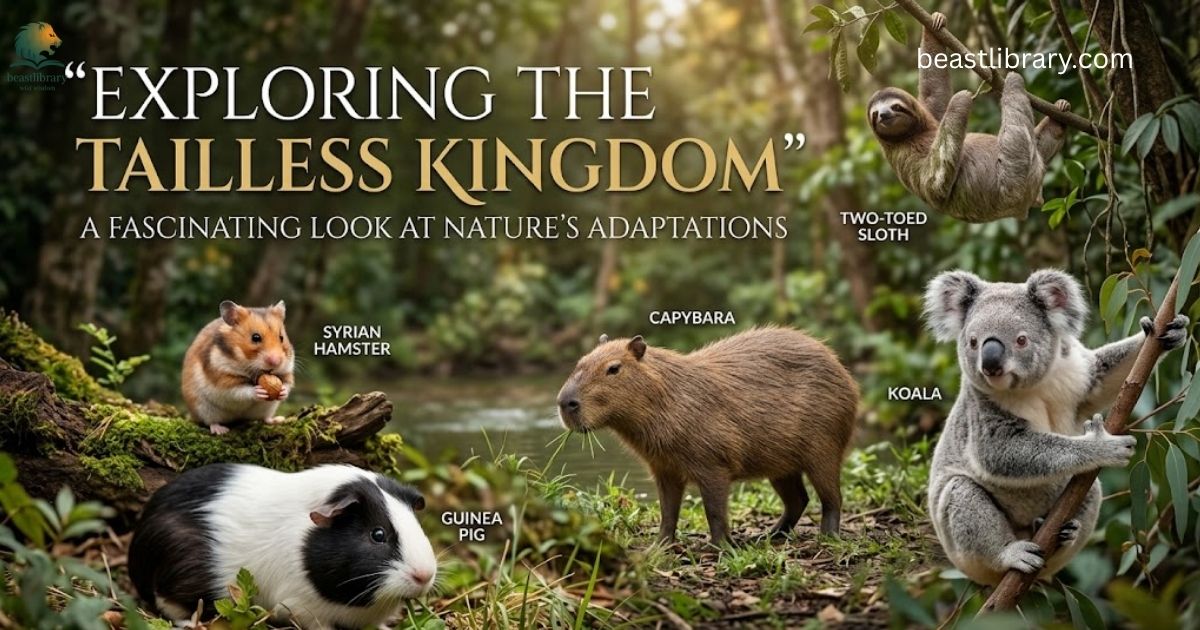
5. Guinea Pig
Scientific name: Cavia porcellus
Class: Mammalia
Diet: Herbivore
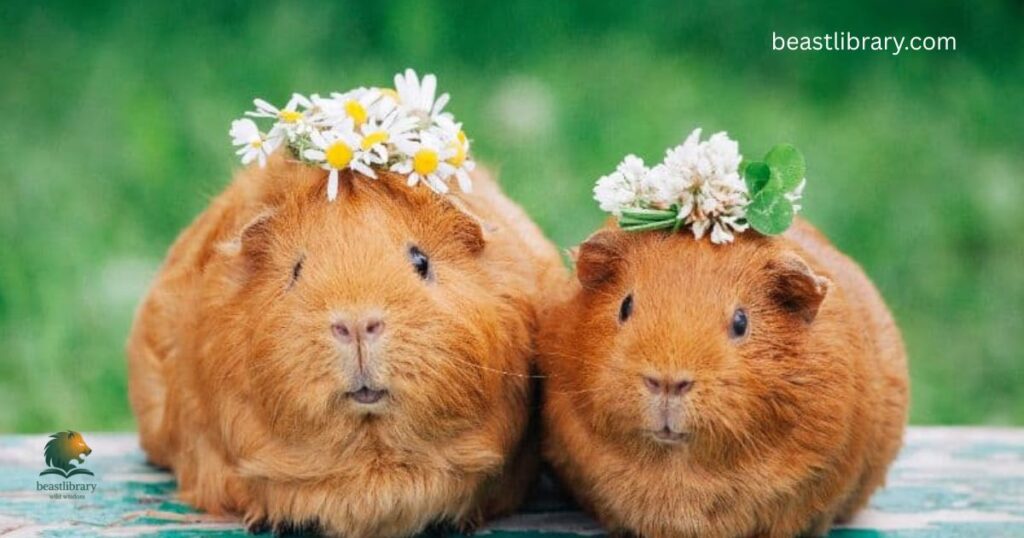
Guinea pigs are rodents that do not bear apparent tails. Their spine ends beneath thick fur. A low center of gravity gives balance. Quick movements are facilitated by short legs. Guinea pigs travel in jag spurts. They freeze when threatened. They feed on grasses, hay, and vegetables.
Guinea pigs are sociable creatures. They live in groups. The sounds are purr and whistle. Body posture shows mood. In the absence of tails, the matter of ear and head movement is more important. Raised heads show alertness. They are chubby animals.
There is no tail that has no effect on survival. Balance aids are less necessary when one with the ground. Small body shapes are appropriate with smaller bodies.
Fun fact: Guinea pigs can make over ten different sounds.
6. Koala
Scientific name: Phascolarctos cinereus
Class: Mammalia
Diet: Herbivore
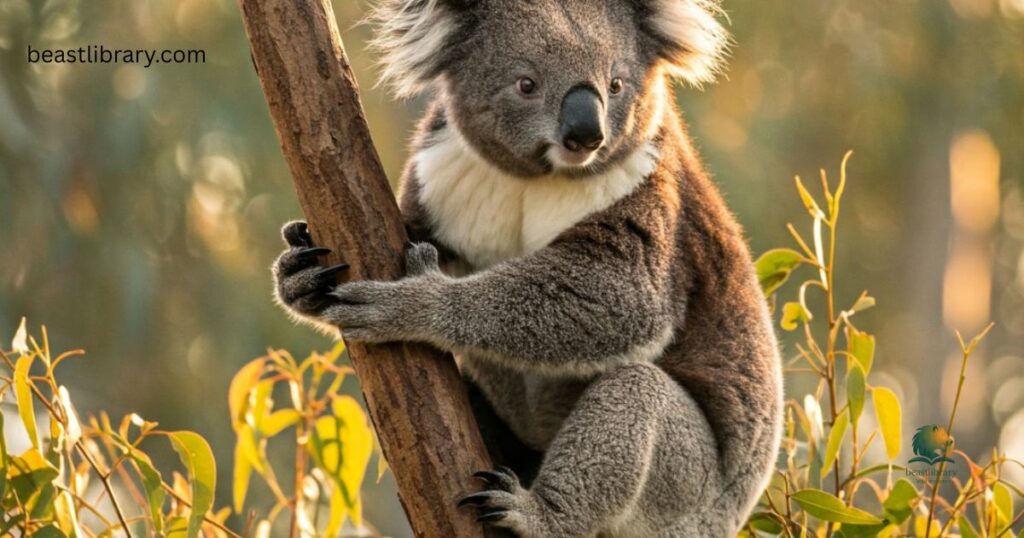
Koalas are tree-dwelling mammals without tails and horns. They are one of the most shy animals and their tail is terminated in plushy hair. Might make right, and sunken nails. Koalas use their nails to hold tree trunks.
They mostly feed on eucalyptus leaves. These are hard and nutrient deficient leaves. The process of digestion is sluggish and delicate. A long gut is used in breaking down toxins. Leaves supply the greatest amount of water.
Koalas are mostly solitary. The breeding season involves the vocal sounds. The deep calls are used by males to indicate presence. There is body posture that aids communication. Lacking tails, the koalas depend on the position of the limbs and the body posture.
The posture of sitting, assists in saving warmth. No tail is needed for balance. There is support in tree hugging. Powerful limbs take the place of the tails altogether. The pace of movement is slow and controlled. But rest conserves energy. Koalas spend many hours of sleep.
Fun fact: Koalas have fingerprints similar to humans.
7. Frog
Scientific name: Anura spp.
Class: Amphibia
Diet: Carnivore
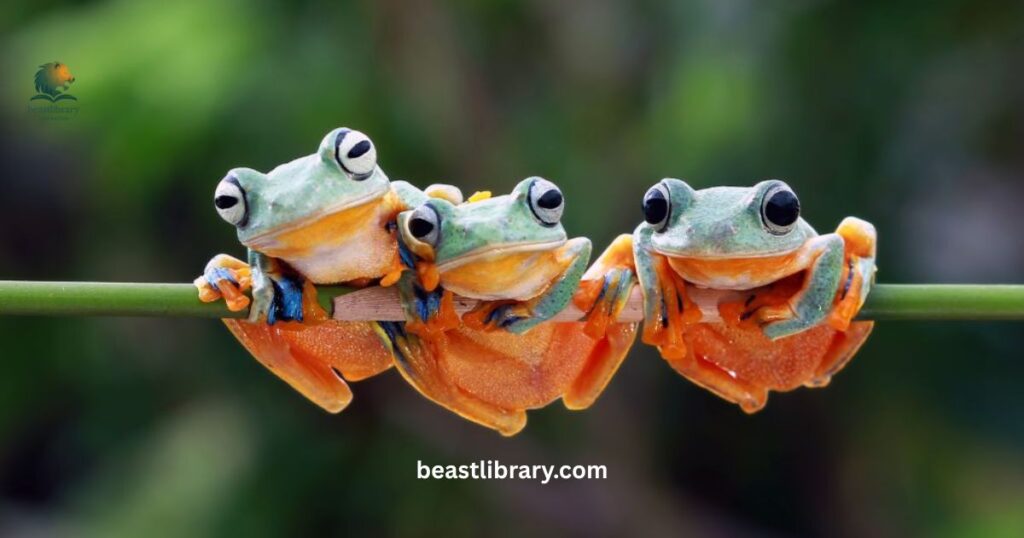
Adult frogs are anuran frogs without tails. The tadpoles possess tails but these are lost as they grow. Powerful hind legs substitute movement of tails. Frogs use dancing as a means of movement and escape.
The frogs are found on all continents except the Antarctic. There are forest, grasslands, wetlands, and ponds as depicted by habitat maps. They are webbed feet animals and their skin needs moist environments. Lakes facilitate reproduction. Some species live in trees. Others stay underground.
Oxygen and water are absorbed into the skin. This involves clean environments. During dry seasons, frogs sleep. Tunneling assists in water conservation. The process of reproduction occurs in water. Eggs hatch into tadpoles. Tails help early swimming.
Tail loss marks adulthood. Once jumping has developed no tail is required. Legs offer control and speed. The strength of limbs was supported by evolution. The balance of the landing is provided by the weight of the limbs and the position of the body.
Fun fact: Some frogs can jump over twenty times their body length.
8. Manx Cats– Animals With No Tails
Scientific name: Felis catus
Class: Mammalia
Diet: Carnivore
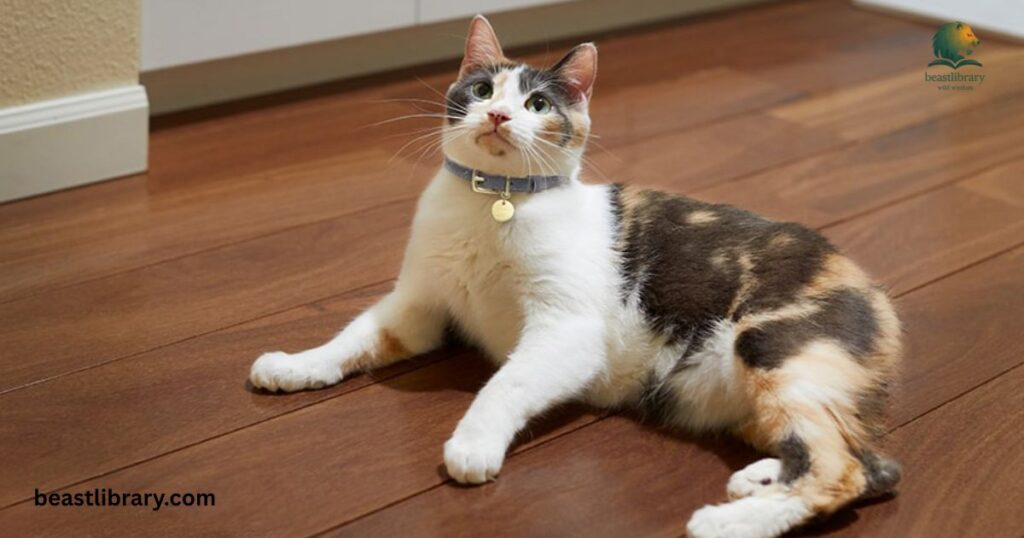
Manx cats are domestic cats who have either no tails or very short tails. This is an innate genetic mutation. Others have totally tailed Manx cats. Others have a small tail stub. The stability is ensured with the help of powerful hind legs and the control of the spine.
Manx cats are social and intelligent. There is a close attachment between them and humans. Folklore involves following owners and routine learning. Body language lacks tails which means that an individual depends on the ear position, posture and vocal sounds.
The hind legs are made longer than the front legs. This provides good jumping performance. Manx cats are active but calm. Play helps maintain health. Certain genetic types may result in spine defects, and as such, breeding should be taken into consideration.
Fun fact: Manx cats were once believed to bring good luck to sailors.
9. Sloth
Scientific name: Bradypus spp.
Class: Mammalia
Diet: Herbivore
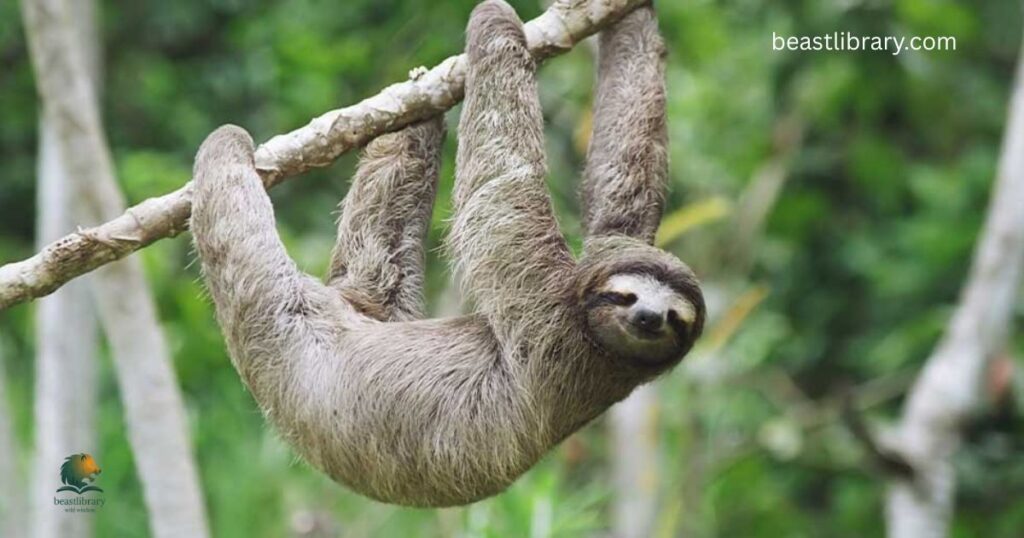
Sloths are low-paced mammals that lack tails. They have a spine that is terminated in heavy fur. Curved claws and strong grip bring about balance. The sloths are in an upside down position most of the time, throughout their lives. Locomotion is intended and expected.
The sloths are found in Central and South America. Tropical rainforests can be observed on habitat maps. Trees serve as food and shelter. Sloths are not used to falling to the ground. Movement in the ground is dangerous and slow.
Communication is limited. Limb positioning in the absence of tails balance. Hanging reduces energy use. A major portion of the day is taken up by sleep. Nighttime is when it takes short active periods. Learning occurs by physical proximity. No tail is needed for balance.
Fun fact: Sloths can turn their heads nearly three hundred degrees.
10. Bear
Scientific name: Ursidae spp.
Class: Mammalia
Diet: Omnivore
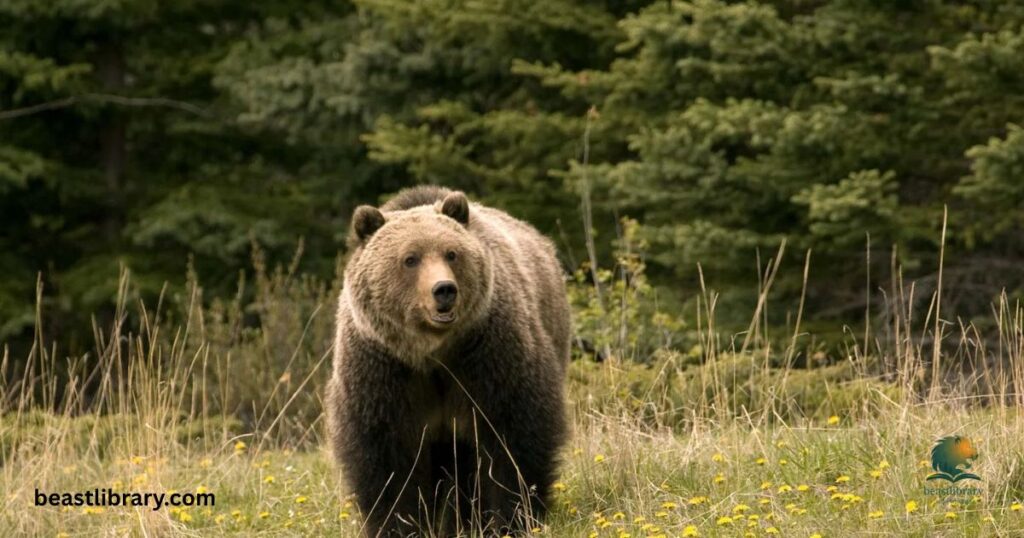
Large growl mammals like the bear are perfect examples of animals with short or no tails. It has a truncated tail covered by fur. Good legs and broads may give balance. Bears walk flat-footed. This helps in weight and stability.
Bears have their habitats in North America, Europe, Asia, and some parts of South America. On the habitat maps, there are forests, mountains, tundra, and grasslands. Diet varies by species. Bears consume plants, insects, honey and meat. Often foraging consumes numerous hours a day.
Power enables them to access hard resources. Body posture signals mood. Being on two legs may be a cue of danger or interest. In the absence of tails, intent is transmitted through shoulder movement and the movement of the head.
In certain species, hibernation takes place. Long rest periods are maintained in fat stores. The cubs are born when resting in winter. Mothers provide care alone. The movement is strong but restrained. Running is fast despite size. Some of the species can climb.
Fun fact: Bears can smell food from miles away.
11. Capybara
Scientific name: Hydrochoerus hydrochaeris
Class: Mammalia
Diet: Herbivore
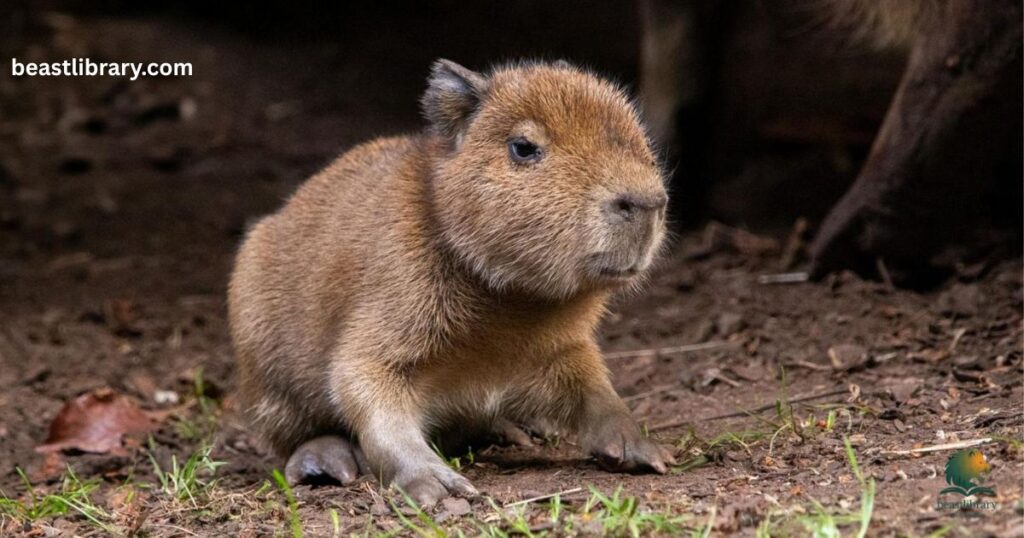
Capybaras refer to apt-tailed rodents. They have their spine ending in thick skin. Sturdy legs and wide feet bring about the balance. Capybaras peaceful on the ground and easily swim. The webbed feet aid in the movement of water. Posture is also not supported by the tail.
Capybaras are native to South America. There are river, wetland, grassland, and forested edges on the habitat maps. Water is an imperative to live. Capybaras remain near lakes and sluggish rivers. In an attempt to get out of danger, they go into water and cool down.
They feed on grasses, aquatic vegetation and barks. There is morning feeding and evening feeding. Teeth grow constantly. Chewing keeps them worn down. Capybaras are also known to feed on their own feces to be able to take in nutrients once more.
Organizations can have dozens of members in a group. The signals of body position depicts dominance or comfort. In the absence of tails, scent glands close to the nose aid in communication.
They sleep in the most humid time. Both shade and water minimize heat stress. Young capybaras are attached to the adults. Co-existence enhances survival. No tail is needed for balance. This is substituted by water buoyancy and the use of limbs. Nobility is energy saving.
Fun fact: Capybaras are clumsy animals and the largest rodents in the world.
12. Wombat
Scientific name: Vombatus ursinus
Class: Mammalia
Diet: Herbivore
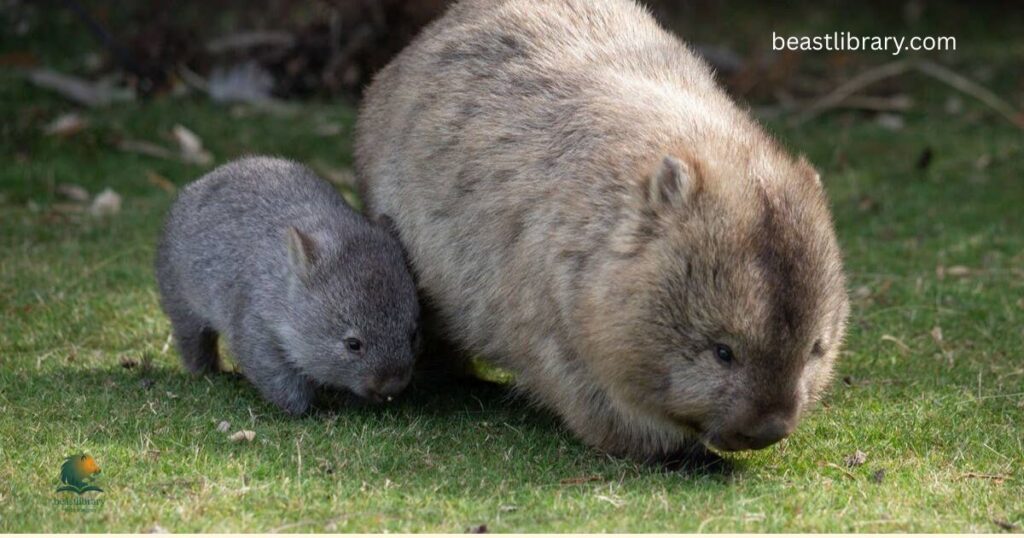
Wombats are chubby short tailed mammals that are stocky. Their back is terminated in thick hair. Low bodies and powerful limbs bring about balance. Wombats are good walkers and good diggers. Strong movement is held on short legs.
Wombats live in Australia. There are forest, grasslands and mountainous areas in the habitat maps. Burrows are useful in terms of shelter and thermal regulation. The type of soil has an impact on the depth of burrows.
There are some burrows that go well beyond meters. They feed on grasses, roots and bark. The feeding is mainly done at night. Digestion is slow. Wombats are mostly solitary. Scent marking is taken on board as a component of territorial behavior.
Fun fact: Wombat droppings are cube-shaped.
13. Hedgehog
Scientific name: Erinaceus europaeus
Class: Mammalia
Diet: Omnivore
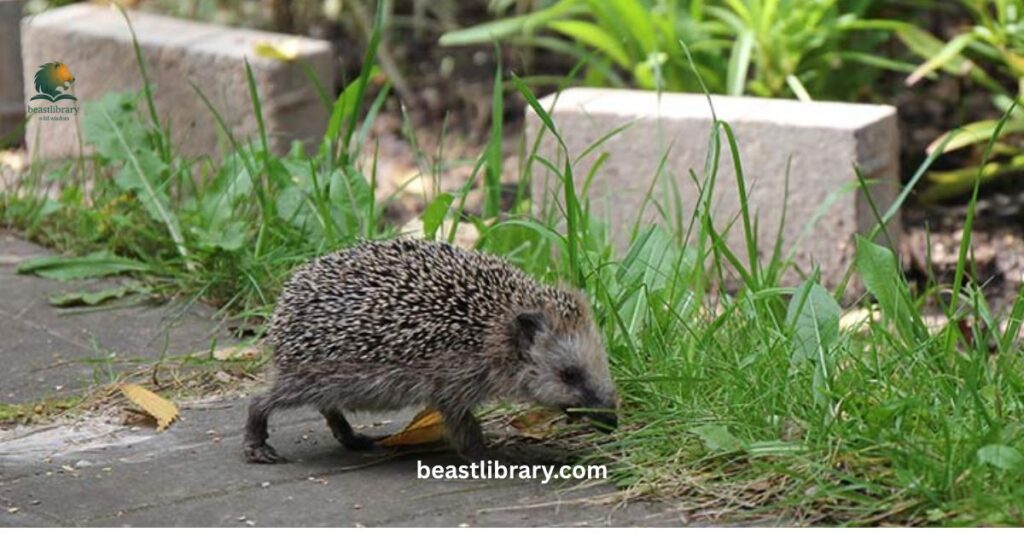
Hedgehogs are short leg small mammals whose tails cannot be seen. The tail is also abridged and concealed with spines. Beauty is the work of deformed limbs and mound. Movement is slow but steady. To huddle up in a ball is protection.
Hedgehogs can be found in Europe, Asia and Africa. The gardens, woodlands and grasslands can be seen through habitat maps. The shelters comprise leaf piles and burrows. It usually involves a human setting. They are animals with small ears.
The foods comprise insects, worms, fruits and small animals. Feeding happens at night. Strong smell guides hunting. The types of food that teeth are dealing with are different. In the absence of tails, the dogs would be entirely dependent on the behavior of curling.
Fun fact: Hedgehogs can eat thousands of insects each year.
Conclusion– Animals With No Tails
Animals with no tails are examples of how evolution adapts species to survive. Since the gorillas and humans to the Manx cats and frogs, these animals without tails have to depend on posture, strong limbs, and body balance instead of tails.
FAQs:
Why Do Some Animals Have No Tails?
Some animals do not have tails because, over time, evolution removed what they did not need. A tail is only kept if it helps survival if not, it gradually becomes smaller or disappears.
Do Animals With No Tails Have Balance Problems?
No, animals without tails usually do not have balance problems. They have evolved other ways to stay stable and move efficiently.
Are Animals With No Tails Born That Way?
It depends on the species and its life cycle.