
Amazing 16 Animals With Thick Fur: Pictures (included)
Animals with thick fur live in cold, harsh places. Their fur keeps them warm. Fur is insulated like the natural stuff. It seals the air and prevents heat loss. Lets discuss the way these thick fur animals live which makes them unique.
Top 16 Fur Animals list: Detail & Pictures
- Polar Bear
- Arctic Fox
- Musk Ox
- Snow Leopard
- Chinchilla
- Canadian Lynx
- Yak
- Siberian Tiger
- Sea Otter
- Wolverine
- Highland Cow
- Harp Seal
- Arctic Hare
- Alaskan Malamute (Dog Breed)
- Red Fox (Northern)
- Mountain Goat
1. Polar Bear
Scientific Name: Ursus maritimus
Class: Mammalia
Diet: Carnivore
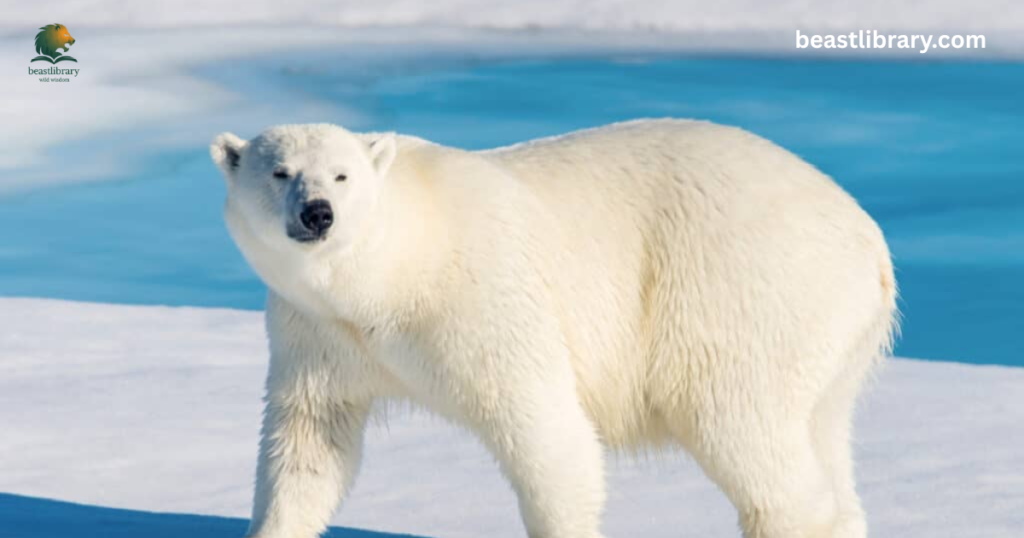
The chubby polar bear resides in the arctic. It hunts seals on sea ice. Its thick fur has two layers. There is one thick and wooly layer. The other layer is the long guard hairs. These hairs allow water to be shed off after swimming. The fur is covered with a plump layer of fat and have big feet.
Polar bears traverse on ice at sea and on ice-covered coastlines. They also walk a long distance to get food. They are strong swimmers and have sharp teeth. They have claws that assist them in holding ice.
Climate change also concerns people because they fear that their habitat will be reduced. In cases of premature melting of ice, bears become short of time to find food. Researchers observe them in order to find the means of safeguarding them.
Fun fact: Polar bear fur is actually transparent and hollow. It looks white but helps reflect sunlight.
2. Arctic Fox
Scientific Name: Vulpes lagopus
Class: Mammalia
Diet: Omnivore
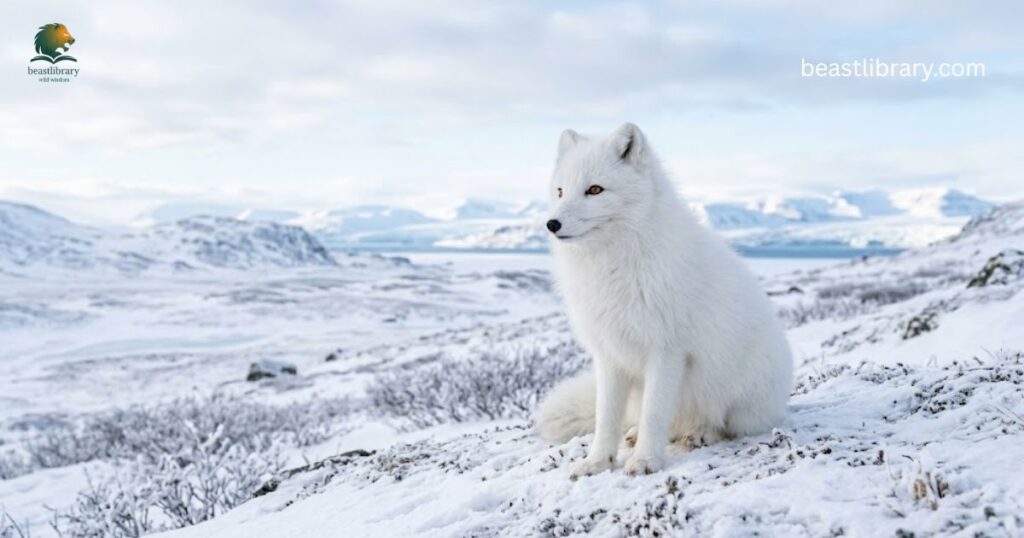
Arctic fox inhabits coldest areas on Earth. It is thickest fur animal and have bushy tail. During winter the fur is thick and during summer it is fine. During winter, the coat becomes white. This assists the fox to blend in snow. During summer the fur is brown or gray.
They prey on small animals such as lemmings. Birds, eggs, fish, and the bones of bigger predators are also consumed by them. Where there is food in short supply they bury it underground.
During the breeding season arctic foxes are social. Both the parents are looking after the young. They guard their pups against attacks by wolves and snowy owls. Their hearing is sharp. They are able to hear the movement of animals within snow.
Fun fact: An Arctic fox can survive temperatures as low as minus 58 degrees Celsius.
3. Musk Ox
Scientific Name: Ovibos moschatus
Class: Mammalia
Diet: Herbivore
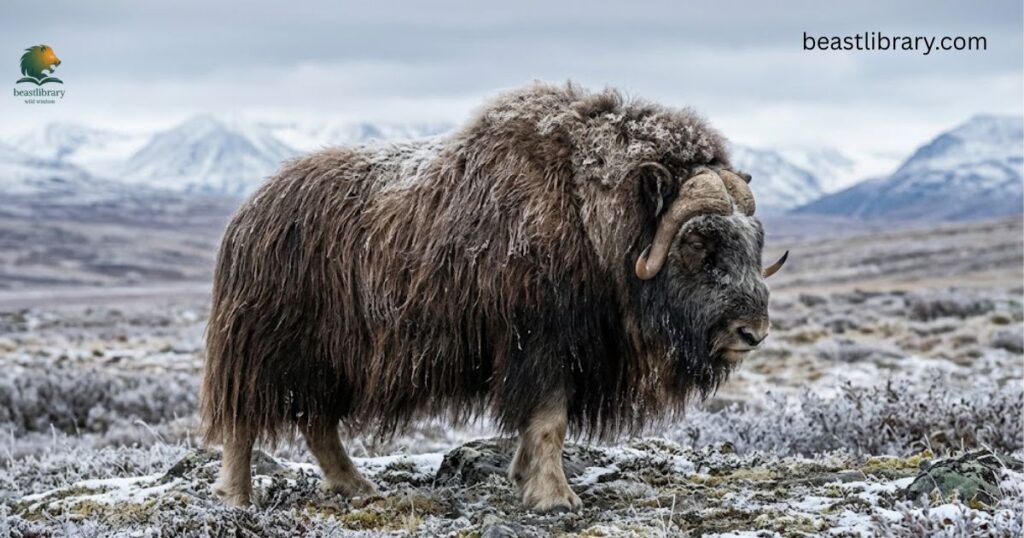
Musk ox are horned resembles a cow and bison. It is built for extreme cold. Its fur is so thick and nearly in contact with the ground. This fur has two layers. The wind and snow are excluded by the outer layer. The internal layer is warm and quite soft. This interior wool is referred to as qiviut.
Musk oxen inhabit the arctic tundra. They occur in Greenland, northern Canada, Alaska and in some parts of Siberia. They remain on open country with small vegetation. They consume grass, moss and small shrubs. During winters they excavate snow in search of food.
These are slow-paced animals who stand their ground. When danger comes they circle round. The young stay in the center. Adults turn out and bow their heads. Their horns are curved to protect them against wolves and bears.
Musk oxen live in herds. This will enable them to remain warm and safe. When it storms they are side by side. Their thick fur traps the heat in even the powerful wind. During the summer period, they shed fur as the temperatures increase.
Fun fact: Qiviut is eight times warmer than sheep wool.
4. Snow Leopard
Scientific Name: Panthera uncia
Class: Mammalia
Diet: Carnivore
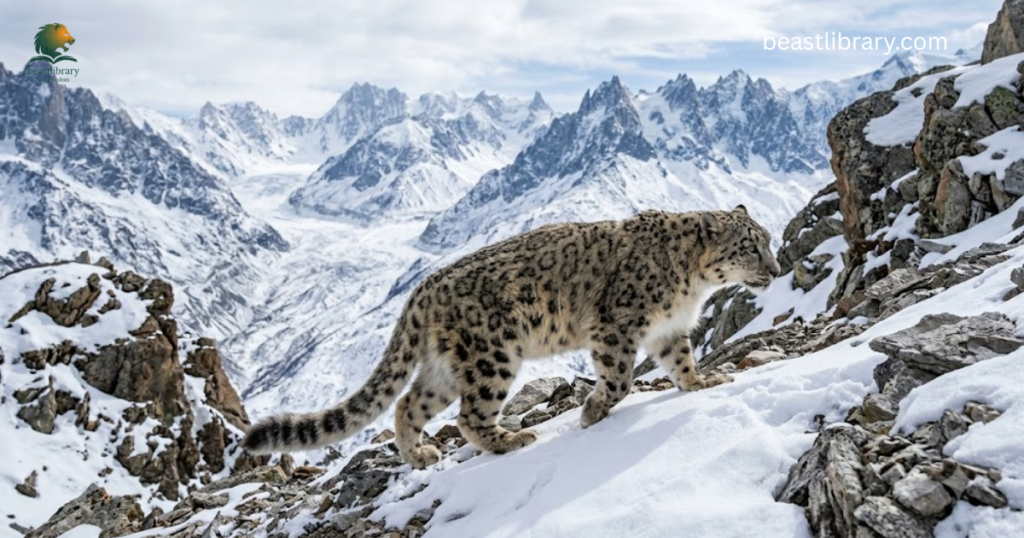
The snow leopard lives in the mountainous region. It is designed on steep and cold land. The body and tail are covered by its thick fur. The tail is bushy long and fluffy. It assists in the sense of balance and warmth. Snow leopards wrap their tails in the time of rest.
The fur of them is dark gray with black spots. This assists them to merge into rocky slopes. They prey on such animals as blue sheep and ibex. They are silent and long-suffering hunters. They jump over the rocks and attack quickly.
Snow leopards are found in South and central Asia. They are located in the Himalayas, Mongolia, China and neighboring territories. Their habitat is cold and dry. The ground is covered by snow during the major part of the year.
These cats live alone. They identify their territory through scent. They are the most active in the morning, and evening. Their shaggy fur keeps them warm in the cold winds. Their paws are also thickly covered in fur. This works like snow shoes.
Fun fact: Snow leopards cannot roar like other big cats.
5. Chinchilla
Scientific Name: Chinchilla lanigera
Class: Mammalia
Diet: Herbivore
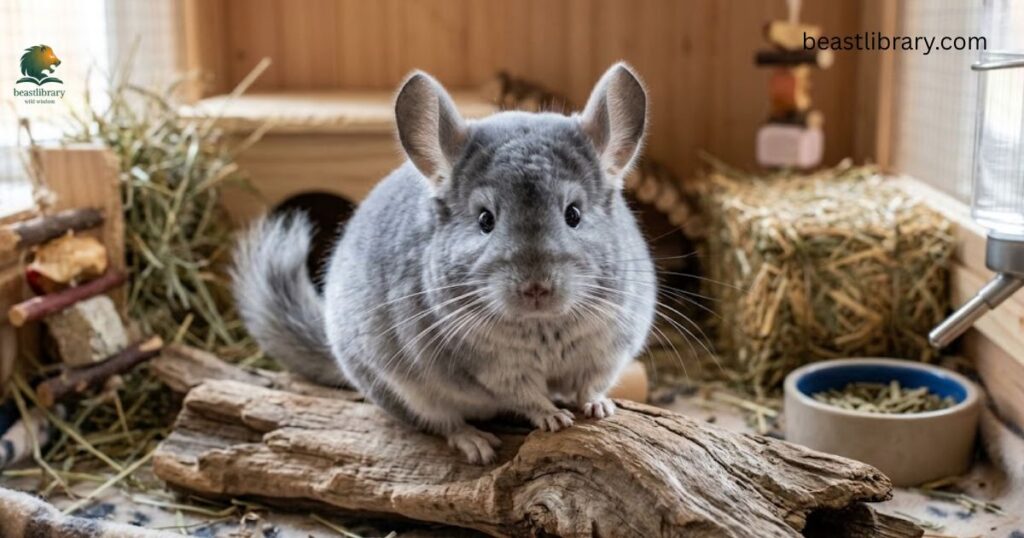
Chinchilla is a very fat little fox that has extremely thick fur. The fur density is highest of all terrestrial mammals. A single follicle of hair may produce dozens of hairs. This helps the chinchilla to warm up in cold mountain air.
Chinchillas are animals that inhabit the Andes Mountains of South America. Their favorite is the cool and rocky region. They are nocturnal mostly. They retreat in crannies during the day. They feed at night on plants, seeds and grass.
Their dense fur keeps them warm but it also keeps them safe of parasites. Such dense fur cannot sustain the life of fleas and ticks. Chinchillas bathe their fur by dust bathing. They roll on fine dust to get oil and dirt.
Fun fact: A chinchilla can have over 20,000 hairs per square centimeter.
6. Canadian Lynx
Scientific Name: Lynx canadensis
Class: Mammalia
Diet: Carnivore
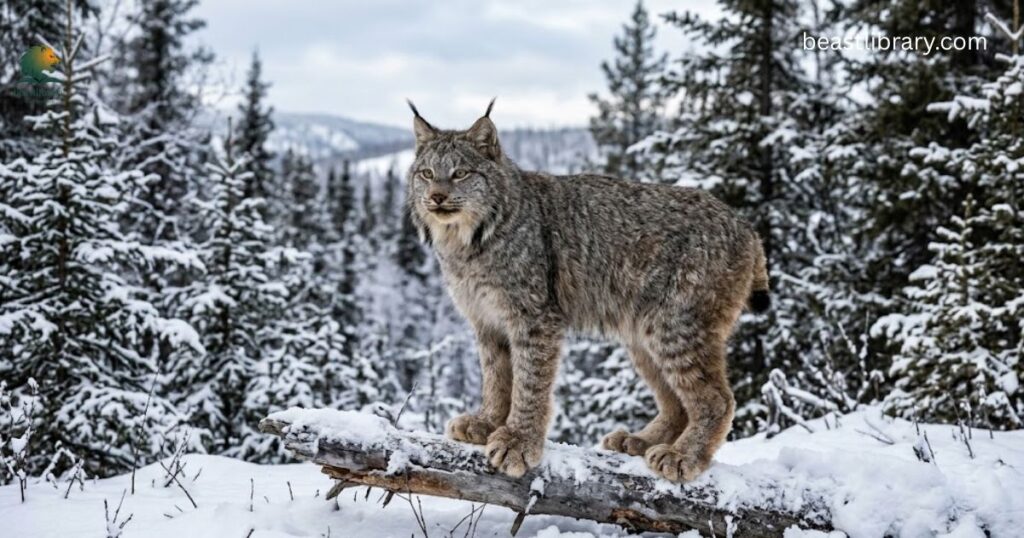
The Snow wild cat, the Canadian lynx, is a snow-modified cat. It has thick fur and long legs. It has additional fur during winter. The shade is brown, then gray. This assists it to blend into snowy-forests.
The lynx has massive furred paws. Its weight is distributed by these paws. This makes it stroll on deep snow without getting deep into it. Its primary prey is a snowshoe hare. As the number of hare declines, the number of lynx also declines.
Canadian lynx inhabit boreal forests. They occur in Canada and north of the United States of America. They like forest covers that are thick and cold. They also go hunting in the night or in the early morning.
They are covered with thick fur that helps them to survive the cold winters. Even the tips of their ears contain black tufts to feel the movements. The lynx is quiet and careful. It is dependent on auditory and visual as opposed to velocity.
Fun fact: A Canadian lynx can leap up to 10 feet in one jump.
7. Yak– Animals With Thick Fur
Scientific Name: Bos grunniens
Class: Mammalia
Diet: Herbivore
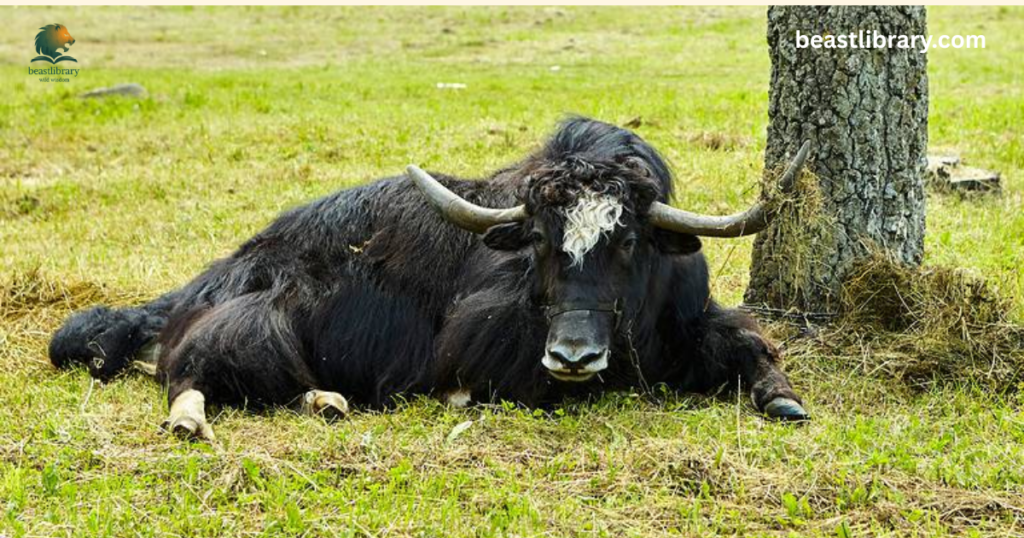
The horned yak fur is thick and covers the body long. This fur keeps it out of the snow and the cold air. The coat has two layers. The outer layer blocks wind. The skin is covered by the inner layer which captures warmth.
Yaks are stubborn inhabit the Tibetan plateau and the adjacent mountain ranges. They exist in China, India, Nepal and Bhutan. They inhabit high levels in which not many animals survive. In such places, grass and small plants grow short. Yaks spend the day grazing most of the time.
Wild yaks move in small herds. The domestic yaks are common to live with people. They are quiet though vigorous animals. Their broad hooves enable them to move on rocky mountainous areas and snow. During winter, their fur becomes longer and thicker. In summer, they shed heavily.
Yaks can handle thin air. Their lungs and hearts are developed to high altitude. During the warm season, they brush off insects with tails. In case of storms, yaks confront the wind and stand still in order to conserve energy.
Fun fact: Yak fur can reach the ground and act like a natural blanket.
8. Siberian Tiger
Scientific Name: Panthera tigris altaica
Class: Mammalia
Diet: Carnivore

The largest tiger on the earth is the Siberian tiger. It lives in cold forests. The reason is that it has heavy fur enabling it to withstand cold winters. The coat is also longer and denser as compared to other tiger subspecies. The skin is warmed by the presence of a layer of fat underneath the skin.
These tigers are found in eastern Russia and some elements of north China. They like snow-covered, thick-growth forests. They also hunt deer, boar and other big animals. Hunting involves power and endurance. The tiger preys silently and, then, strikes.
Siberian tigers live alone. A tiger has a vast territory to take care of. They scratch trees and scent mark them. The neck and belly are also covered with thick fur. This cushions important sections in cold seasons.
During the winter season, the ground is encircled by snow. The paws of the tiger are wide and they assist it in moving through snow. Its spots make it part of the forest shade. This helps during hunting.
Fun fact: Siberian tigers can survive temperatures as low as minus 40 degrees Celsius.
9. Sea Otter
Scientific Name: Enhydra lutris
Class: Mammalia
Diet: Carnivore
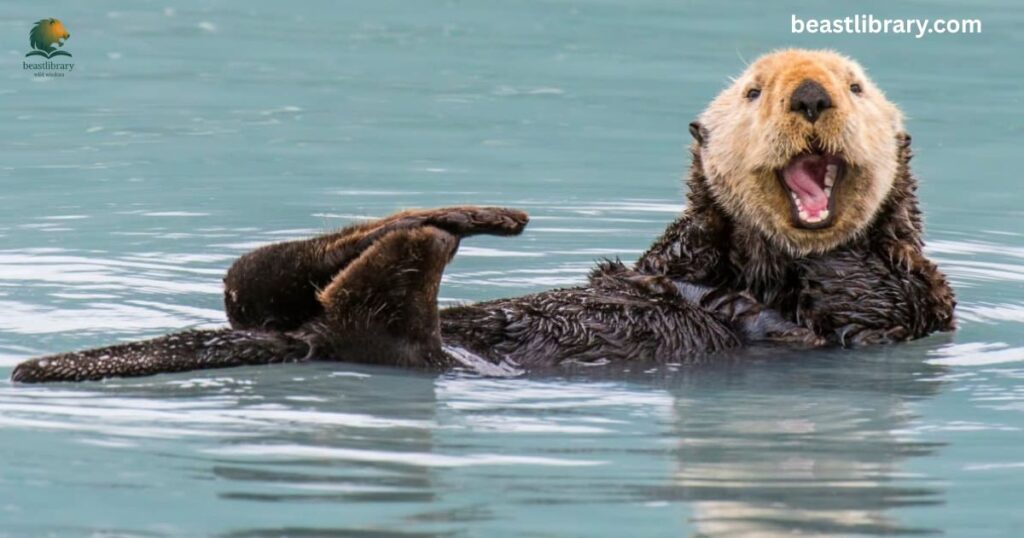
Sea otters are found in coastal waters that are cold. They exist in the North Pacific Ocean in the regions of Alaska, Russia, and California. The majority of their time is spent in water. They are chubby animals.
They feed on sea urchins, crabs, clams and snails. They have the rocks as the instruments of cracking shells. This action is not common among animals. Sea otters groom constantly. It is the perfect example of animal with thickest fur.
They reside in gangs known as rafts. Rafts are used to guard them against predators. In case of sleeping, they sometimes hold hands so that they do not wander. They have flippers and thick fur to shield them against cold water in the ocean.
Fun fact: A sea otter can have over one million hairs on its body.
10. Wolverine
Scientific Name: Gulo gulo
Class: Mammalia
Diet: Omnivore
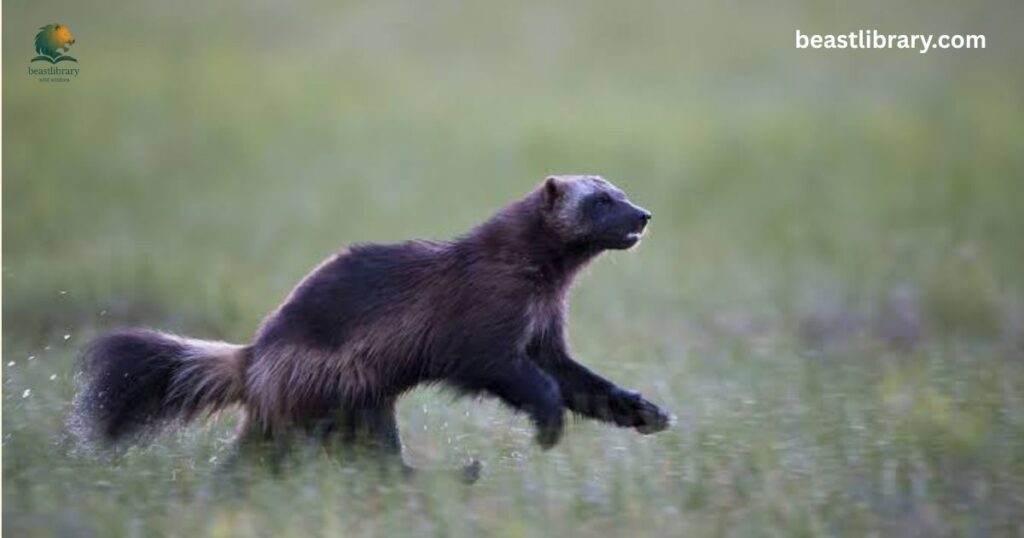
Wolverine inhabits cold parts of the Northern Hemisphere. They are located in Canada, Alaska, Scandinavia and Russia. They are like raccoons in forests. They need large areas to roam. . Wolverines are able to move at long distances over the snow.
Wolverines eat many foods. They prey on small animals and feed on bigger carcasses. They are greedy animal. They have strong claws & jaws, which help them to crunch frozen meat and bones. During the feeding in the cold weather, thick fur covers them.
Wolves do not like people, and they are not very easy to observe. Their communities are climate change sensitive. Less snow has an impact on their breeding patterns. The wolverines are cool-blooded creatures that are fearless and well adapted to the cold life in spite of their size.
Fun fact: Wolverines can scare off predators much larger than themselves.
11. Highland Cow
Scientific Name: Bos taurus
Class: Mammalia
Diet: Herbivore
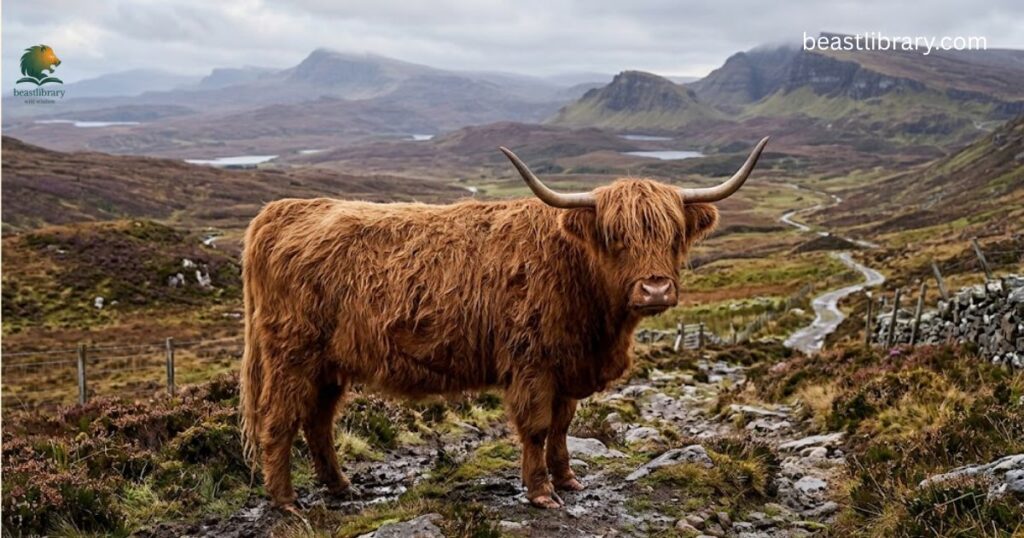
The Highland cow has been known to have long thick fur. This fur helps in keeping it warm against cold rain and wind. It has two layers. The outer layer sheds water. The inside layer maintains seclusion of heat.
These cows are of Scottish Highland. The weather in the area is cold and windy. Highland cows feed on grass and rough vegetation. Their heavy fur enables them to spend the night in the open all year round.
They possess long horns which they use to defend themselves and dig troughs in the snow. Their eyes are covered with thick fur that does not prevent them from seeing completely. It assists in protecting the face against the weather.
Fun fact: Highland cows can stay warm without needing heavy shelter in winter.
12. Harp Seal
Scientific Name: Pagophilus groenlandicus
Class: Mammalia
Diet: Carnivore
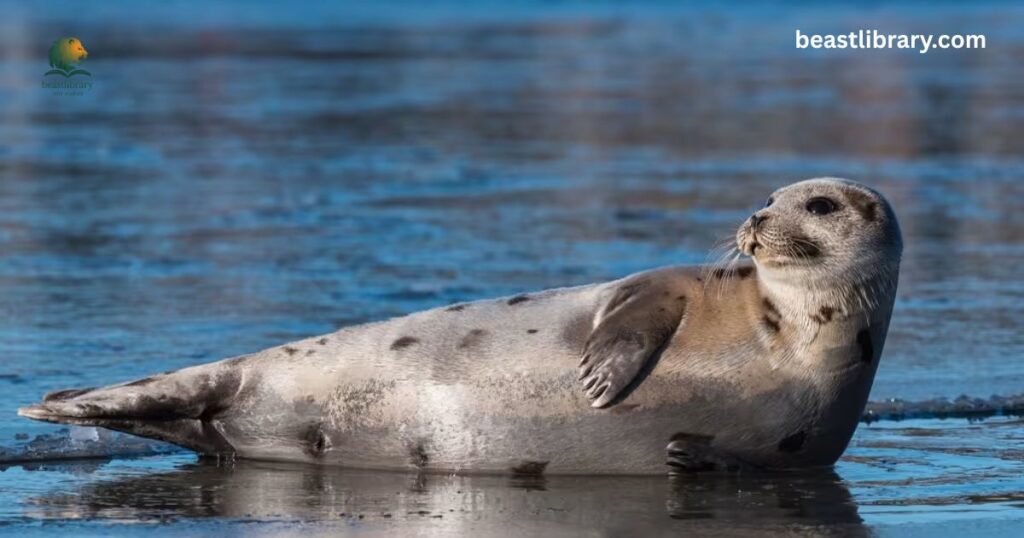
The harp seal found in icy north waters. It is animals that have fur in young age. Seal pups are born soft white in color. This fur helps them to stay warm on ice till they are able to swim properly. The white fur is changed to a darker one as they grow.
The harp seals inhabit the North Atlantic and the Arctic Oceans. They lie on sea ice and travel long distances in search of food. They feed on fish, shrimp, and little crustaceans. They also have sharp sight and are fast moving in their hunting underwater.
Their fur assists to minimize the loss of heat when they are lying on ice. In the early weeks of life, pups are very much reliant on fur. Pups are fed with fat milk by their mothers. This assists them to gain fat within a short period of time.
Fun fact: Baby harp seals are called whitecoats because of their fluffy fur.
13. Arctic Hare
Scientific Name: Lepus arcticus
Class: Mammalia
Diet: Herbivore
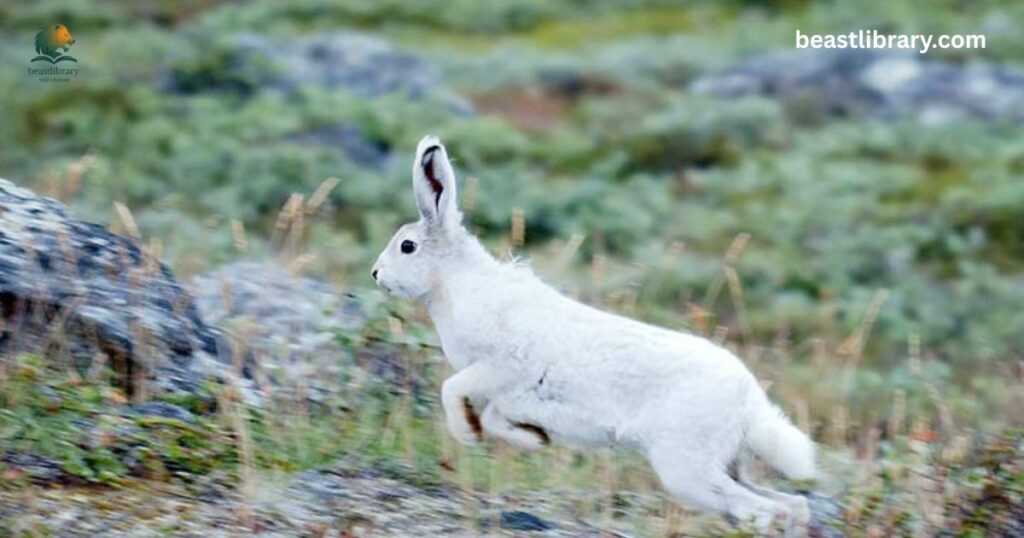
The Arctic Hare survives in the freezing cold with the help of thick, fluffy fur. This special coat acts like a heavy winter jacket, trapping heat inside and keeping out icy winds. In the winter, the fur turns completely white, helping the hare hide from predators in the deep snow.
The bottom of its paws is covered in dense fur, which acts like warm socks against the frozen ground. Animals with thick fur are to living in the cold what heavy winter jackets are to humans.
Fun fact: Arctic Hares can sprint up to 50 km/h by standing up and hopping on their long hind legs just like a tiny kangaroo.
14. Alaskan Malamute
Scientific Name: Canis lupus familiaris
Class: Mammalia
Diet: Omnivore
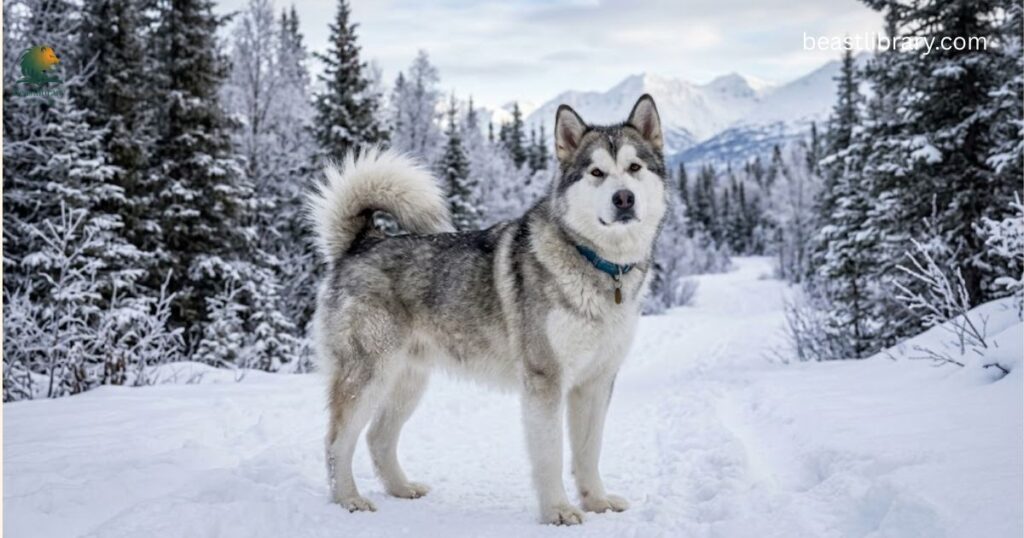
Alaskan Malamute is a cold climate working dog. This is made possible by its thick fur that keeps it alive when it is frozen. The coat has two layers. The outer layer blocks wind. The inner layer traps warmth.
Arctic natives created malamutes. They assisted in pulling sleds and hauling. These are powerful dogs which are not fast but strong and endurance made. They wear heavy fur that keeps them warm when they are working long hours in snow.
Fur on the paws prevents the feet against ice. When resting, their tails are rolled over the body. This helps keep the nose warm. Joints and muscles also are covered by dense fur. Malamutes do not work well in hot climates. Heat can stress them quickly.
Fun fact: Alaskan Malamutes can pull sleds weighing over 1,000 pounds.
15. Northern Red Fox
Scientific Name: Vulpes vulpes
Class: Mammalia
Diet: Omnivore
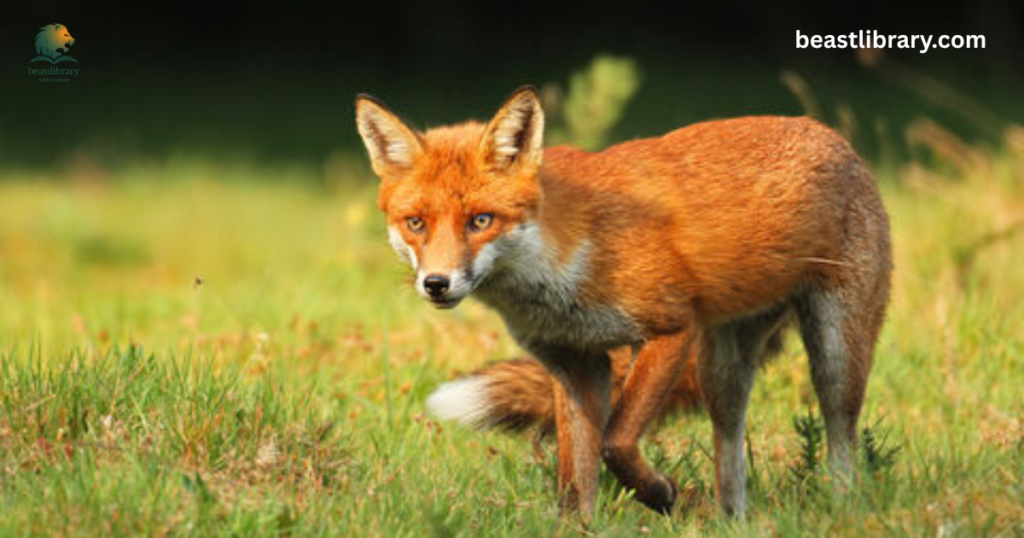
Northern red fox dwells in snowy cold areas. Its wide winter coat helps it to withstand freezing. The coat becomes thicker in the autumn and loses in the spring. Winter fur is longer and thicker than the summer fur.
These foxes are found in North America, Europe and Asia. They are both forest, tundra and open land adapters. They feed on rodents, birds, insects and plants. They also hear and jump in the snow to hunt and have bushy tail.
The body and the tail are covered with thick fur. The tail serves to balance and to keep warm. When resting, foxes enclose it with them. Fur is also used to hide in snows. Their fur is also thick and this makes them active even during winter. Hunting would not be easy without it.
Fun fact: A red fox can hear prey moving under thick snow.
16. Mountain Goat
Scientific Name: Oreamnos americanus
Class: Mammalia
Diet: Herbivore
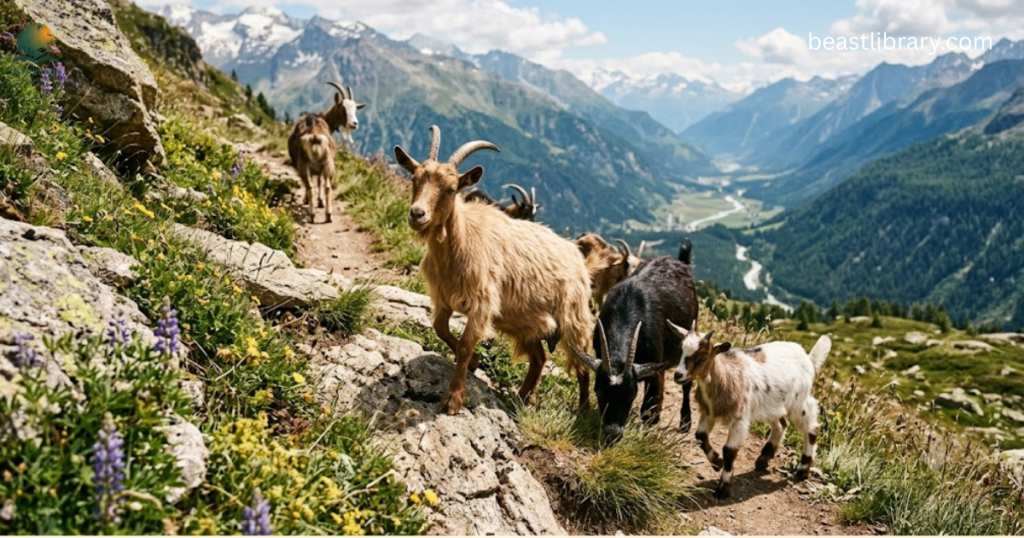
The mountain goat inhabits mountainous rocky areas. It is covered with thick fur to keep off cold wind and snow. During winter the coat is shaggy and long. It sheds heavily in spring. Goats that inhabit the North Americas are known as mountain goats.
Their hooves have rough pads. This assists them to hold rock surfaces. Heavy fur also means they are not cold on high altitudes since the temperatures plummet rapidly. There are insulating coats even on newborn babies.
Snow is not as effective a windbreaker as fur. Long hairs prevent the cold air on skin. This makes goats to survive extreme winters. The fur of the animals is thick and it reveals how animals adjust to extreme terrains and temperature.
Fun fact: Mountain goats can climb slopes steeper than 60 degrees.
Final Words
Animals with thick fur show how nature solves tough problems. Cold, wind and ice apply life to its extremes. Animals that have fur helps in hunting, breeding and surviving storms. It is important that thick fur animals be known as climate change. Saving their environment safes their future.
FAQs:
What animal has the thickest fur in the world?
The sea otter has the thickest fur, with more hair per square inch than any other animal.
Why do some animals have thicker fur than others?
Animals in colder regions develop thicker fur to reduce heat loss and protect their bodies from freezing temperatures.
Are animals with thick fur affected by climate change?
Yes. Warmer temperatures can disrupt fur cycles and reduce suitable habitats