Amazing 14 Animals That Live in Prairies: Images (Included)
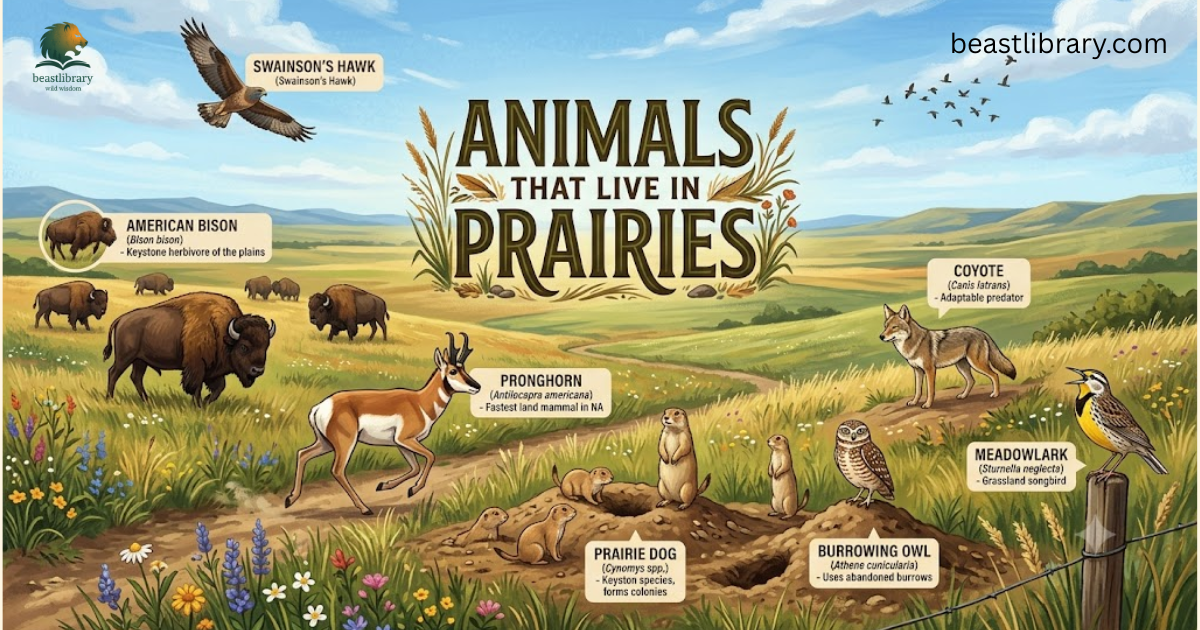
Animals that live in prairies have unique features that allow them to survive in environment. Prairies animals perform functions in their habitats, contributing to the ecological integrity of the ecosystem. Lets dive into prairie biome animals lifestyle.
List of Animals That Live in Prairie
Below is the list of Prairie biome animals & Pictures
- Prairie Vole
- Plains Zebra
- Prairie Dogs
- American Bison
- Pronghorns
- Deer
- Coyotes
- Mountain Lions
- Northern Grasshopper Mouse
- Elk
- Gray Wolf
- American Badger
- Black Footed Ferrets
- Meadowlark
1- Prairie Vole
Scientific name: Microtus ochrogaster
Class: Mammalia
Diet: Herbivore
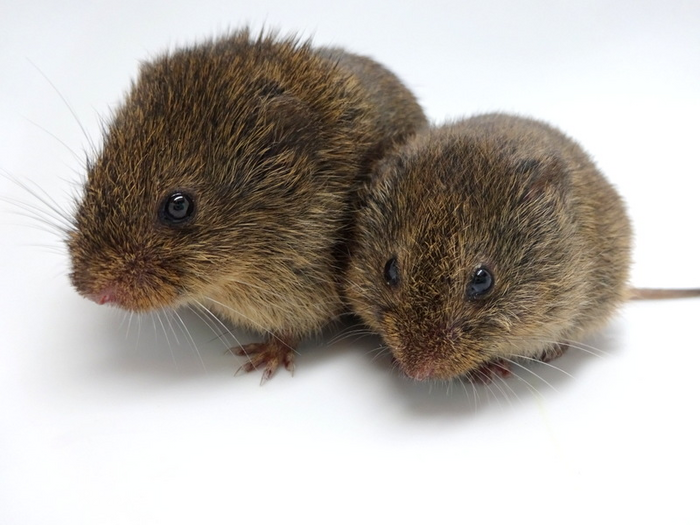
The prairie vole known by its more prominent rodent relatives, plays a pivotal function in the prairie ecosystem. These small, stocky creatures flourish in the open grasslands, where their adorable yet modest presence the prairies enriches tapestry.
Their pattern of excavation helps aerate through the soil and they serve as a essential food source for predators like hawks and snakes, helping to maintain the constant stability of their environment.
2- Plains Zebra
Scientific name: Equus quagga
Class: Mammalia
Diet: Herbivore
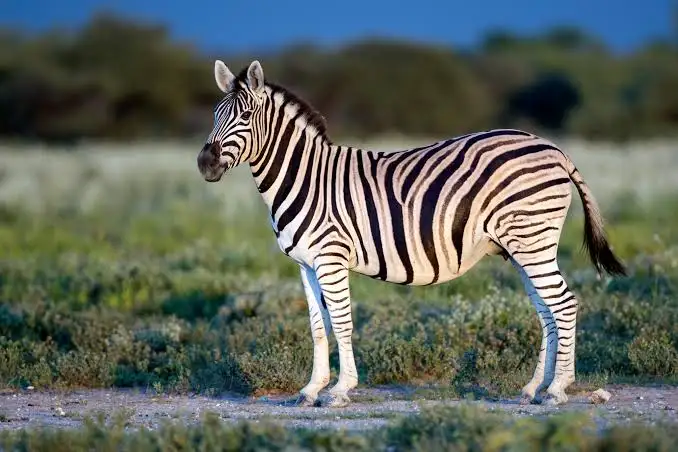
The plains zebra is striped distinctive figure of the African landscape, embodies the beauty and complexity of prairie ecosystems. Beyond the famous monochromatic strips which function as a ingenious defense against predators, these animals are highly sociable.
Living in herds, demonstrating compassion and synergy they exhibit strong bonds, especially during migrations a critical survival strategy against predators. As they roam the expansive savannahs in pursuit of sustenance and hydration, these zebras actively impact their habitat.
Their grazing habits help maintain grasses and prevent bush intrusion, fostering a balanced ecosystem. Their unique digestive system allows them to flourish on tough, showcasing nature’s adaptability.
3- Prairie Dogs– Animals that live in the Prairies
Scientific name: Cynomys
Class: Mammalia
Diet: Herbivore
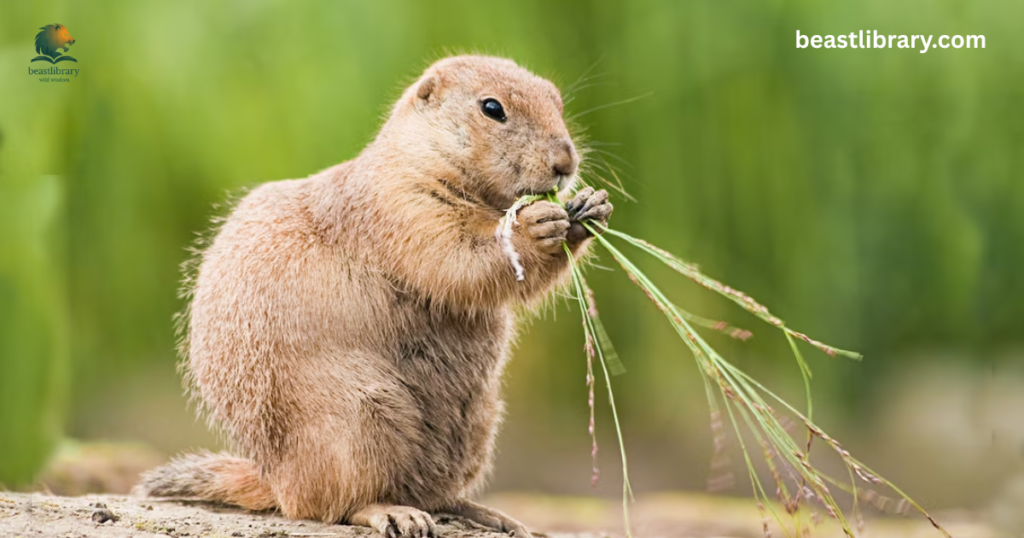
Prairie dogs are social creatures that play a pivotal role in the prairie ecosystem. They are short leg, living in vast grassland. They create elaborate tunnel systems that not only serve as homes for their families but also provide shelter for various other species.
These habitats sustain stables thermal conditions and moisture levels, serving as a sanctuary for minor mammals. prairie dogs contribute to the health of their environment, By oxygenating the soil as they dig, promoting plant growth and augmenting the overall biodiversity of the prairie.
Beyond their ecological significance, prairie dogs exhibit intriguing interpersonal dynamics that rival the social structures of certain primates. They sleep a lot and communicate with a sophisticated system of alarms and calls, each signifying different threats from aerial predators.
4- American Bison
Scientific name: Bison bison
Class: Mammalia
Diet: Herbivore
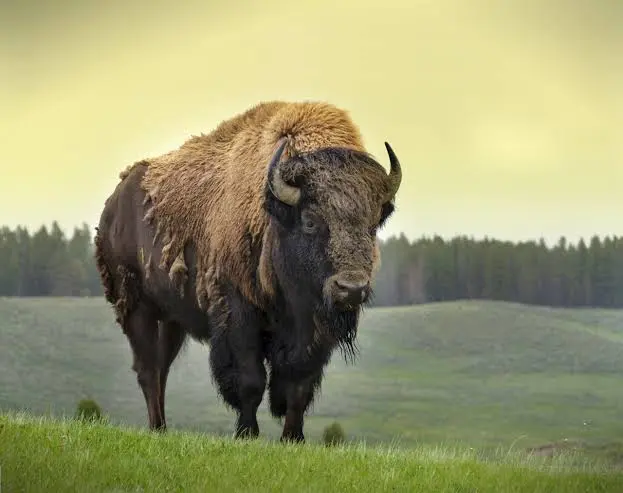
The American bison is horned animal widely known as icon of these colossal creatures can attain weight of up to 2000 pounds and prominent shoulder humps and readily identifiable by their heavy heads.
They are adapted to thrive in the grasslands where their strength allows them to traverse tough terrain and harsh weather. As ecosystem engineers, by grazing, they prevent plants from becoming overgrown, bison play a pivotal role in preserving the prairies.
5- Pronghorns
Scientific name: Antilocapra americana
Class: Mammalia
Diet: Herbivore
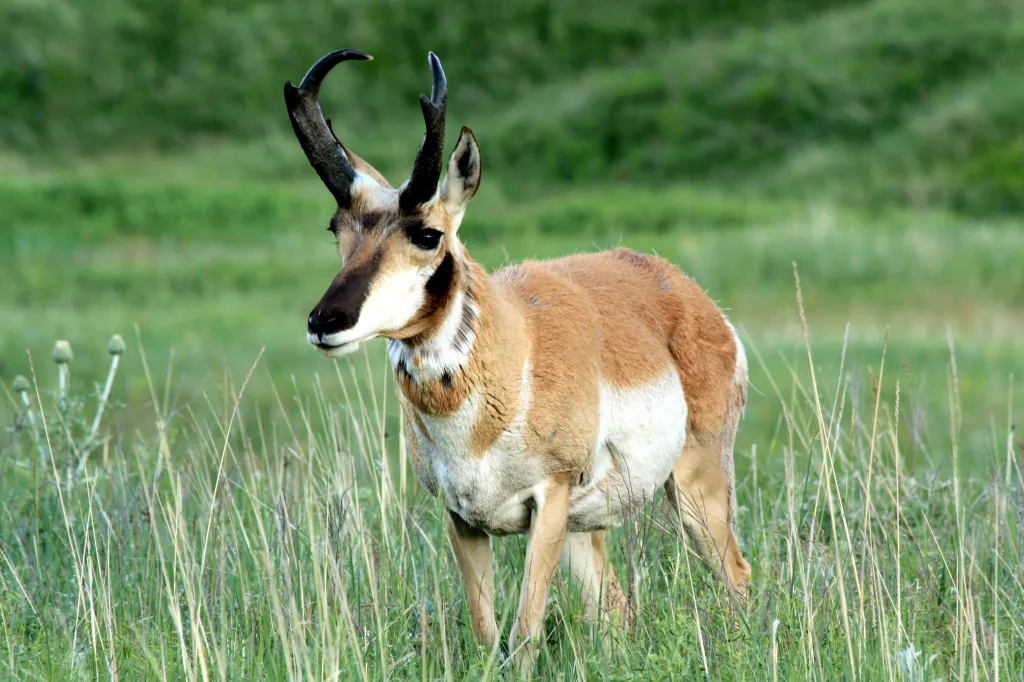
Pronghorns, often mistaken for antelope, are a captivating symbol of the North American prairie. Their amazing velocity hitting up to 55 miles per hour ranks them as the second swiftest land mammals on Earth, following only the cheetah.
This adaptability is a defense strategy against predators, allowing pronghorns to Pronghorns possess remarkable stamina, escape efficiently across vast grasslands. they can sustain their impressive pace over longer distances, which is vital in the open prairie where cover is limited.
What sets pronghorns apart is their speed & their adaptation to the prairie ecosystem. These animals have long horns and are endowed with unique digestive systems that allow them to thrive on a diet primarily consisting of tough, fibrous plants.
6- Deer – Animals that live in prairies
Scientific name: Cervidae
Class: Mammalia
Diet: Herbivore
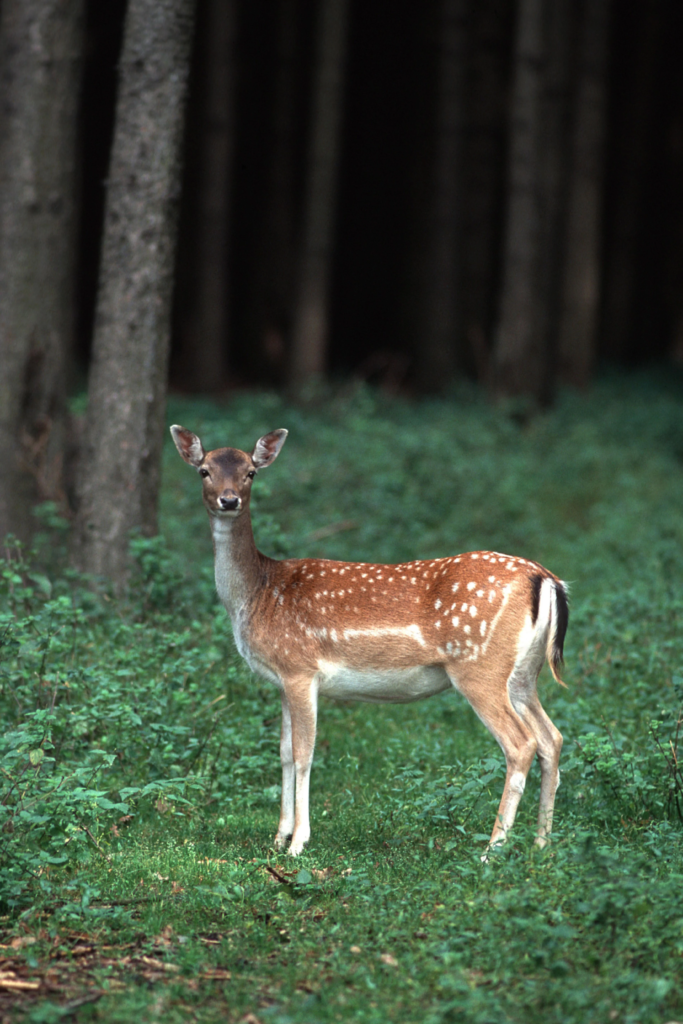
In the huge area of prairies, spotted deer are not just residents but essential players in the ecosystem. Specifically, the white tailed deer known for their elegant quickness and sharp eyes have evolved perfectly for life in these wide open spaces.
Their natural habitat reveals a delicate balance; even their searching for food habits promote growth in the prairie, as their grazing encourages the renewal of various plant life. their presence creates a beautiful balance, by grazing on local plants.
The relationship between these animals and prairie is a deep example of co-evolution. During the springtime, they take shelter in dense grass or thickets, highlighting the importance of vegetative cover not just for their protection but also for the overall biodiversity of the area.
7- Coyotes
Scientific name: Canis latrans
Class: Mammalia
Diet: Omnivore
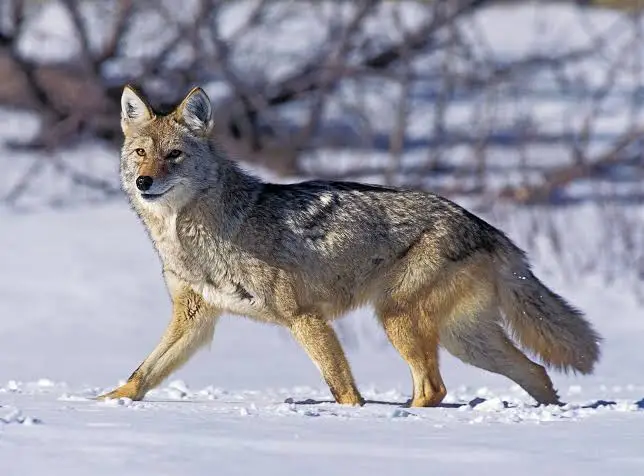
Coyotes has big ear renowned as the nimble survivors of the prairie ecosystem, are fascinating creatures that embody adaptability. equipped with sharp instincts and high intelligence, these animals thrive in a variety of setting, ranging from bustling cities to expansive nature fields.
Their auditory signals ranging from haunting howls to playful yips create a symphony of sound that echoes across the plains, marking their communicating with pack members. This ability to adjust ensures their own survival & also maintains the health of the prairie environment.
8- Mountain Lions
Scientific name: Puma concolor
Class: Mammalia
Diet: Carnivore
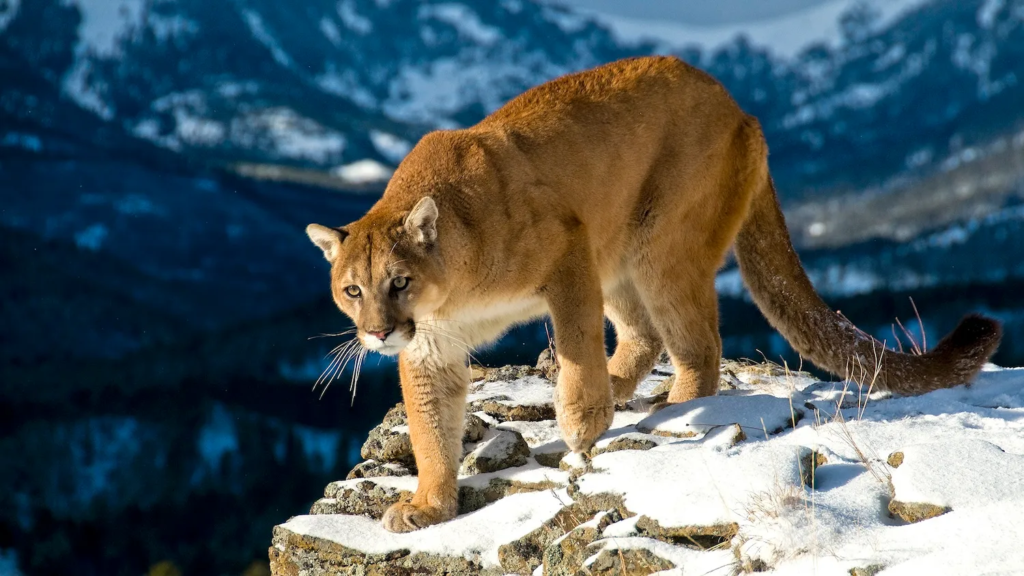
Mountain lions, also referred to cougars or pumas, are the furtive sentinels of the prairie ecosystem. These big cats flourish in open spaces, using their robust legs for rapid, silent locomotion across the grassy landscapes. They can see in dark.
They have a noteworthy ability to adjust, often hunting smaller mammals, which keeps the prairie food web in balance. Their understanding of territory is equally intriguing. Each maintains a extensive home range that overlaps with the territories of others.
Ensuring genetic diversity and the viability of the species. Unlike other large predators, mountain lions rely heavily on reclusive behavior, which makes their interactions with one another infrequent but critical during mating seasons.
9- Northern Grasshopper Mouse
Scientific name: Onychomys leucogaster
Class: Mammalia
Diet: Carnivore
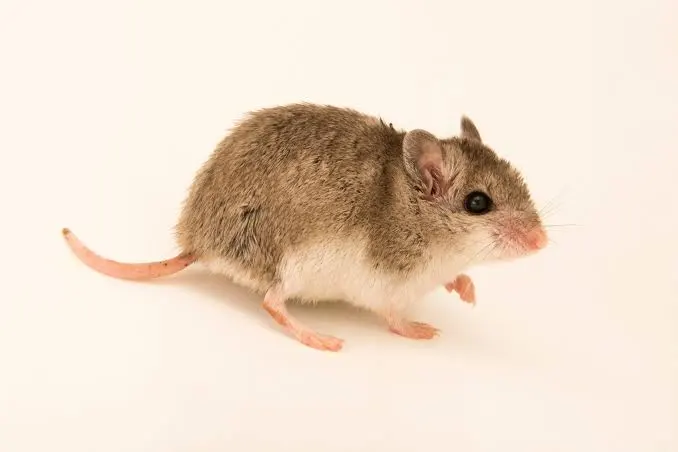
The Northern Grasshopper Mouse is an resident of the North American prairie ecosystem. It has unique blend flexibility and aggression. In contract to common rodents, this small scale meat primarily hunts insects caring out a specialized niche in the local ecosystem.
This vocal prowess not only aids in communication but also creates a sense of authority in an environment filled with potential competitors. What makes the Northern Grasshopper Mouse even more interesting is its amazing toughness.
During harsh winters, these mice rely on their burrowing skills to move through the frozen landscape, creating intricate underground networks for shelter and food storage. This behavior adds a advanced layer to their survival methods, making them resilient in a harsh environment.
10- Elk
Scientific name: Cervus canadensis
Class: Mammalia
Diet: Herbivore
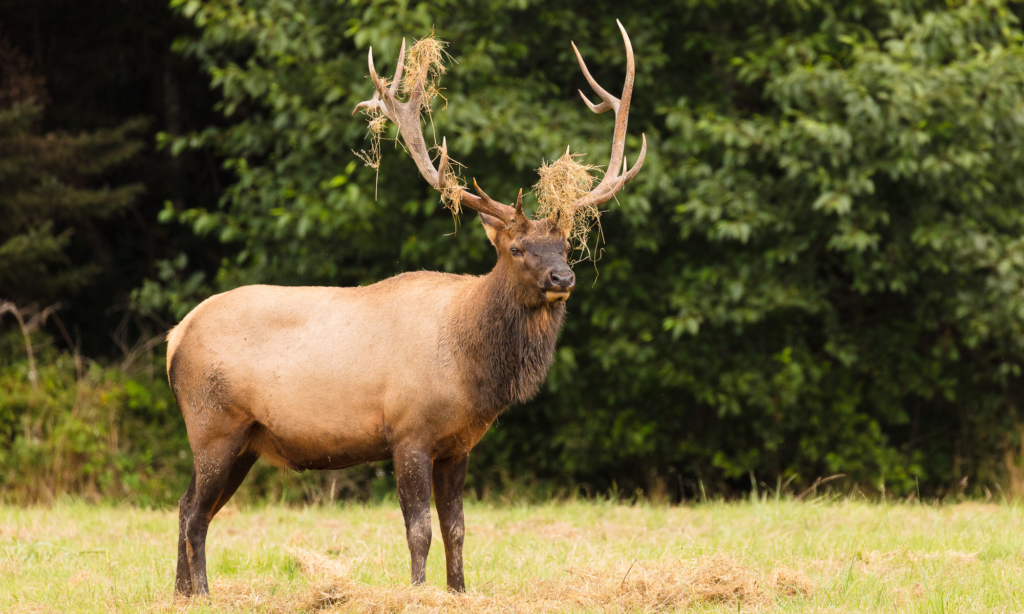
Elk is horned stately denizens of the prairie ecosystem. It offer a compelling look at the delicate equilibrium of nature. With their large, antlered silhouettes against the open sky, elk are not just to observe they play a pivotal role in maintaining the health of prairie habitats.
Their grazing habits help regulate the growth of grasses, promoting biodiversity by allowing a variety of plant species to thrive . This flourishing vegetation, in turn, provides essential nourishment and protection for a wide range of other animal species.
These interactions are not just about mating; they also strengthen social bonds that can lead to cooperative behaviors in foraging and predator evasion. In prairie landscapes. These herds exhibit adaptability, migrating in response to seasonal changes and food availability.
11- Gray Wolf
Scientific name: Canis lupus
Class: Mammalia
Diet: Carnivore
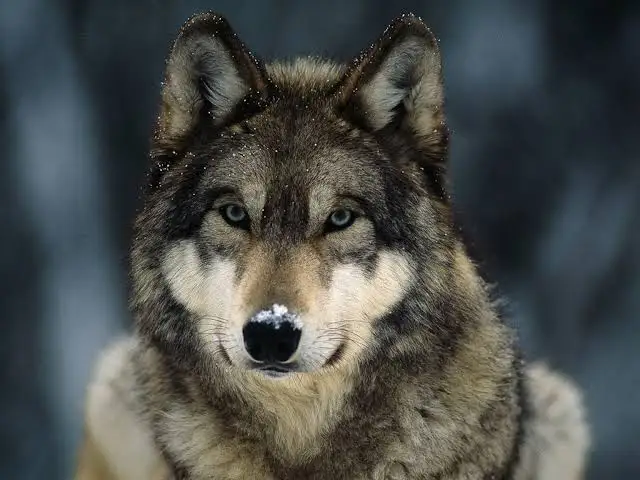
The gray wolf prairie landscape animal. It plays a fundamental capacity in sustaining the ecological balance. Functioning as top tier predator, they moderate the populations of grazers like deer, which mitigates the destruction of plant life and promotes lush vegetation.
Each pack works together to hunt and raise their young, exemplifying their intelligence and teamwork. Every member of the group collaborates to hunt and nurture their offspring, demonstrating impressive collective intelligence.
The howl of a gray wolf reverberates across the open prairies, not merely as a mechanism of communication but as a evocative reminder of the wildness that still exists in our rapidly changing world.
12- American Badger
Scientific name: Taxidea taxus
Class: Mammalia
Diet: Carnivore
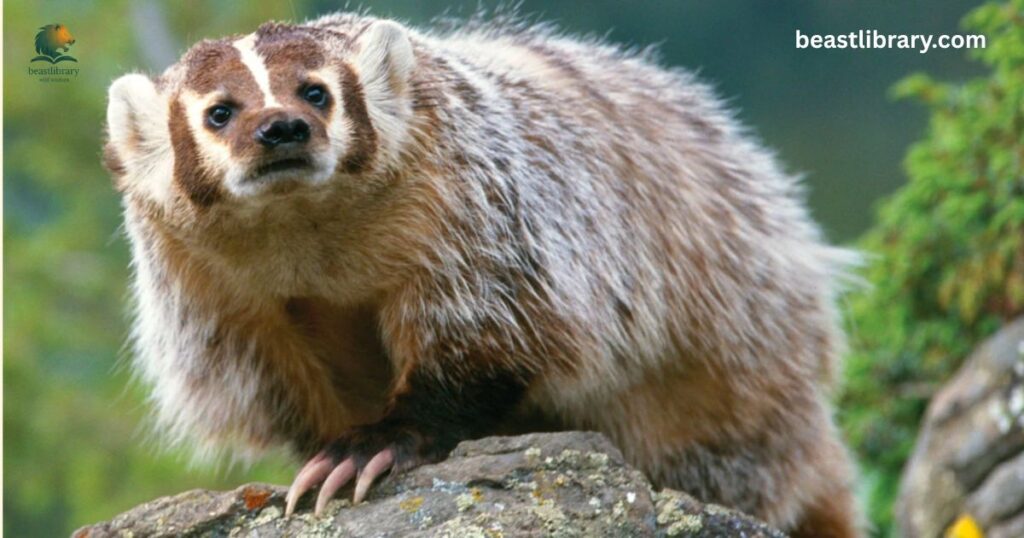
The American Badger is a powerful predator and well known species when highlighting prairie biome animals on wildlife. It has long, razor-sharp claws. This master digger easily hollows out underground dens and unearths burrowing rodents like prairie dogs.
It plays a vital role in maintaining the balance of the ecosystem by controlling pest populations and leaving behind empty burrows. That provide crucial shelter for other prairie biome animals.
13- Black Footed Ferrets
Scientific name: Mustela nigripes
Class: Mammalia
Diet: Carnivore
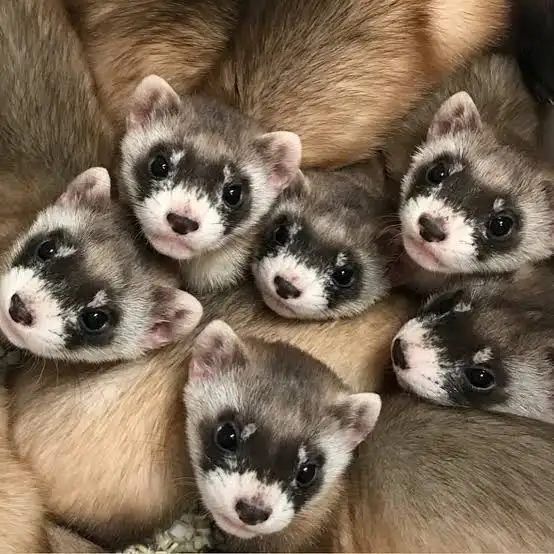
The black footed ferret, a compact but aggressive predator, plays a pivotal role in the prairie ecosystem. predominantly found in North America, these night active animals depend heavily on prairie dog habitats to subsist prairie dogs leave behind.
They don’t just hunt prairie dogs for food, they also live in the tunnels that prairie dogs leave behind. This elaborate symbiosis exemplifies the delicate balance of prairie habitats, where the diminution of prairie dogs can directly endanger the ferrets.
Their sleek, agile bodies are designed for stealth and speed, enabling them to maneuver the complex tunnel systems of prairie dogs. Protection programs have done a lot to help their numbers grow, showing how working together can restore a species and heal the whole.
14- Meadowlark
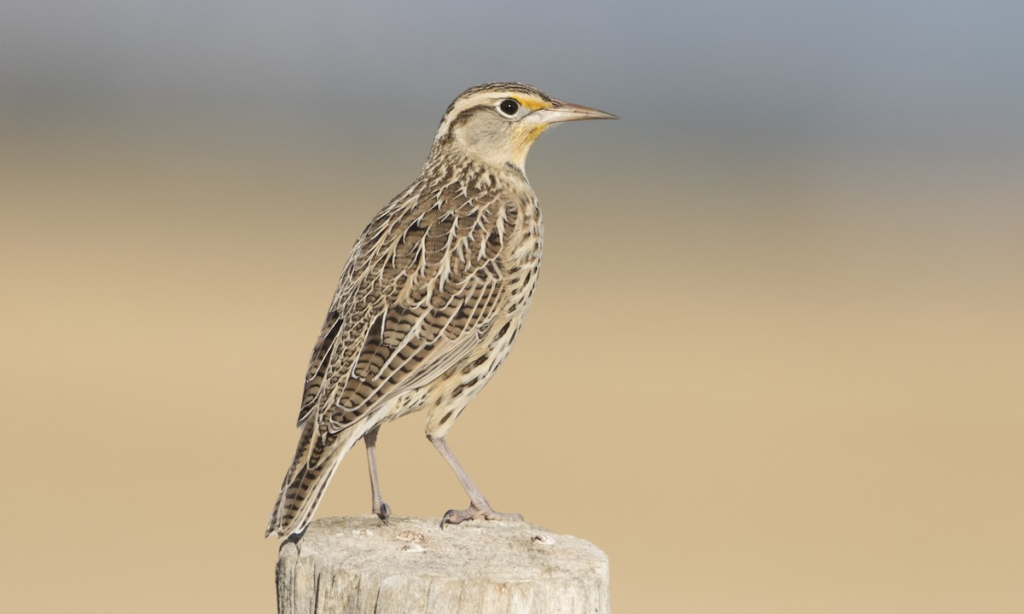
Beyond their musical talent, meadowlarks are masters of survival in the huge prairies. They are highly resilient prairie dwellers. When threatened, they often use a clever strategy: rather than taking flight immediately, they remain motionless, blending smoothly into the landscape.
This expert level camouflage highlights how they have adapted to survive in a stunning yet dangerous environment. Their songs serve multiple purposes, from attracting mates to declaring territory, and they have the amazing ability to mimic the calls of other birds.
The meadowlark, with its striking yellow belly and melodic song, is a classic prairie inhabitant. This small bird thrives in the open grasslands, where its clear, flute like notes echo through the air, adding a beautiful soundtrack to the swirling grasses.
Final Words
Animals that live in prairies perform vital ecological roles but face growing threats like habitat loss and climate change. Studying these species highlights the vital need for animal prairies hospital conservation efforts to protect their natural habitats.
FAQs
What animals live in the prairie?
Prairies are home to many animals such as bison, prairie dogs, foxes, rabbits, hawks, and snakes. These grasslands provide food and shelter for many species.
How do prairie animals survive in open grasslands?
Prairie animals survive by using burrows, speed, camouflage, and sharp senses to avoid predators and extreme weather conditions.
What are 4 animals that live in the grassland ?
Five iconic animals that live in the prairie grassland are the American bison, pronghorn antelope, prairie dog and red kangaroo.