Top 18 Animals with Stripes: Facts, Habitat & Pictures
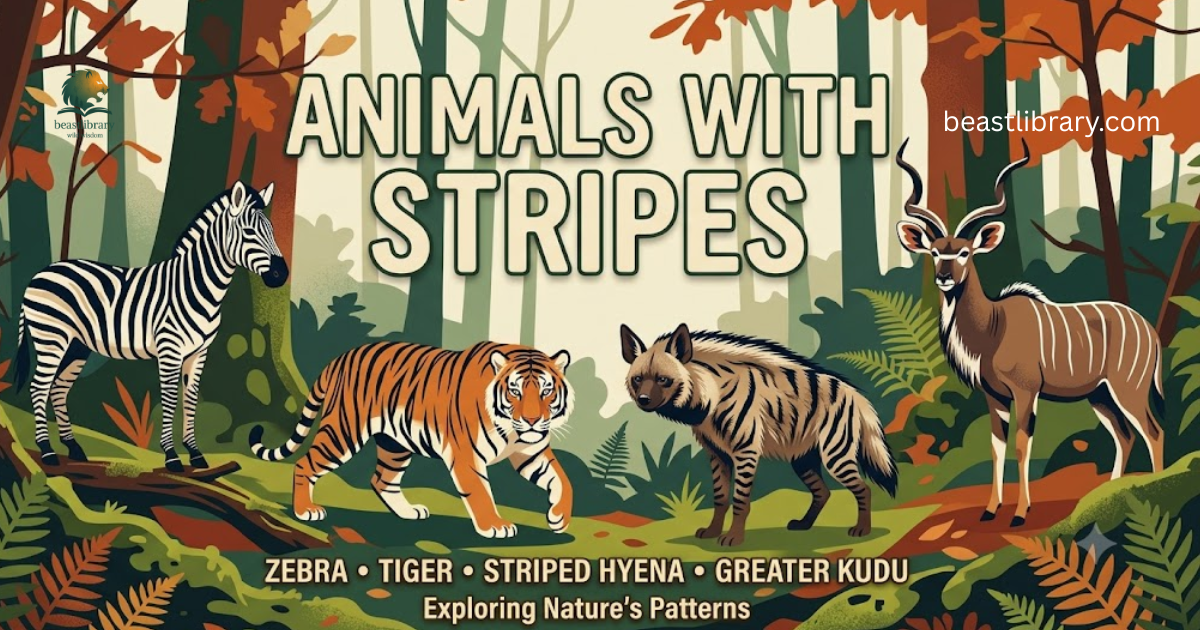
Animals with Stripes are considered energy animals because of their constant activity and quick movements. Stripes help animals recognize their group members and hide in their surroundings. Here you will see animals with stripes pictures, scientific name, diet, class, behavior and habitat.
Detailed Animals with Stripes List
| Rank | Common Name | Scientific Name | Class | Primary Habitat |
| 1 | Tiger | Panthera tigris | Mammalia | Forests, grasslands |
| 2 | Zebra | Equus quagga | Mammalia | African savannas |
| 3 | Okapi | Okapia johnstoni | Mammalia | Congo rainforests |
| 4 | Banded Mongoose | Mungos mungo | Mammalia | African woodlands |
| 5 | Striped Hyena | Hyaena hyaena | Mammalia | Dry regions |
| 6 | Bengal Cat (wild type) | Prionailurus bengalensis | Mammalia | Asian forests |
| 7 | Ring-tailed Lemur | Lemur catta | Mammalia | Madagascar |
| 8 | Striped Skunk | Mephitis mephitis | Mammalia | North America |
| 9 | Coral Snake | Micrurus fulvius | Reptilia | Forest floors |
| 10 | Tiger Salamander | Ambystoma tigrinum | Amphibia | Wetlands |
| 11 | Clownfish | Amphiprion ocellaris | Actinopterygii | Coral reefs |
| 12 | Convict Tang | Acanthurus triostegus | Actinopterygii | Tropical oceans |
| 13 | Bumblebee | Bombus terrestris | Insecta | Meadows |
| 14 | Striped Dolphin | Stenella coeruleoalba | Mammalia | Open oceans |
| 15 | Chipmunk | Tamias striatus | Mammalia | Forest edges |
| 16 | Malayan Tapir | Tapirus indicus | Mammalia | Southeast Asia |
| 17 | Striped Marlin | Kajikia audax | Actinopterygii | Pacific Ocean |
| 18 | Numbat | Myrmecobius fasciatus | Mammalia | Western Australia |
1- Tiger– Animals with Stripes
Scientific Name: Panthera tigris
Class: Mammalia
Diet: Carnivore
Range Map: South and Southeast Asia including India, Nepal, Russia, and Indonesia.
Habitat: Forests, mangroves, grasslands, and cold woodland.
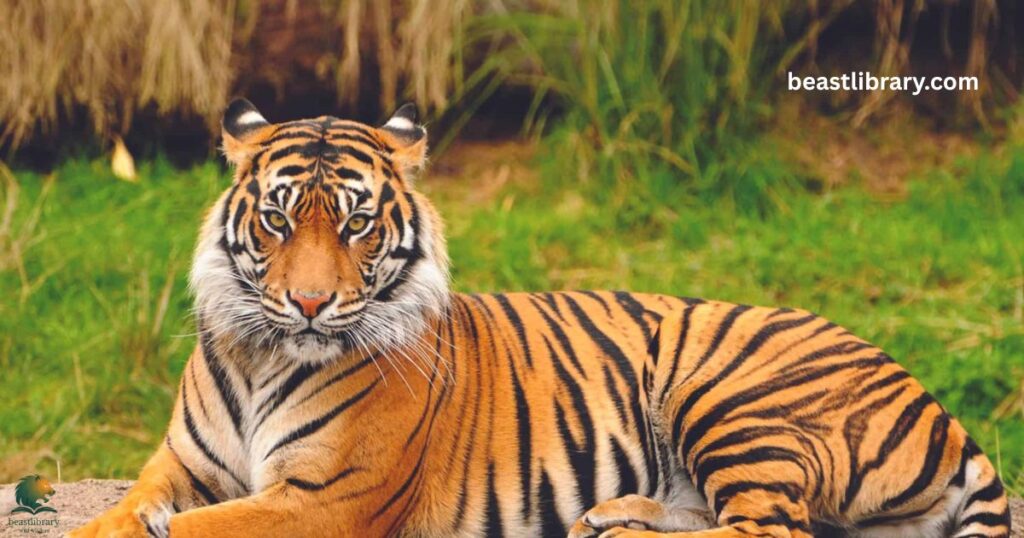
Tigers are sneaky animals having stripes on back. This powerful comparison may seem surprising, but unlike a small monkey, tigers rely on hiding quietly instead of speed. They have sharp claws and their black stripes break up the outline when light filters through trees.
They are strong swimmers and is deadly animal with sharp teeth hunt deer, wild pigs, or buffalos by sneaking near and striking fast. Cub stayed with mum for about two years learning to stalk. Wild numbers of this growled animal have dropped from illegal hunting and habitat loss.
Fun Fact: A tiger’s skin carries the same stripes under the fur.
2- Zebra
Scientific Name: Equus quagga
Class: Mammalia
Diet: Herbivore
Range Map: Eastern and Southern Africa.
Habitat: Savannas, grasslands, and woodland edges.
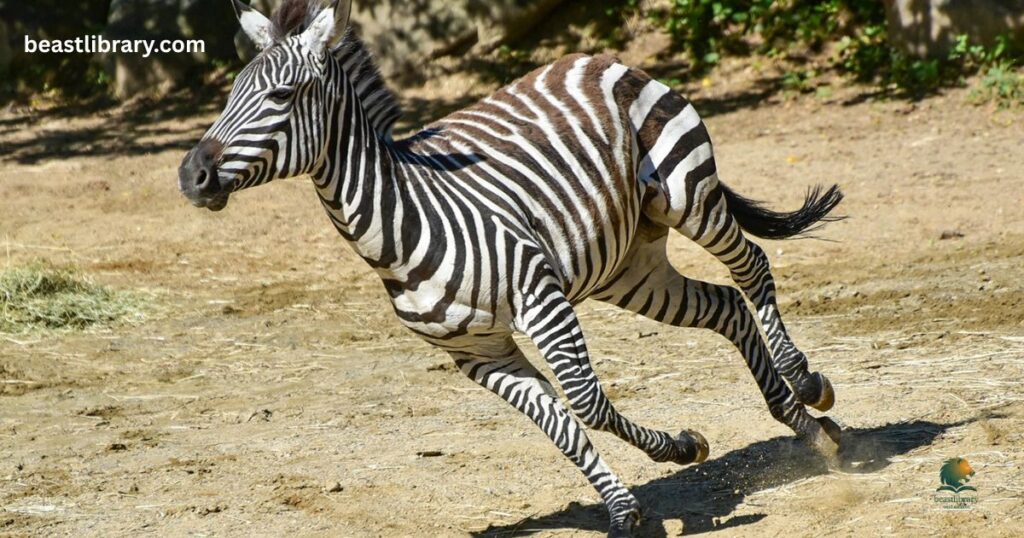
Zebras are known for the black and white stripes. They are hooved animals and graze most of the day, move seasonally for food and water. In a group guided by a male, they gather when in danger. The shifting stripes confuse predators like lions. Stripes may also discourage biting flies.
They communicate with sounds and ear positions and run up to 65km/h. Because of their constant movement, zebras are considered energetic animals. Newborns stand within an hour and quickly identify their mother’s stripes. They live in Prairies grassland.
Fun Fact: Even the neck hair follows the stripe pattern.
3- Okapi
Scientific Name: Okapia johnstoni
Class: Mammalia
Diet: Herbivore
Range Map: Democratic Republic of Congo.
Habitat: Dense rainforest.
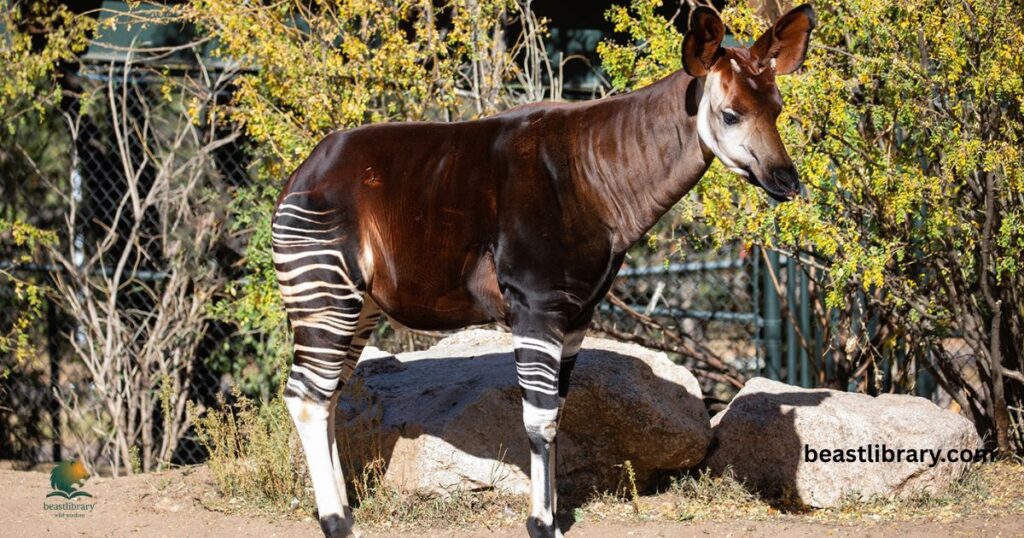
Okapis look like small giraffes with zebra style stripes on leg. Calves find mothers on the shady forest floor using those stripes. They are the giraffe’s only living cousin, using a long tongue for leaves, fruit, buds and fungi.
They have long neck, live alone, mark areas with smell and speak softly. Habitat loss threatens them so protected reserves give wild groups a chance. They are found in grassland of wild.
Fun Fact: Western science first learned of them in 1901.
4- Banded Mongoose
Scientific Name: Mungos mungo
Class: Mammalia
Diet: Omnivore
Range Map: Sub-Saharan Africa.
Habitat: Woodlands, savannas, and grasslands.
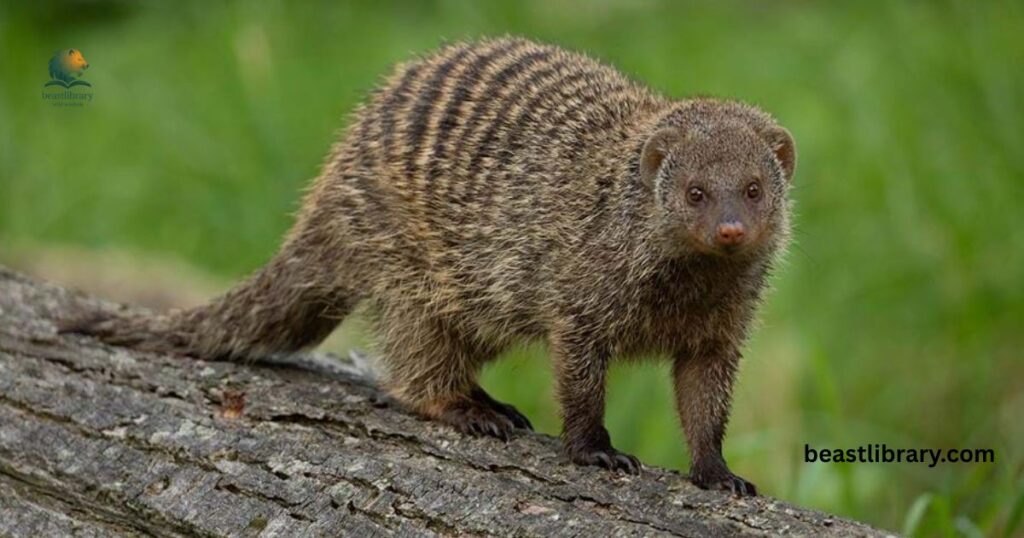
Banded mongooses live in groups up to fifty that sleep, hunt and care for babies together. By day they eat insects, seeds and fruit. Their back stripes help members tell each other apart, not for hiding. Unlike a small monkey, mongooses are highly social and work together to survive.
Fun Fact: They can handle venomous snakes (poison snakes) safely, and that their immunity helps protect the group during hunts.
5- Striped Hyena– Animals with stripes
Scientific Name: Hyaena hyaena
Class: Mammalia
Diet: Carnivore
Range Map: North Africa, Middle East, and South Asia.
Habitat: Dry plains, scrublands, and semi-deserts.
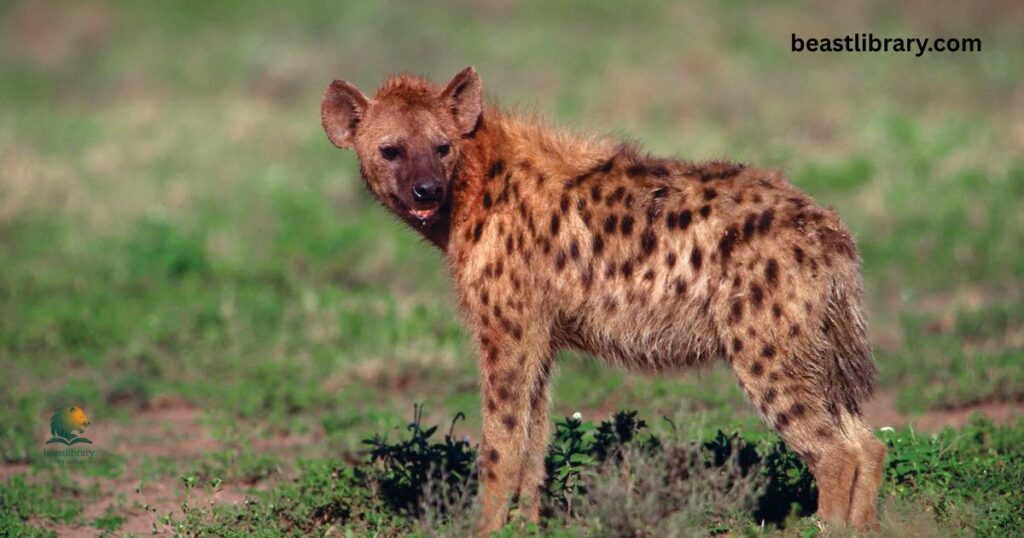
Striped hyenas wear light gray fur marked by dark stripes. They live in savannas and their diet covers dead animals, bones, fruits and leftovers. Strong bites split bones open. Shy animals, they live alone or in small families, they growl and talking through smell, calls and gestures.
Fun Fact: They can digest nearly an entire dead body, including hair and skin.
6- Ring-tailed Lemur
Scientific Name: Lemur catta
Class: Mammalia
Diet: Omnivore
Range Map: Southern and southwestern Madagascar.
Habitat: Dry forests, scrub, and gallery forests.
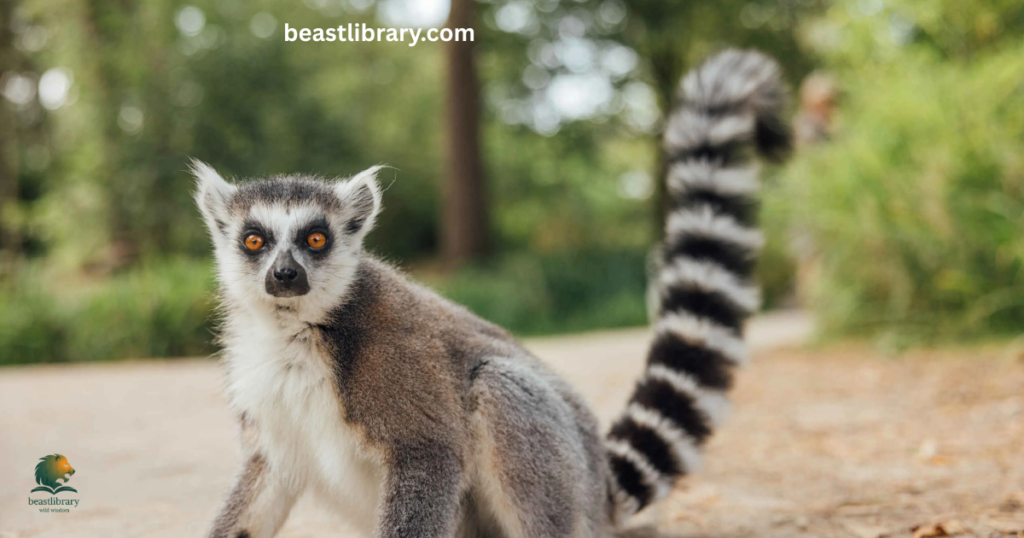
Ring-tailed lemurs have black and white striped tails held high while moving, guiding their groups. They have big eyes and live in groups of about thirty, active by day, eating fruits and insects. They have curled tail and males wave tails in breeding shows.
Fun Fact: Their tails can grow twice as long as their bodies, making them easy to spot.
7- Bengal Cat (Wild Type)
Range Map: South and Southeast Asia, including India, Nepal, China, and Indonesia.
Habitat: Tropical forests, grasslands, and mangroves.
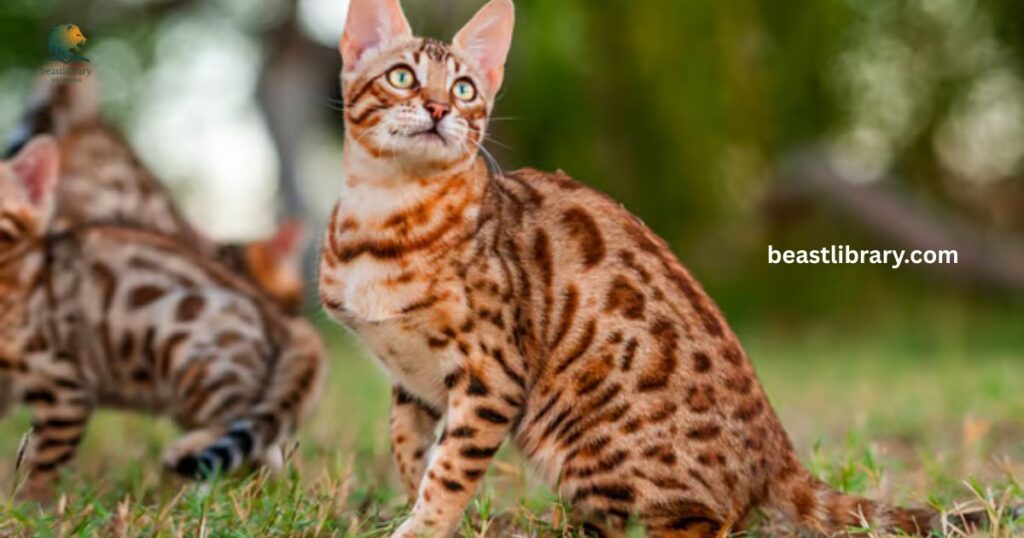
Wild Bengal cats are stubborn small and quick, covered with spots or stripes that hide them in thick plants. Dark face and leg stripes break up their shape. They hunt alone at night, catching small mammals, birds, frogs and insects by surprise attacks.
They are good swimmers and climbers and are considered energetic animals because of their active hunting and playful behavior. They like forest borders near water.
Fun Fact: They regularly swim to hunt frogs and fish, unlike most house cats.
8- Striped Skunk
Scientific Name: Mephitis mephitis
Class: Mammalia
Diet: Omnivore
Range Map: North America, USA, Canada, and Mexico.
Habitat: Forest edges, grasslands, and urban areas.
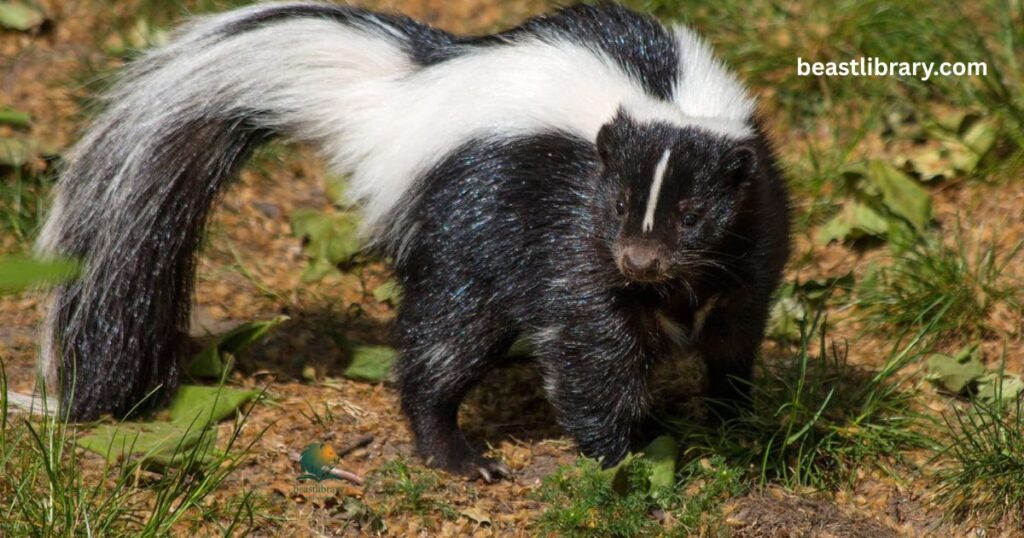
Striped skunks are small with black fur and white lines from head to tail,warning enemies.They search at night for insects,small mammals, fruits and plants, resting by day in nests. Mostly solitary animals,they warn danger by raising tails, hitting ground and releasing strong smells.
Fun Fact: Their smell reaches up to 3 meters, enough to ward off big predators.
9- Coral Snake
Scientific Name: Micrurus fulvius
Class: Reptilia
Diet: Carnivore
Range Map: Southeastern United States.
Habitat: Forest floors, sandy areas, and dense plants
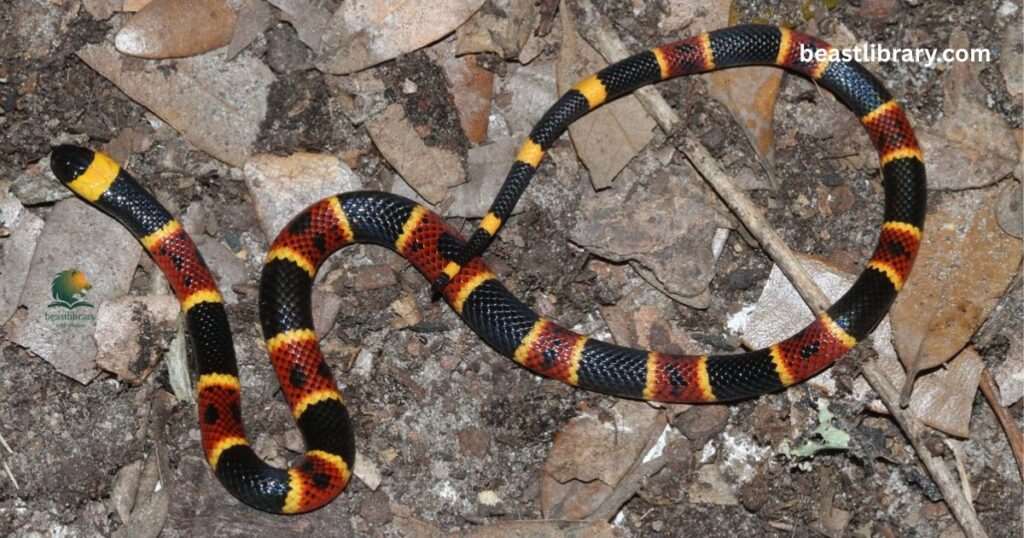
Coral snakes have bright red, yellow and black bands that warn predators of their toxin. They stay mostly underground or under leaves. Active at night, they hunt lizards, frogs and small snakes, using toxins to paralyze food. They rarely bite people.
Fun Fact: Remember “Red touches yellow, kills a fellow” to spot them from mimics that are not dangerous.
10- Tiger Salamander
Scientific Name: Ambystoma tigrinum
Class: Amphibia
Diet: Carnivore
Range Map: North America, from Canada to Mexico.
Habitat: Wetlands, grasslands, and forest ponds.
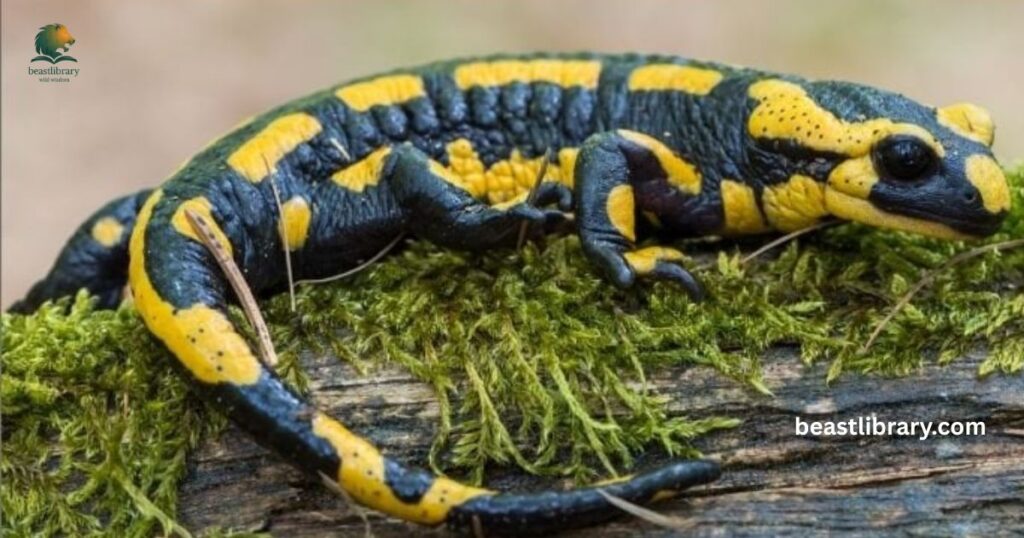
Tiger salamanders have dark stripes or marks on light bodies that help them blend into soil and leaves. Mostly active at night, they eat insects, worms and small amphibians. Youngs live in water, adults mostly on land, hiding in holes by day and have curled tail.
Fun Fact: Some can live over 20 years with peoples.
11- Clownfish
Scientific Name: Amphiprion ocellaris
Class: Actinopterygii
Diet: Omnivore
Range Map: Indian and western Pacific Oceans, Australia, Southeast Asia, and Japan.
Habitat: Coral reef, shallow lagoons.
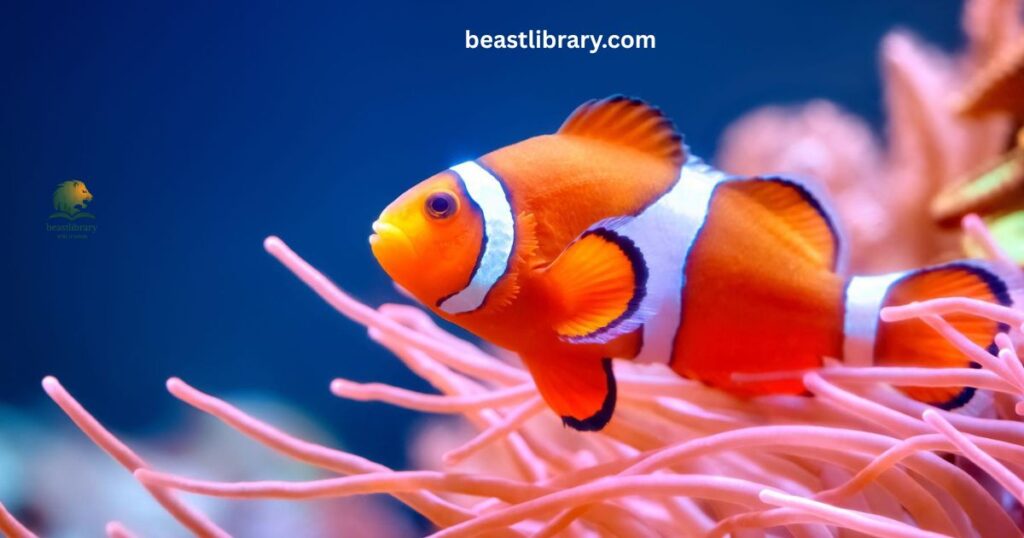
Clownfish are small, orange-white fish with stripes that mix into host tentacles. They live in small groups led by a female. When she dies, the top male turns into her. By day they hide in a host for safety, eating tiny invertebrates and algae.
Fun Fact: They can lay hundreds of eggs at once near their home.
12- Convict Tang
Scientific Name: Acanthurus triostegus
Class: Actinopterygii
Diet: Herbivore
Range Map: Tropical Pacific Ocean, including Hawaii, Fiji, and French Polynesia.
Habitat: Coral reefs and shallow lagoons.
Convict tangs are small fish with black stripes on light bodies, like prison uniforms. They eat algae, feeding in big groups that wander reefs day and night. Stripes blur their shape and confuse predators while schooling. They have sharp tail spines for defense.
Fun Fact: By eating algae they help keep coral healthy.
13- Bumblebee
Scientific Name: Bombus terrestris
Class: Insecta
Diet: Herbivore
Range Map: Europe, western Asia, and parts of North Africa.
Habitat: Meadows, gardens, and woodland edges.
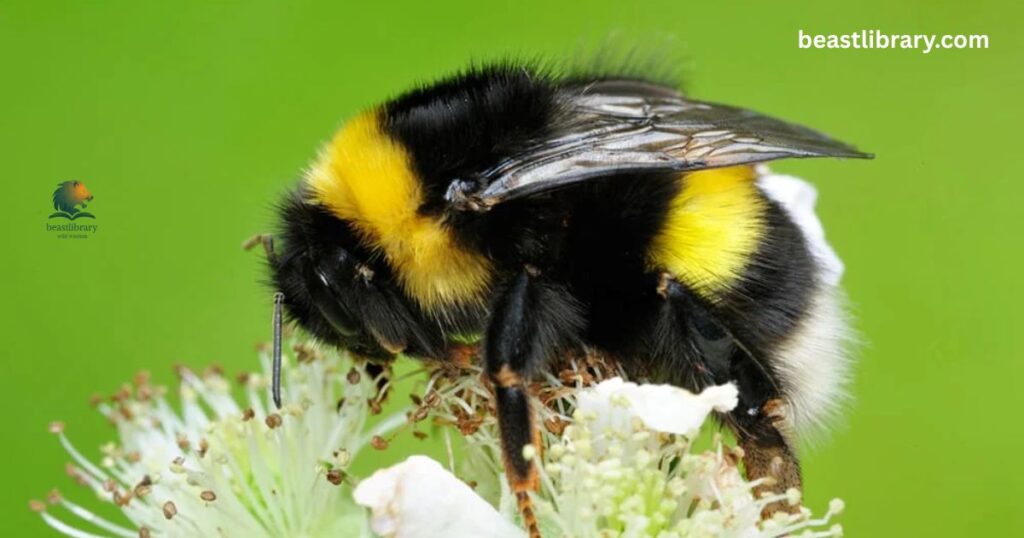
Bumblebees have black and yellow stripes that warn enemies of their sting. They feed on nectar and pollen, moving from flower to flower and helping pollination. Colonies nest in soil or old holes, workers care for young while the queen lays eggs.
Fun Fact: This lets them forage before most insects.
14. Striped Dolphin
Scientific Name: Stenella coeruleoalba
Class: Mammalia
Diet: Carnivore
Range Map: Temperate and tropical oceans worldwide.
Habitat: Open seas, continental shelves, and coastal waters.
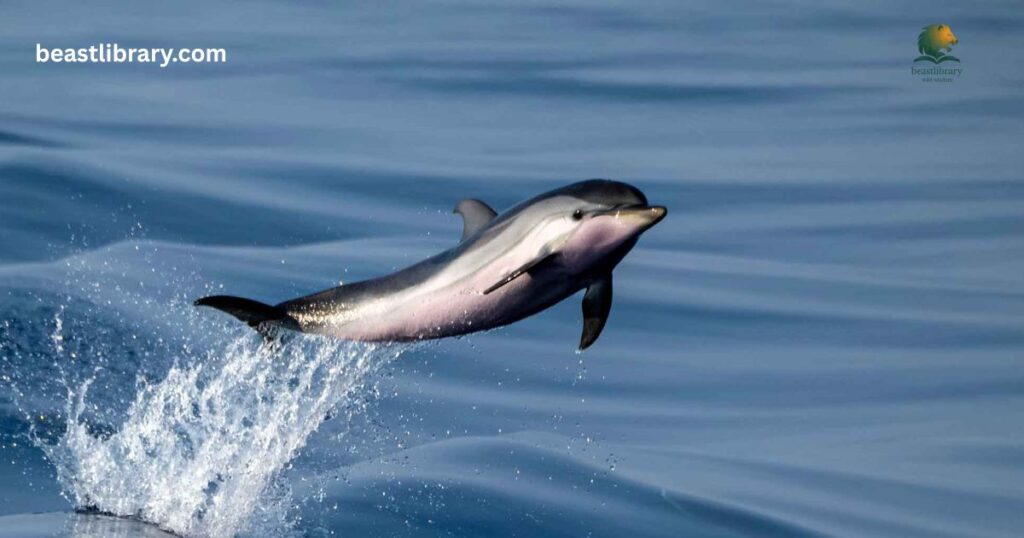
Striped dolphins have a alim, blue and gray body with white stripes that break up their outline in open water. They live in large groups and hunt fish and squid with clicks and whistles. They are fast swimmers, also they jump from waves and dodge sharks and killer whales.
Fun Fact: Their high spins help the group stay tight and practise team hunting.
15- Chipmunk
Scientific Name: Tamias striatus
Class: Mammalia
Diet: Omnivore
Range Map: Eastern North America, including the United States and Canada.
Habitat: Forest edges, gardens, and rocky areas.
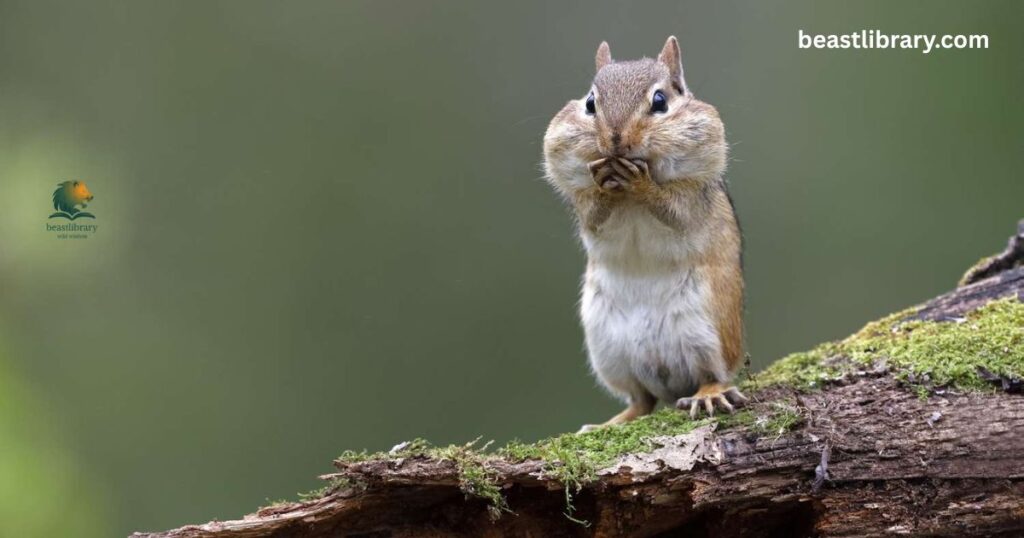
Chipmunks are small rodents with black, brown and white stripes that hide their outline among leaves and shadows. Active by day, they gather seeds, nuts, fruits, insects and fill cheek pouches for winter food. They live in tunnels with many rooms that block predators and bad weather.
Alert and quick, they climb trees and run fast to escape snakes, birds, foxes and cats. Some people confuse chipmunks with small monkey breeds because of their lively and playful behavior, but they are rodents.
Fun fact: They can run about 20km/h and dig paths with more than one entrance.
16- Malayan Tapir
Scientific Name: Tapirus indicus
Class: Mammalia
Diet: Herbivore
Range Map: Southeast Asia, including Malaysia, Thailand, and Sumatra.
Habitat: Tropical forests, wetlands, and grasslands.
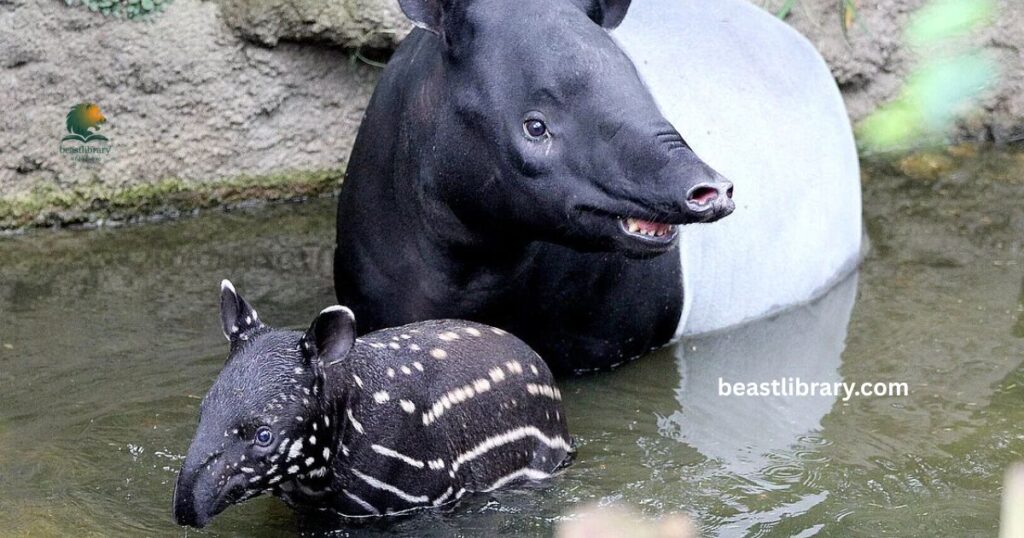
Malayan Tapirs are large mammals with black front and rear broken by a white mid section that looks like stripes and helps them mix into forest light and shadows. They live alone and feed at night on plants, leaves, fruits and shoots. Strong swimmers enter water to cool down or find food.
Fun Fact: Calves have spots and stripes that disappear as they grow and hiding them from predators.
17- Striped Marlin
Scientific Name: Kajikia audax
Class: Actinopterygii
Diet: Carnivore
Range Map: Pacific Ocean, including waters near Hawaii, Japan, and Australia.
Habitat: Open ocean, offshore deep waters.
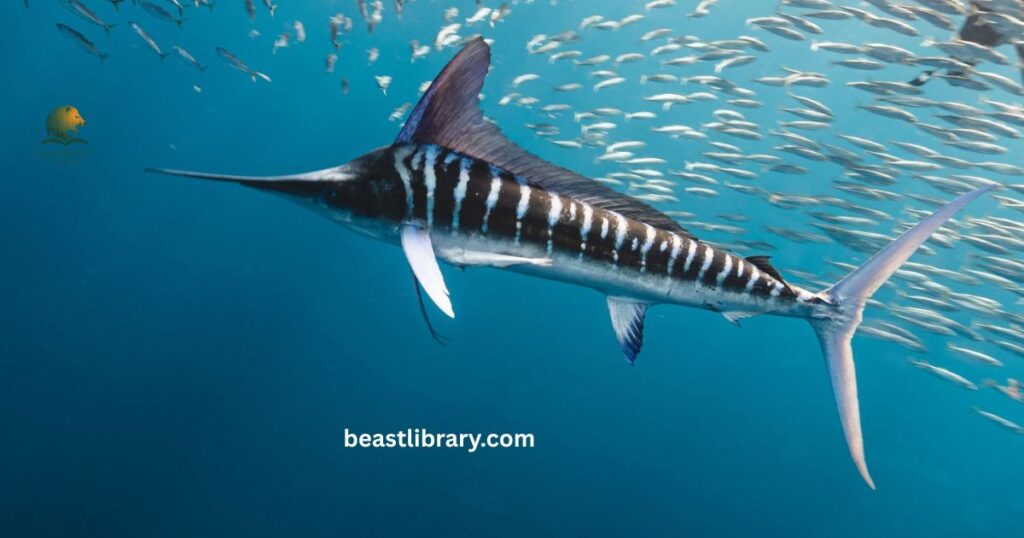
Striped Marlins are large fish with vertical blue stripes that break up their outline in bright water. They travel long distances, eating squid, small fish and crustaceans. Usually alone, and they sometimes gather to feed. They jump from the surface to help with hunting.
Fun Fact: They can swim up to 80 km/h, making them one of the ocean’s fastest fish.
18- Numbat
Scientific Name: Myrmecobius fasciatus
Class: Mammalia
Diet: Insectivore
Range Map: Southwestern Australia.
Habitat: Eucalypt forests, woodland, and scrubland.
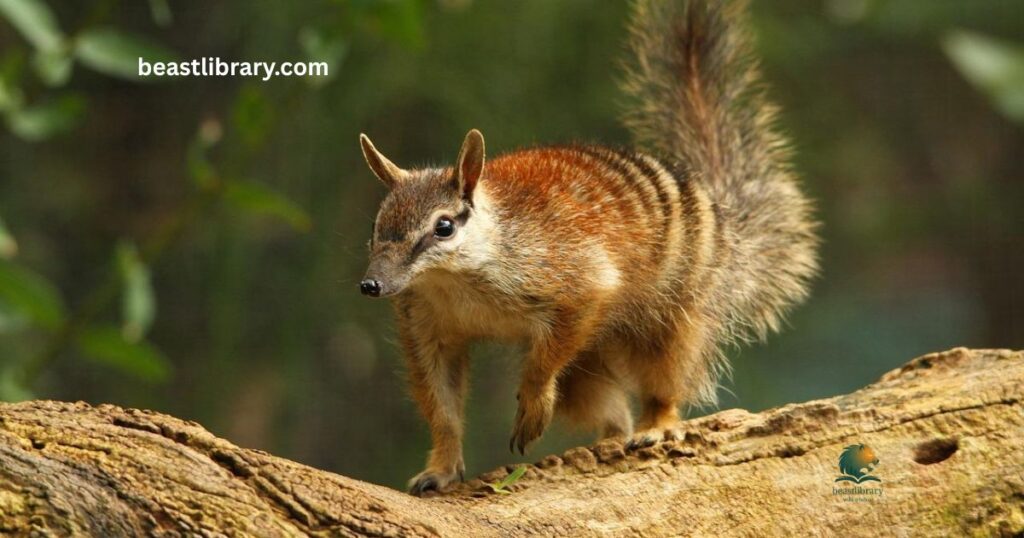
Numbats are small pouched mammals with radish and brown fur and white stripes on the back that break up their shape among forest shadows. Active by day , they eat termites using a sticky tongue. They rest in tree holes or burrows and live alone except when breeding.
Fun Fact: They can eat up to 20 thousand termites a day, and young hold on to their mother’s belly fur because she has no bag.
Summary:
Animals with stripes are simple patterns that help them to survive. Many animais que tem listras, such as zebras and tigers, use these markings to break up their body shape, confuse predators, warn of danger. Protecting striped wildlife saves whole ecosystems, keeping balance for both animals and us.
FAQs:
What are animals with stripes?
Animals with linear body patterns (stripes) formed by pigmentation or structural coloration.
Why do animals have stripes?
Stripes help animals hide, escape, stay healthy, or warn others.
Do stripes help animals avoid predators?
Yes. Studies on herd animals like the Zebra show stripes make it harder for predators to isolate individuals, especially in motion.
What is difference btw Stripes & Spots?
Stripes are long, narrow bands or lines of a different color or texture than the background material. Spots are small, distinct, and typically rounded marks or patches that stand out from the surrounding surface.
.