Top 22 Most Curious Animals (With Images)
Most Curious Animals showcase how often creatures in the animal kingdom challenge our understanding of behavior and cognition. some species stand out more than others. As you dive in, expect to uncover remarkable tales that will not only entertain but also inspire a greater appreciation for the wonders of nature.
List of Most Curious Animals
Below is the list of most curious animals in the world:
- Octopus
- Cats
- Puppies
- Elephant
- African Grey Parrot
- Monkeys
- Meerkats
- Toothfish
- Foxes
- Bushbabies
- Gorilla
- Raccoon
- Penguins
- Dolphins
- Squirrel
- Otters
- Giraffes
- Axolotl
- Crows
- Platypus
- Hamster
- Spider
1- Octopus: Most Curious Animals
Scientific Name: Octopus vulgaris
Class: Cephalopoda
Diet: Carnivore
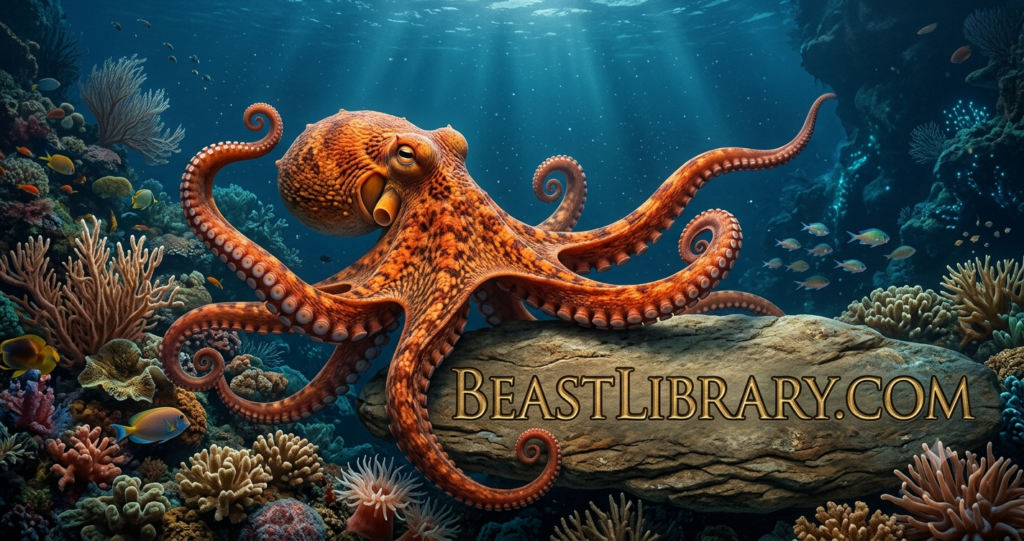
The octopus is a master of adaptability, demonstrating a remarkable ability to navigate its surroundings with both grace and ingenuity. Lacking a rigid skeleton, these creatures can contort their bodies to squeeze through the tiniest of crevices, showcasing a flexibility that is breathtaking to observe.
In addition to their physical agility, octopuses possess a sophisticated neural network distributed throughout their arms, allowing them to manipulate objects and explore the ocean floor with astonishing precision. This decentralized nervous system enables them not only to multitask effectively but also to react quickly to changes in their environment.
2- Cats
Scientific Name: Felis catus
Class: Mammalia
Diet: Carnivore
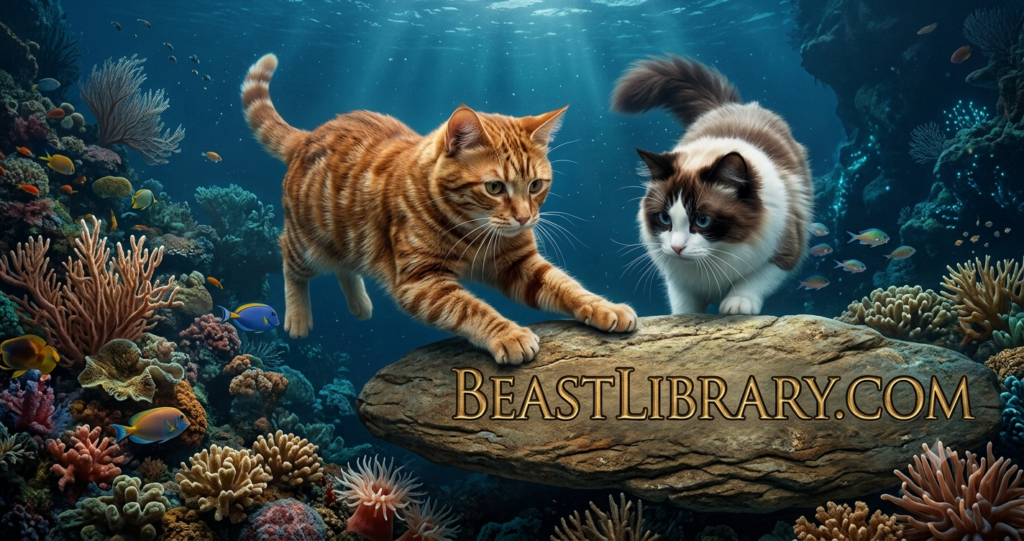
Cats are the ultimate masters of flexibility, both in body and spirit. Their unique skeletal structure allows them to twist and turn in ways that seem almost magical.
With a spine composed of 30 vertebrae, cats can arch, bend, and contort themselves effortlessly, enabling them to squeeze into surprisingly tight spaces or execute jaw-dropping acrobatics.
This remarkable agility serves not just for play; it’s an adaptive trait rooted in their ancestral hunting instincts.
3- Puppies
Scientific Name: Canis lupus familiaris
Class: Mammalia
Diet: Omnivore

Often approaching the world with an innocent optimism that’s infectious to those around them, Puppies are bundles of joy that embody curiosity and playfulness.
Many animal lovers often wonder, what is the most curious animal? for many puppies top that list, as a rustling leaf is a mysterious creatures begging for investigation
This insatiable curiosity is not just adorable; it’s critical for their development, allowing them to learn essential social skills and navigate their environment.
4- Elephant
Class: Mammalia
Diet: Herbivore
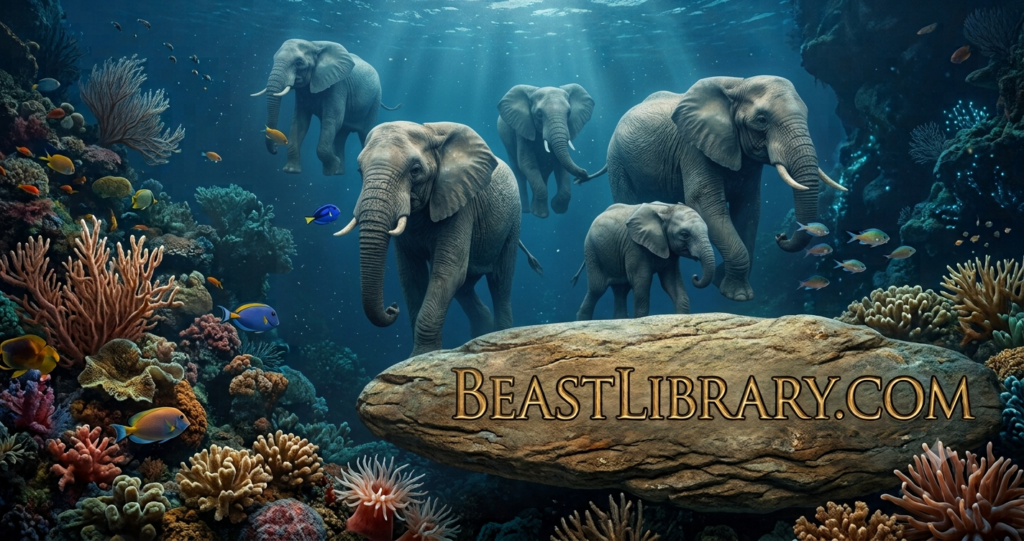
Elephants, the gentle giants of the Animals with Trunks kingdom, exhibit remarkable intelligence and emotional depth that often astonish researchers.
As some of the most curious animals with trunks a unique fusion of nose and upper lip, enable them to perform a stunning array of tasks. they are humble animals.
From delicate movements like picking up a single blade of grass to powerful actions such as uprooting entire trees. Elephant are growling animals that like to live in mud. They love to eat coconuts with the hep of their trunks.
5- African Grey Parrot
Scientific Name: Psittacus erithacus
Class: Aves
Diet: Herbivore
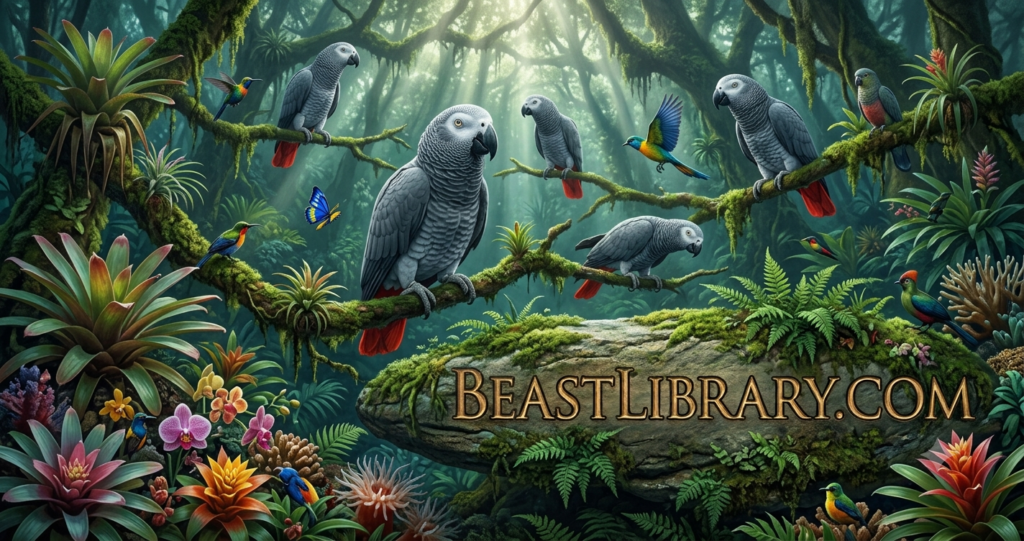
The African Grey Parrot stands out not only for its striking plumage but also for its extraordinary cognitive abilities.
Research has shown that these birds possess a remarkable understanding of human language and can communicate with a comprehension level comparable to that of a young child.
Their vocal mimicry isn’t just a party trick; it reflects their keen observation skills and profound social awareness, allowing them to replicate sounds and phrases that resonate with their experiences.
6- Monkeys
Class: Mammalia
Diet: Omnivore
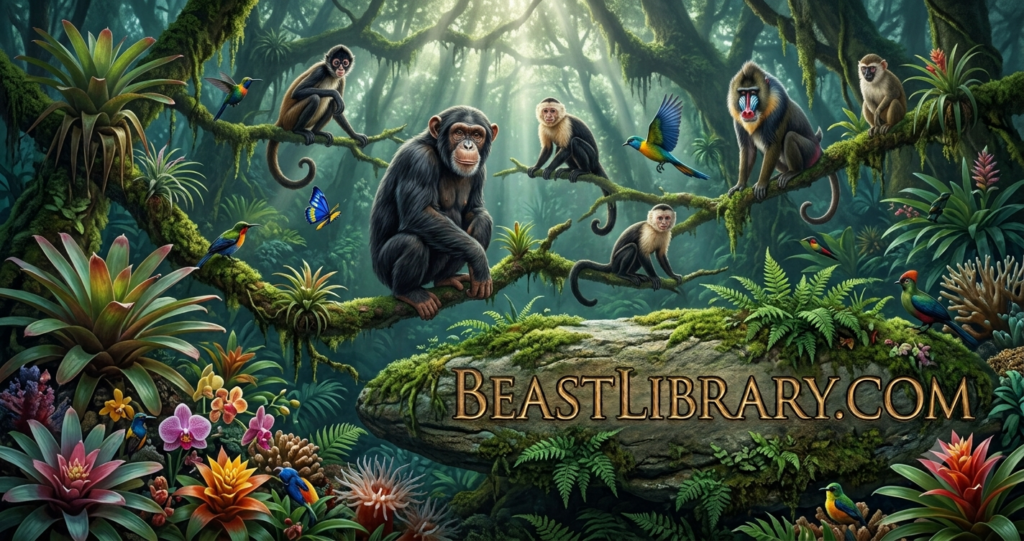
The Dusky is a tiny monkey found in dense forests of South America These charming primates, typically weighing around 3 to 4 pounds, exhibit a lush, dark fur that serves as excellent camouflage among the foliage.
They are known for strong pair bonds and affectionate interactions, often seen grooming and embracing each other.
They mostly live in treetops, where they skillfully navigate through branches using their prehensile tails. Their diet mainly consists of fruits and leaves, showcasing their role as vital seed dispersers in their habitat.
They are threatened by deforestation and habitat loss. Conservation efforts are crucial to keeping their population safe.
7- Meerkats
Scientific Name: Suricata suricatta
Class: Mammalia
Diet: Carnivore

Meerkats are similar animals like mongooses and live in close family groups called mobs. Recognized as some of the most curious animals, these animals like mongoose are skinny animals exhibit remarkable cooperation and communication.
Some meerkats stand guard and watch for danger while others look for food, reflect teamwork. They are skinny animals of world.
They eat both plants and animals. Meerkats use different sounds to communicate like warning others about danger or telling them everything is safe. They are considered as happiest animals that have long legs . They are shy animals also playful and caring.
8- Toothfish
Scientific Name: Dissostichus mawsoni
Class: Actinopterygii
Diet: Carnivore
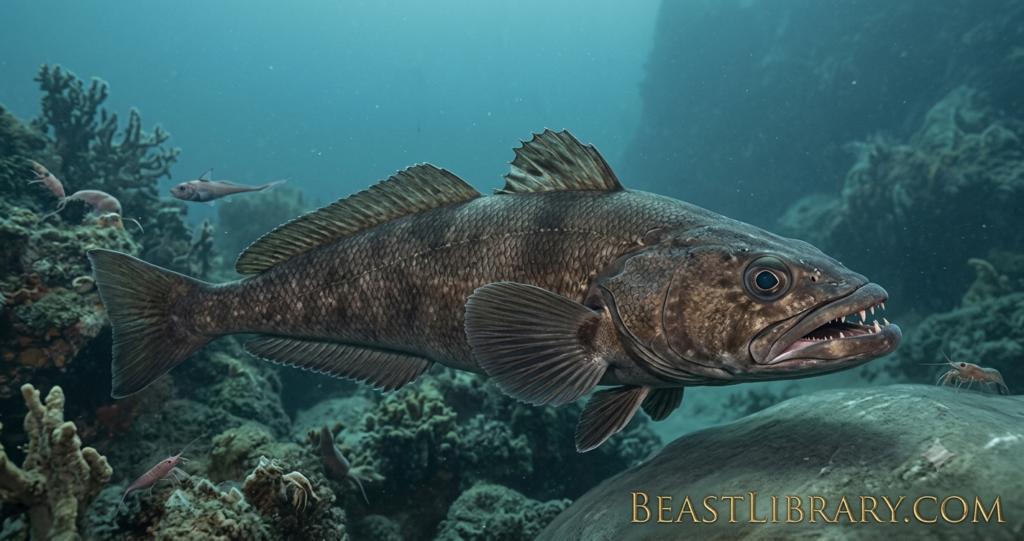
Toothfish, are as fascinating as they are enigmatic, often found lurking in the icy depths of the Southern Ocean. though not typically thought of as the most curious animal, these fish embody the adaptability of life in extreme conditions, Known for their formidable set of sharp teeth.
Allowing them to thrive in sub-zero temperatures where few can survive, they possess antifreeze glycoproteins in their blood.
This extraordinary adaptation not only prevents ice from forming within their bodies but also showcases the evolutionary marvels that occur in our planet’s most inhospitable habitats.
9- Foxes
Scientific Name: Vulpes vulpes
Class: Mammalia
Diet: Omnivore
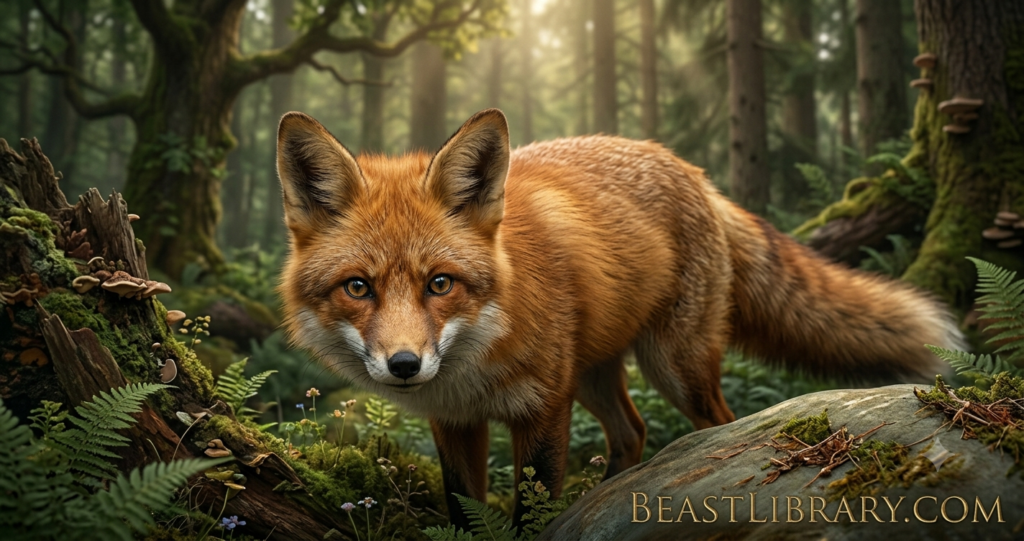
Among the elusive creatures of the wild, foxes display an intriguing mix of cunning intelligence and vocal prowess. Known for their striking red fur and bushy tails, these animals aren’t shy about expressing themselves, and their growls are an essential part of their communication repertoire.
Unlike the deep, menacing growls of larger predators, the fox’s growl tends to be more nuanced, often resembling a series of barks or chortles that can signify everything from alerting family members to warnings about potential threats.
In dense foliage or during the twilight hours, these sounds can relay an intricate social dynamic within their packs. With over a dozen types of vocalizations, including yelps and howls, the growl serves as merely one tool in their communication toolbox.
10- Bushbabies
Scientific Name: Galago senegalensis
Class: Mammalia
Diet: Omnivore
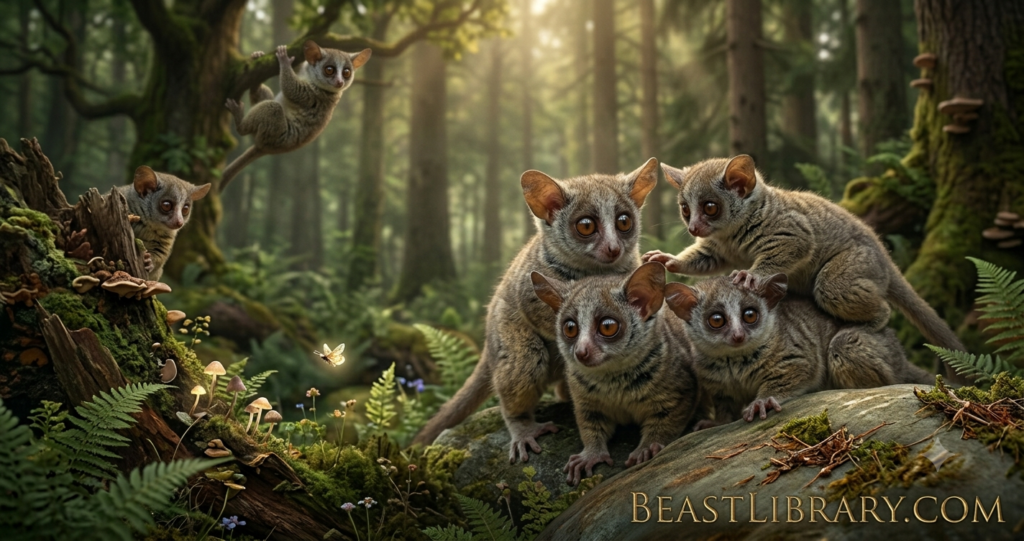
The bushbaby (galago) is a small nocturnal primate with very large eyes. As highly inquisitive animals, These eyes help them see in the dark. Its strong night vision and sharp hearing help it find food. It can detect even tiny movements of insects at night using their sharp vision.
They get their name from their baby-like crying sound. They like to eat insects, fruits, and small animals. Even though it looks cute, it is very active and can jump up to 10 times their body length that help them escape predators and move easily through trees.
11- Gorilla
Scientific Name: Gorilla gorilla
Class: Mammalia
Diet: Herbivore
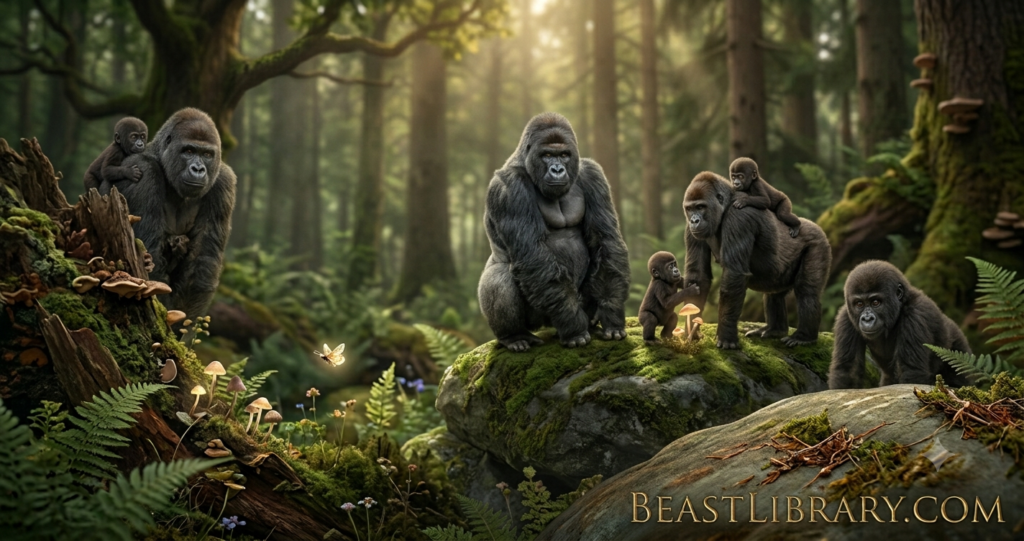
Gorillas, with their impressive size and strength, are often perceived as gentle giants, yet their growls reveal a complex emotional landscape.
This low-frequency vocalization serves multiple purposes, from communication within their social groups to asserting dominance during moments of tension.
When a silverback growls, it can resonate deeply in the forest, signaling authority and warning potential rivals. Unlike the aggressive growls of some predators, a gorilla’s growl is layered with emotion a mix of defensiveness, reassurance, or even an invitation to play among friends.
12- Raccoon
Scientific Name: Procyon lotor
Class: Mammalia
Diet: Omnivore
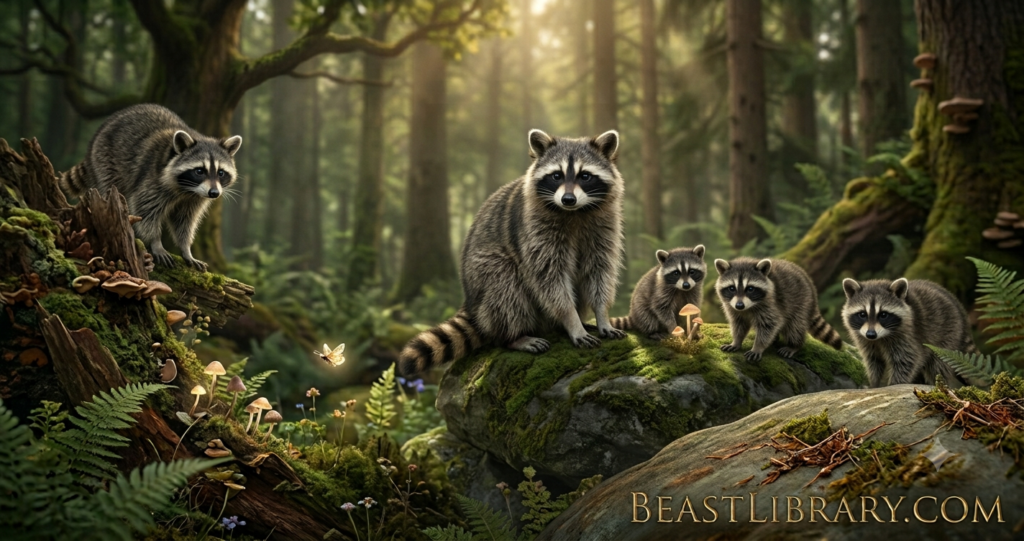
Raccoons are often misunderstood creatures, notorious for their mischievous antics and scavenging habits. Their growls, which can range from deep, throaty sounds to high-pitched growls, offer unique glimpse into their complex social interactions.
These vocalizations serve not only as a warning to potential threats but also facilitate communication among family members in the wild.
When raccoons feel cornered or threatened, their growls can escalate into a series of hisses and clicks, a dramatic display that emphasizes their nuanced emotional engagement.
13- Penguins
Scientific Name: Aptenodytes forsteri
Class: Aves
Diet: Carnivore
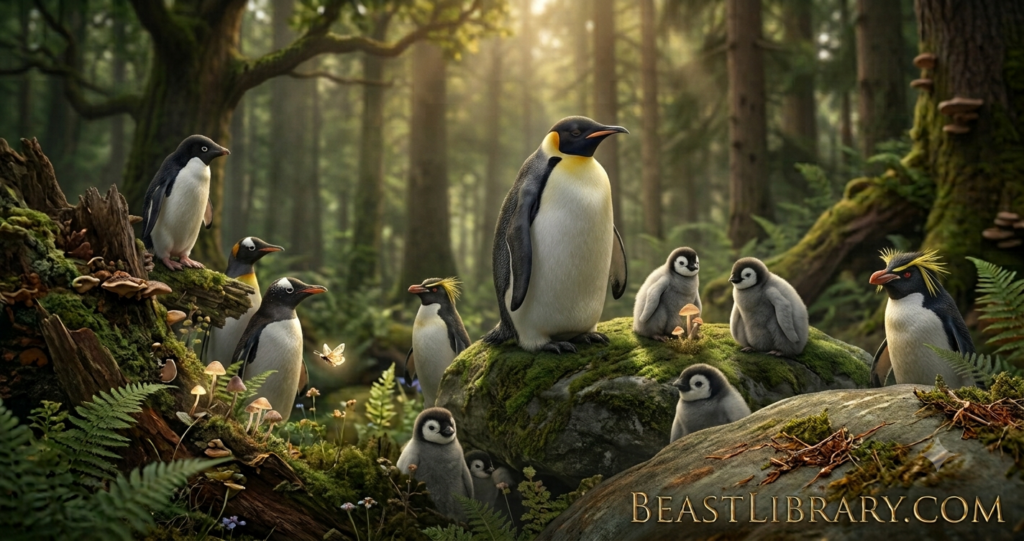
Penguins, with their flippers & tuxedo-like appearance, may exude elegance, but their movements often tell a different story. On land, they waddle awkwardly, balancing their rotund bodies on short, flipper-like wings, which seem ill-suited for anything but swimming.
Observing a penguin trying to navigate icy terrains or hopping over obstacles can be both hilarious, reminding us that nature isn’t just about survival, but also about the joy found in imperfection. They are short legged animals.
14- Dolphins
Scientific Name: Delphinus delphis
Class: Mammalia
Diet: Carnivore

Dolphins, often celebrated for their intelligence and grace, embody a unique blend of curiosity and humility that captivates marine enthusiasts.
Unlike their more aggressive counterparts in the animal kingdom, these gentle creatures engage with their surroundings in a playful yet respectful manner.
Their social structures, functioning in tight familial pods, reveal a profound understanding of cooperation and empathy traits that lead them to assist injured companions and even other species in distress, reflecting an altruistic spirit often overlooked in discussions about animal behavior.
15- Squirrel
Scientific Name: Sciurus vulgaris
Class: Mammalia
Diet: Omnivore
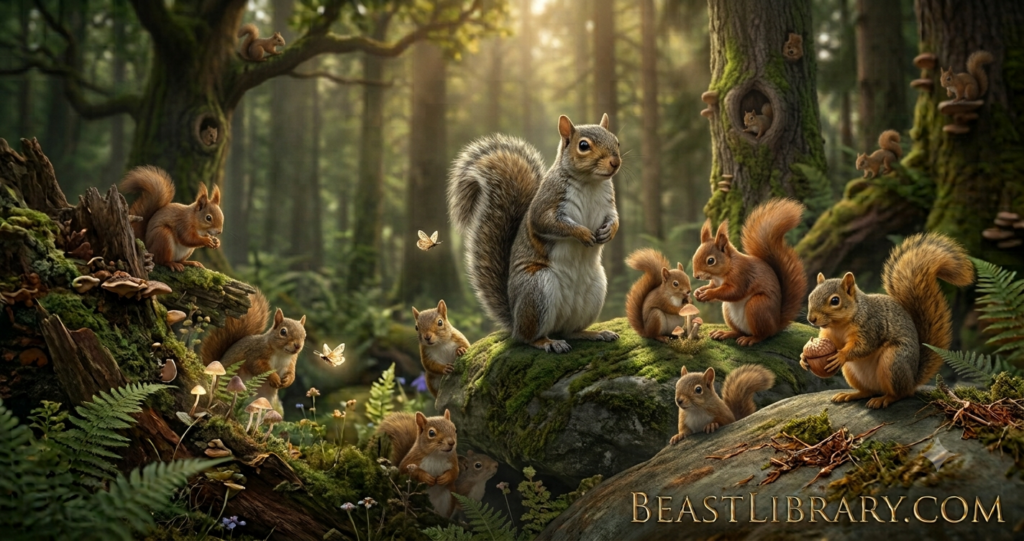
Squirrels are the acrobats of the animal kingdom, showcasing an extraordinary blend of agility and adaptability that captivates anyone fortunate enough to observe their antics.
With their nimble bodies and bushy tails, they navigate trees with astonishing finesse, leaping between branches with the grace of a gymnast. This adaptability is not just a spectacle; it’s a survival
16- Otters
Scientific Name: Lutra lutra
Class: Mammalia
Diet: Carnivore
Otters are webbed feet animals and are known for their playful nature, but their whiskers are also very important for survival. These fine sensory hairs help otters move through muddy water and locate food underwater.
Their whiskers can feel tiny vibrations, making hunting easier in dark places. Otters also use whiskers during social interaction and these useful hairs support both hunting skills and strong group connections.
17- Giraffes
Scientific Name: Giraffa camelopardalis
Class: Mammalia
Diet: Herbivore
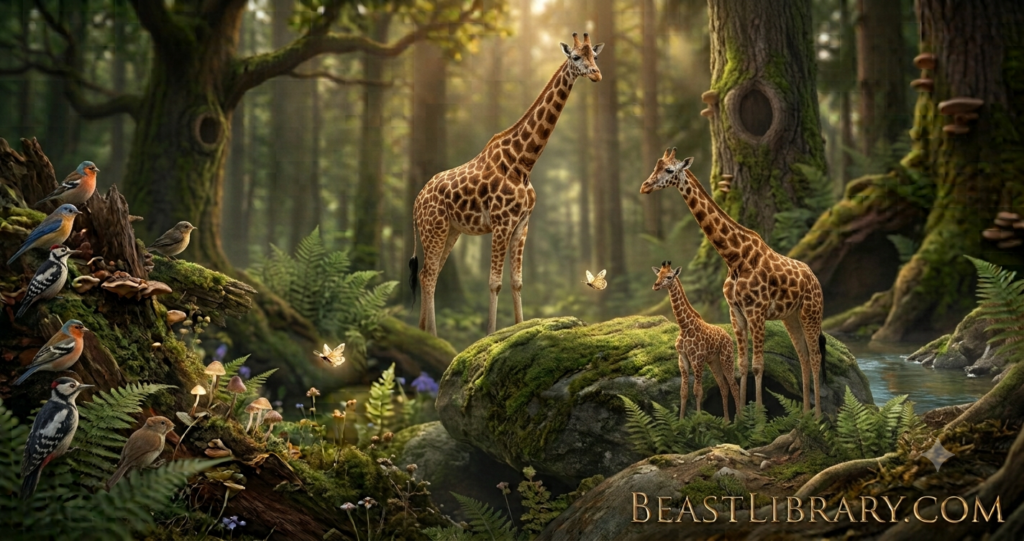
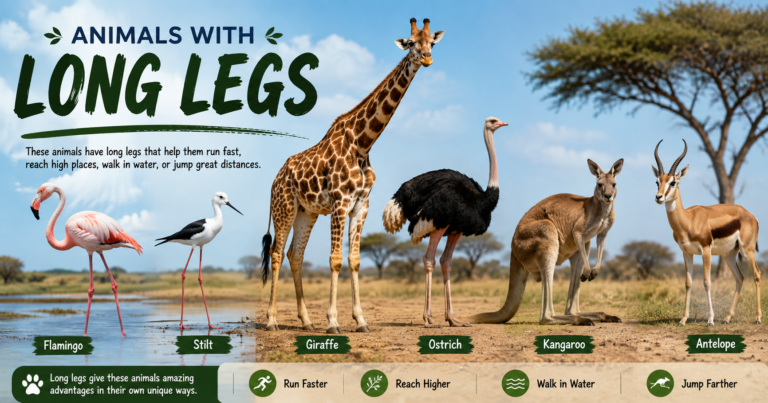
The giraffe is the tallest land animal and most iconic animals that live in savannas. It occurs in open grasslands and dispersed woodland in sub-Saharan Africa. The acacia trees are closely associated with giraffes.
Under short distances ,hooved animals giraffes have a speed of up to 60 kilometers per hour. Their height is an added advantage of detecting predators. A giraffe has a big and strong heart. It forces blood into the long neck of the brain.
They mainly feed on leaves, shoots as well as flowers of tall trees. Their long neck enables them to feed on food stuffs that are inaccessible by many other herbivores. It has the prehensible tongue to strip the leaves off thorny branches.
18- Axolotl
Scientific Name: Ambystoma mexicanum
Class: Amphibia
Diet: Carnivore
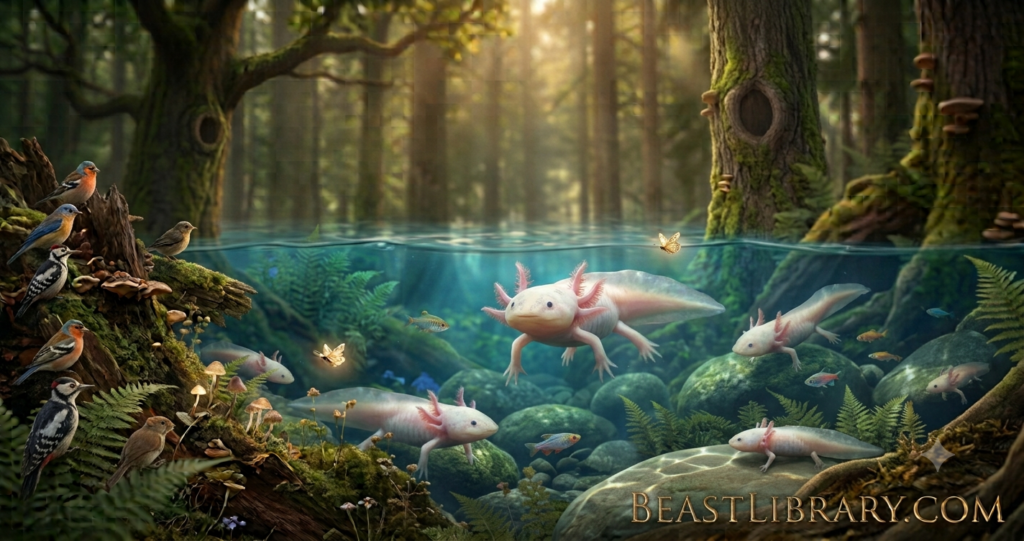
Male axolotls possess a more streamlined physical build. They appear longer and narrower from the head to the tail. which help them navigate through water swiftly during mating season.
Females have a fatter belly. This is due to egg production. keeping them noticeably thicker than males even during non-breeding periods. Male axolotl is aggressive than female axolotl.
Both genders share virtually identical requirements when it comes to their diet, food and care requirements. Understanding the differences is important for their management, whether monitoring them in natural ecosystems or home aquariums.
19- Crows
Scientific Name: Corvus brachyrhynchos
Class: Aves
Diet: Omnivore
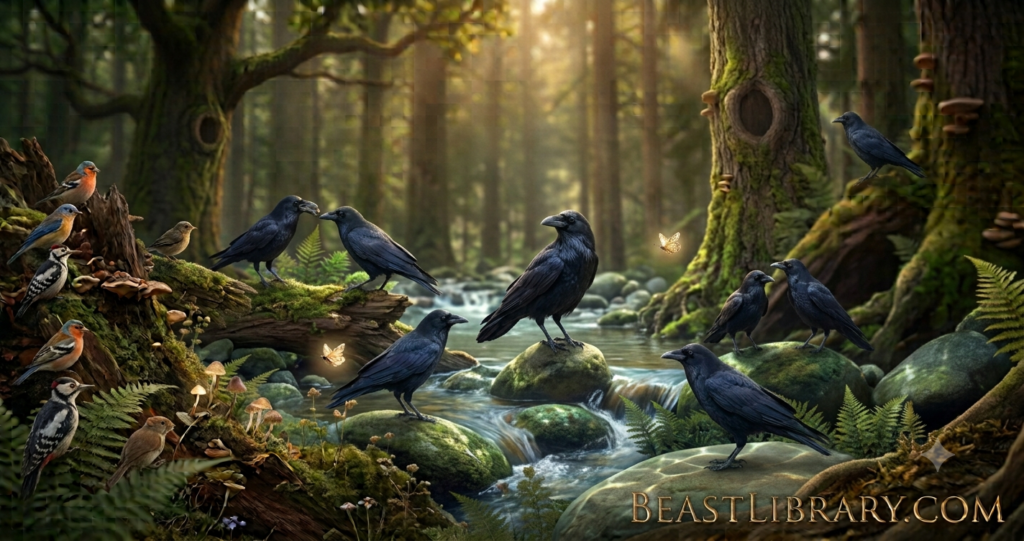
Crows are not just your average backyard birds; they are the Einsteins of the avian world. Known for their remarkable problem-solving skills, crows often demonstrate an understanding of cause and effect that rivals that of some primates.
For instance, studies show that crows can use tools to extract insects from hard-to-reach places, showcasing an impressive ability to think ahead and strategize.
Their intelligence is further illuminated by their capacity for social learning, where younger crows observe and adapt the foraging techniques of their elders, effectively passing down knowledge within their communities.
20- Platypus
Scientific Name: Ornithorhynchus anatinus
Class: Mammalia
Diet: Carnivore
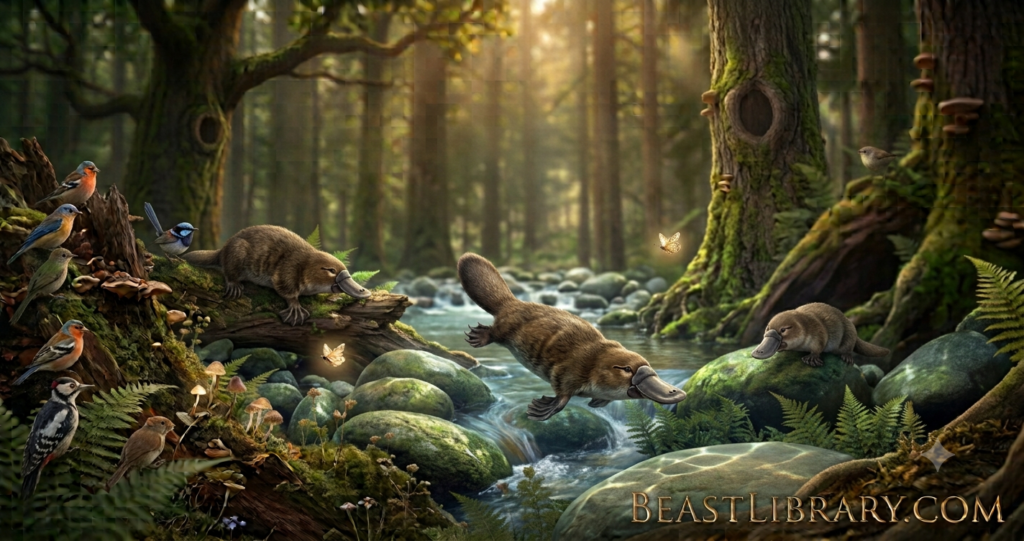
Platypus is unique mammals that have flat tail. Their tail helps them swim in water of eastern Australia. Platypus is webbed feet animal, mostly active at night and spends the majority of its time in water in search of food. Platypuses are short leg animals, feed on insects, larvae etc.
Fat is also stored in the tail which is helpful in the winter season when there is a lack of food. On land their tail helps them balance while digging burrows. They live alone and are able to seal their ears and eyes in water. Their tails help them to keep track of direction during hunting.
21- Hamster
Scientific Name: Mesocricetus auratus
Class: Mammalia
Diet: Omnivore
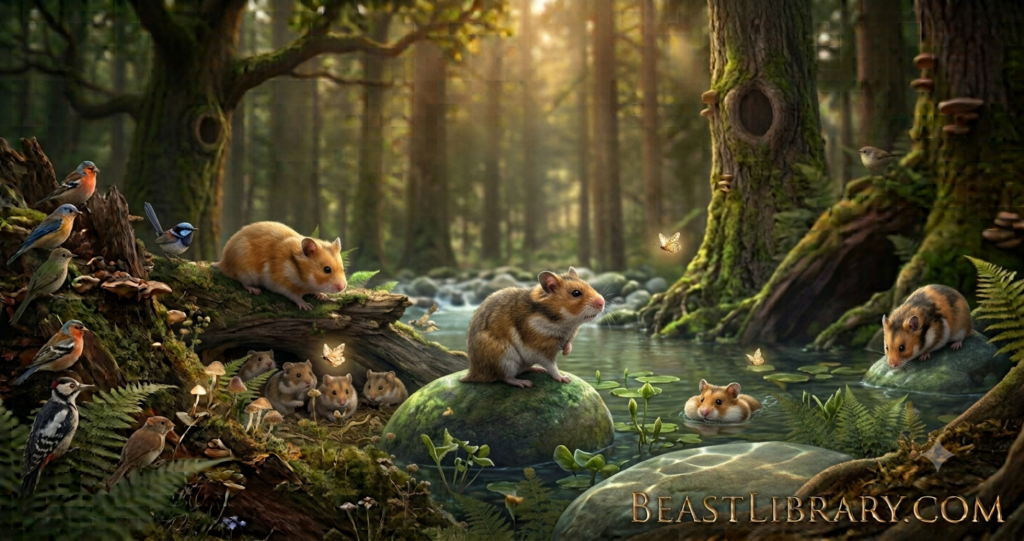
Hamsters are often seen as the quintessential pet, but their insatiable appetite reveals a often side of their behavior. These tiny creatures have cheek pouches that can stretch astonishingly, allowing them to store food for later.
Hamsters don’t just hoard food; they exhibit a unique social dynamic when it comes to sharing their bounty. In communal settings, you may notice a hierarchy where some individuals guard prime food sources, thus creating a subtle but often social tapestry.
This clever adaptation serves a crucial purpose, enabling them to hoard seeds and grains to survive harsh seasons. It’s a captivating testament to their instinctual drive, showcasing not just a need for sustenance but an innate ability to strategize for the future.
22- Spider
Class: Arachnida
Diet: Carnivore
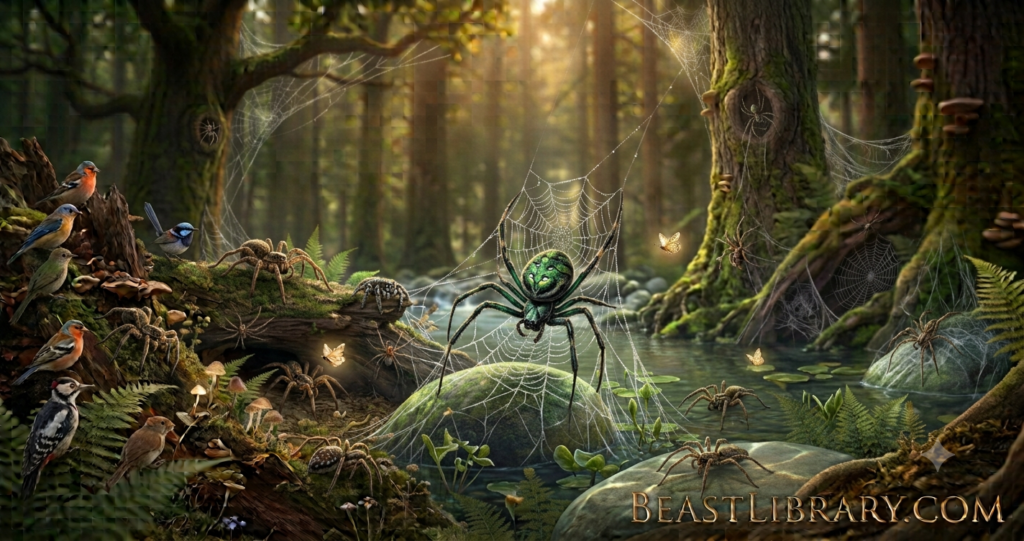
Spiders, often portrayed as the unearned antagonists of nature, hold captivating secrets beneath their eight legs. Even though their presence triggers fear in many, these quiet architects create intricate webs that serve as both homes and effective trapping zones.
Varieties like the orb weaver show remarkable calmness, waiting peacefully for food to get tangled in their carefully spun designs. Spirited hunters or calm ambush artists, spiders embody an extraordinary resilience and diversity that enrich our ecosystems, silently steering the ecosystem without ever needing any attention.
Conclusion
Most Curious Animals showcase the incredible ingenuity and resilience of life on earth. Each species, offers insights that challenge our perceptions and encourage a deeper appreciation for the natural world, with its peculiar habits and remarkable adaptations. Join the movement to protect these amazing animals and their habitats for future generations to enjoy.
FAQs:
What is the most curious animals in the world?
Octopuses, dolphins, and chimpanzees are widely considered the most curious animals.
What animal is smart and curious?
Octopuses are remarkably smart and curious, known for opening jars, escaping enclosures, and actively exploring new objects in their environment.