Top 18 Independent Animals in The World (With Images)
Many creatures thrive solo, making them the most independent animals in the world, Discover how these remarkable species adapt and survive on their own! This article highlighting their unique abilities to live autonomously. By understanding these extraordinary creatures, we can gain insight into the resilience and adaptation found in nature. we gain deeper insight into nature’s incredible, you’re in for a fascinating exploration of life’s lone survivors.
1-Raccoons: Independent Animals in The World
Scientific Name: Procyon lotor
Class: Mammalia
Diet: Omnivore
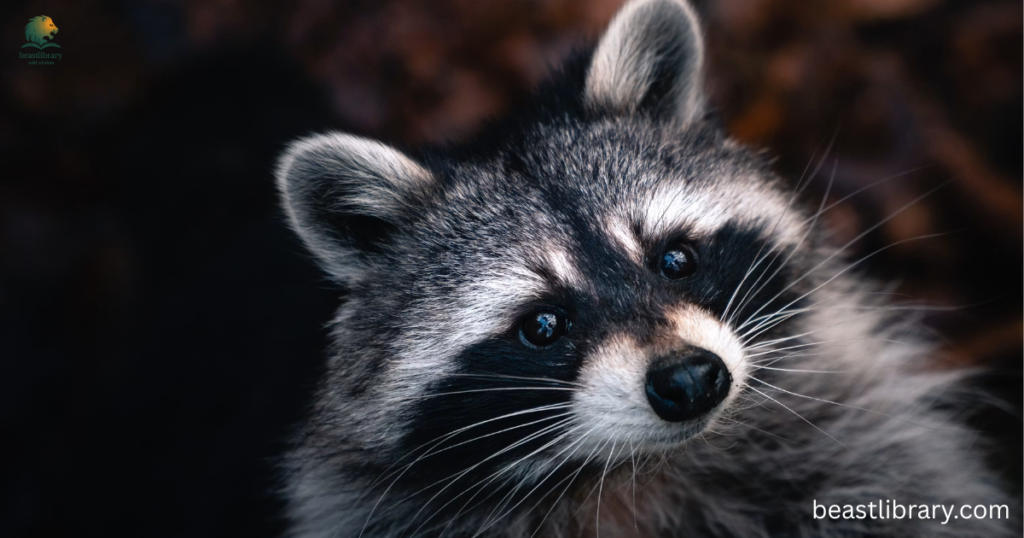
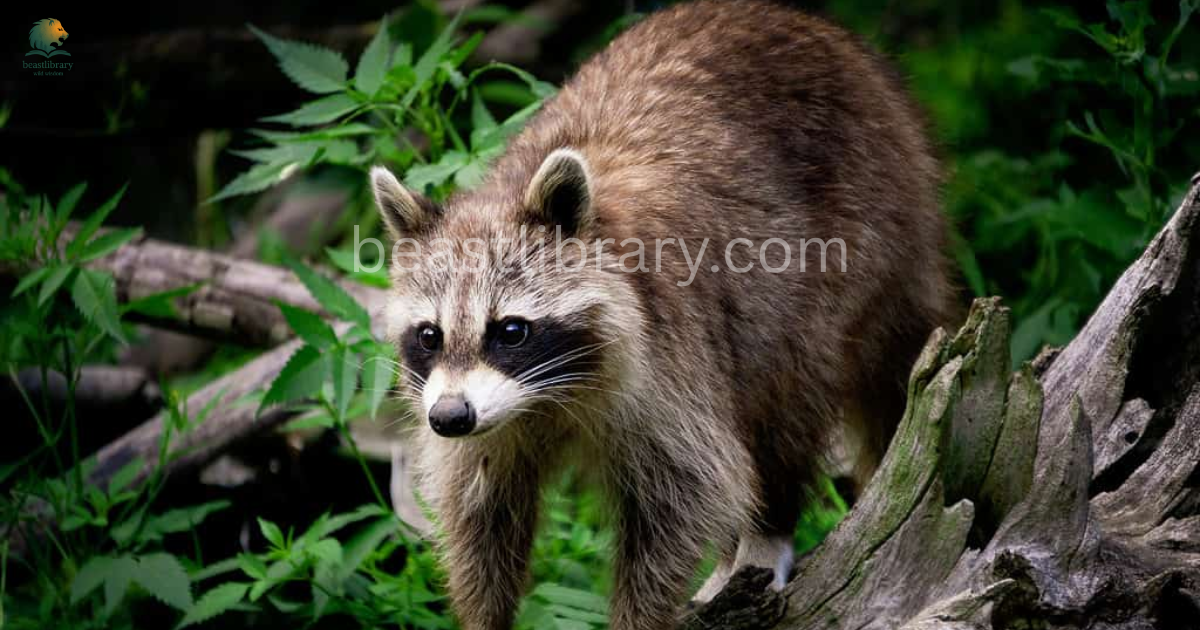
Raccoons are independent animals with claws and known for their face markings and smart behavior, but their sensitive whiskers are very important for survival. These fine hairs help them move safely in dark places by sensing nearby objects and danger.
While searching for food, whiskers help raccoons judge the size and shape of things, especially when they use their paws to explore. This strong sense of touch makes them very good at finding food and adapting to different environments, especially at night.
2-Wolverine
Scientific Name: Gulo gulo
Class: Mammalia
Diet: Carnivore
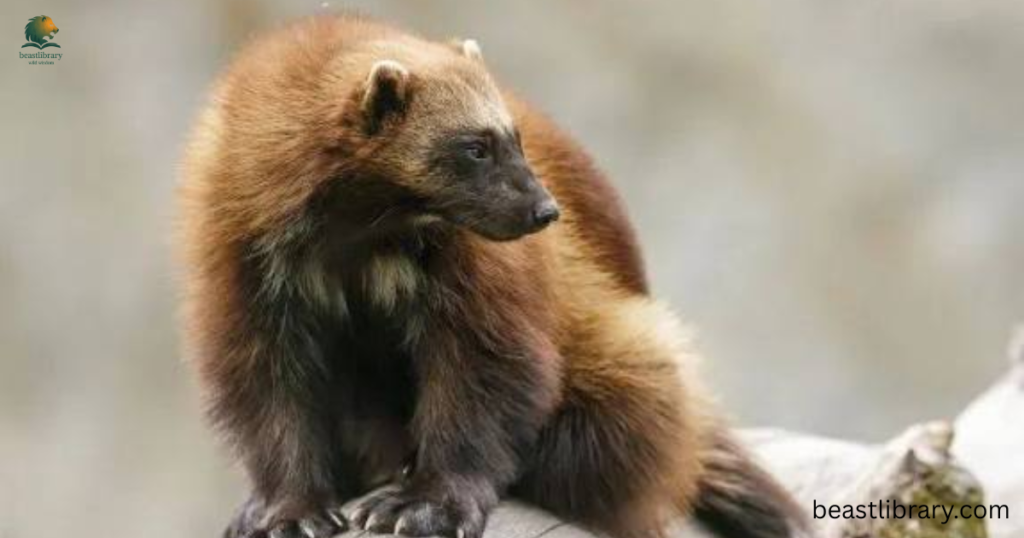
Wolverines, often mistaken for a stocky blend of badger and bear, share an undeniable charm that can draw comparisons to their more agile cousin, the otter. As animals that are independent and smart, Both creatures boast a playful demeanor and an impressive set of teeth, but wolverines exhibit a rugged ferocity that sets them apart.
While otters frolic in the water, showcasing their acrobatic skills, wolverines traverse the harsh, snow-covered landscapes of the north with a tenacity that belies their compact form. This combination of strength and cunning makes them fascinating animals, revealing the adaptability required to thrive in some of the planet’s most brutal climates.
3-Octopus
Scientific Name: Octopus vulgaris
Class: Cephalopoda
Diet: Carnivore
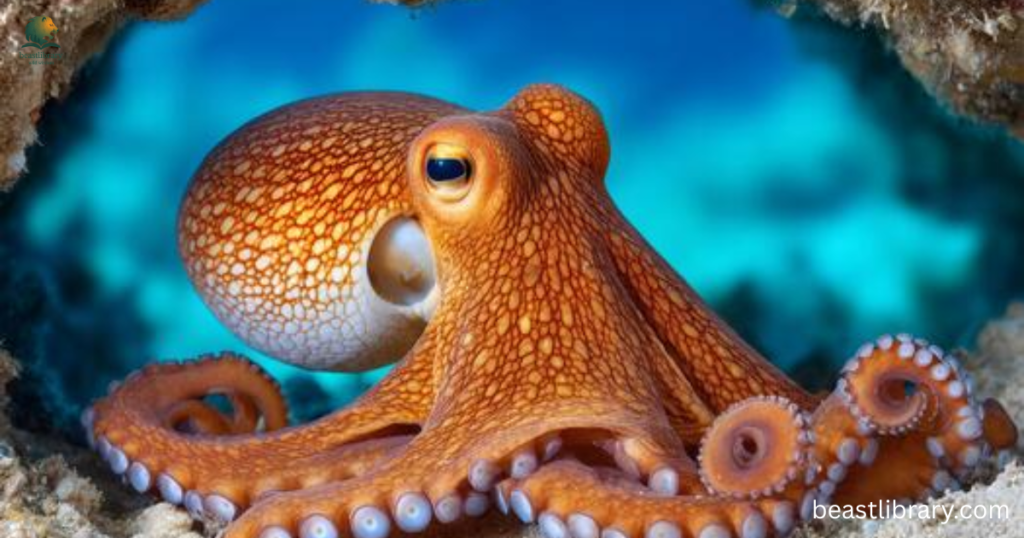
Octopuses, the greedy quiet animals of the deep, offer a glimpse into life without legs. Instead of traditional limbs, they boast eight flexible arms lined with sensitive suckers, allowing for an unparalleled range of movement and dexterity.
This unique adaptation provides these cephalopods not only with incredible locomotion, swimming effortlessly through the ocean’s depths. They also have ability to manipulate their environment, open shells, and even create tools.
Unlike many other invertebrates, octopuses display problem-solving skills and exhibit behaviors that suggest a level of awareness and emotion. They can navigate mazes, escape intricate enclosures, and even interact with fish and humans in surprising ways.
4-Tiger
Scientific Name: Panthera tigris
Class: Mammalia
Diet: Carnivore
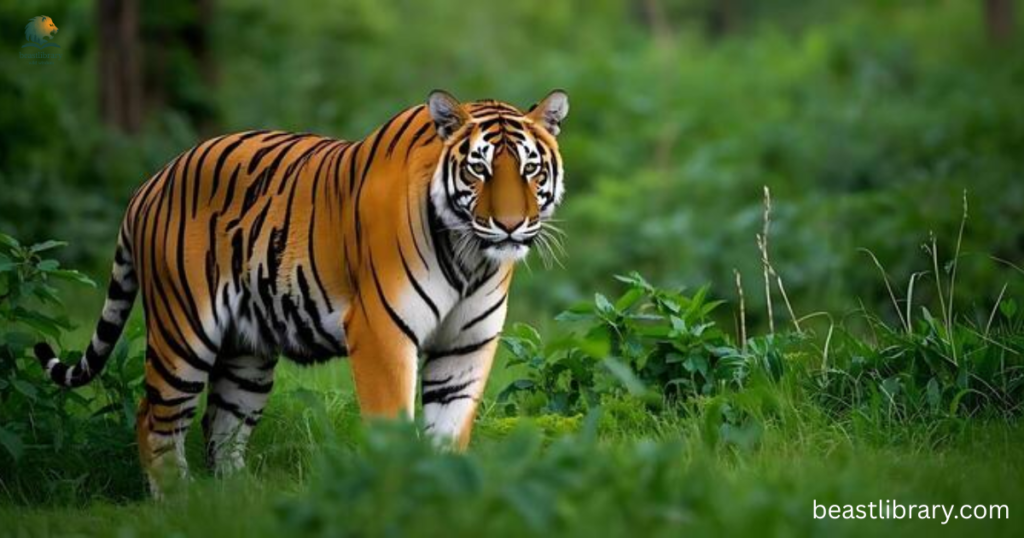
The tiger’s growl is more than just a sound; it’s a primal echo that resonates through the forests and grasslands where these magnificent creatures roam. Unlike the growls of domestic animals, a tiger’s growl can be heard from miles away, serving both as a declaration of territory and a warning to intruders.
This deep, rumbling vocalization carries a weight of authority, reflecting the tiger’s position as the apex predator in its ecosystem. It’s fascinating to consider how this powerful growl not only instills fear in potential threats but also communicates with other tigers through a vast range of emotions.
5-Koala
Scientific Name: Phascolarctos cinereus
Class: Mammalia
Diet: Herbivore
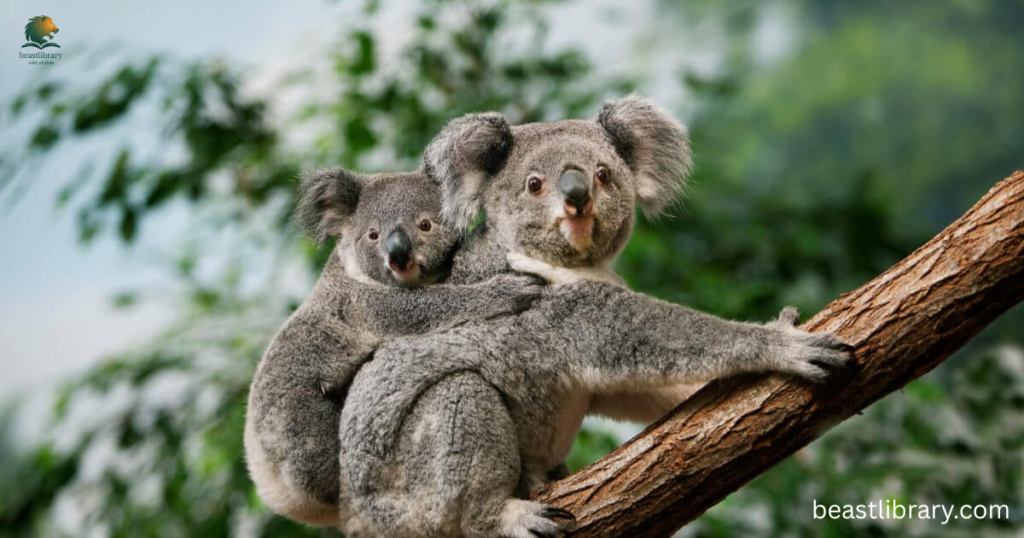
Koalas, those iconic Australian marsupials, are more than just cute faces in eucalyptus trees; each koala is an animals that are independent by nature. Their pouch, a vital part of their reproductive strategy, serves an essential purpose: it helps protect and nurture their young as they develop in the early, vulnerable stages of life.
This unique adaptation allows a mother koala to carry her joey, who clings tightly inside, providing a warm and safe environment for up to six months. Interestingly, the pouch opens upward, preventing any debris from falling in as she navigates her treetop habitat.
6-Cheetah
Scientific Name: Acinonyx jubatus
Class: Mammalia
Diet: Carnivore
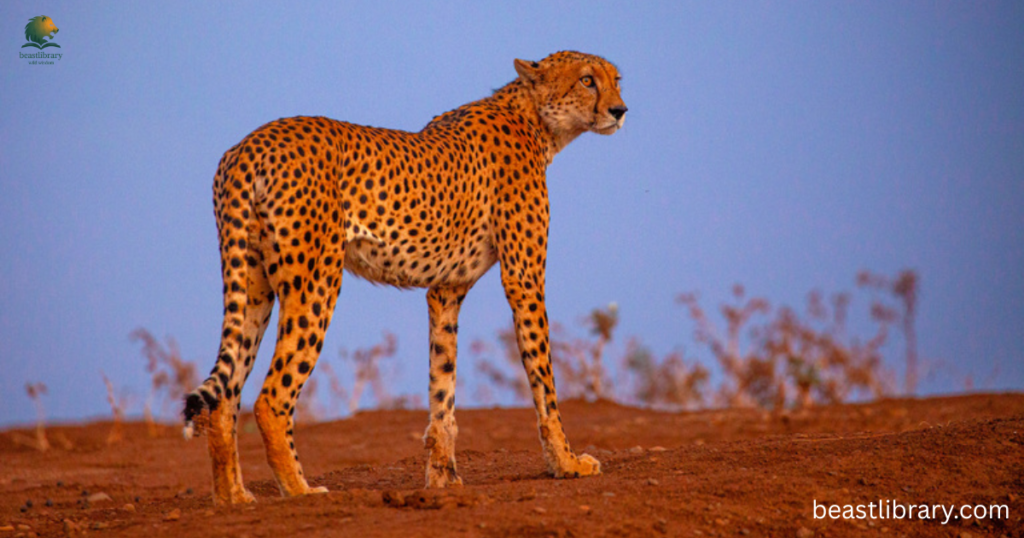
Among the world’s fastest land animals, cheetahs are renowned for their incredible speed, reaching up to 60 miles per hour in mere seconds. Yet, beneath this powerful exterior lies a surprisingly timid personality. Cheetah is spotted animal.
Unlike their more aggressive big cat relatives, cheetahs often exhibit cautious behavior, using their acute vision and stealth rather than brute force to navigate their environment. This shyness, coupled with their preference for solitary or small group living, offers a unique glimpse into how adaptability shapes survival strategies in the wild.
7-Sloths
Class: Mammalia
Diet: Herbivore
Sloths, often esteemed for their leisurely lifestyle, are intriguing creatures for many reasons, often making people wonder what animals is independent in such a unique way; their inability to jump sets them apart in the mammalian world. These slow-moving animals, native to the rainforests of Central and South America, rely on their specialized anatomy to navigate their arboreal habitats.
With their long limbs and curved claws, sloths are perfectly designed for climbing and hanging, allowing them to move through trees with a deliberate grace that contrasts sharply with the typical agility associated with most mammals.
8-Great White Shark
Scientific Name: Carcharodon carcharias
Class: Chondrichthyes
Diet: Carnivore
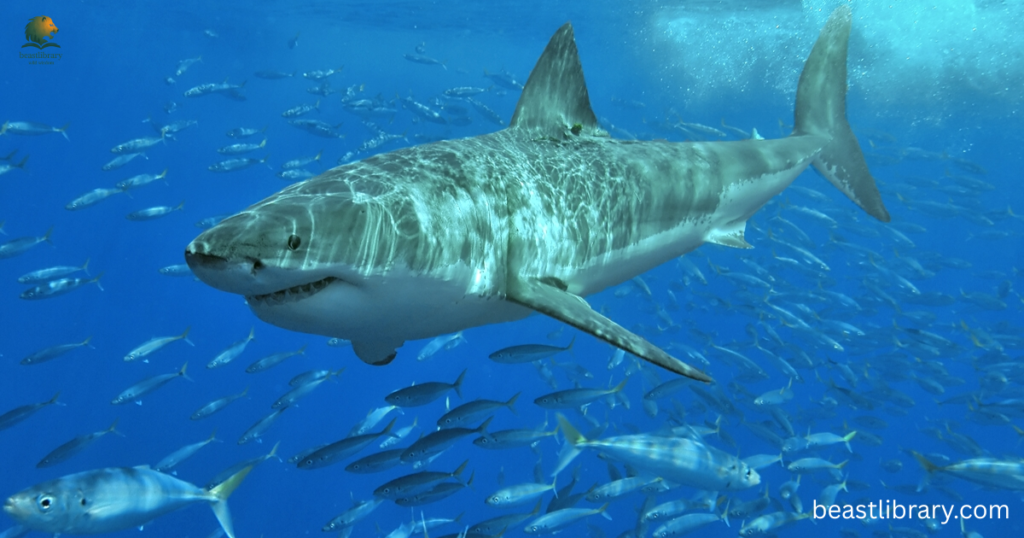
The great white shark boasts one of the Animals With The Strongest Bite in kingdom, with an estimated bite force exceeding 1.8 tons per square inch. This incredible power is not merely for show; it plays a vital role in their predatory lifestyle.
Their sharp, serrated teeth can slice through flesh with ease, making them efficient hunters of marine mammals, fish, and even seabirds. What’s often is how their evolutionary design allows them to replace lost teeth rapidly, keeping their bite potent throughout their lives.
The great white shark boasts one of the animals with the strongest Bite in kingdom, with an estimated bite force exceeding 1.8 tons per square inch. Unlike animals that suck their food, this incredible power is not merely for show; it plays a vital role in their predatory lifestyle.
9-Jaguar
Scientific Name: Panthera onca
Class: Mammalia
Diet: Carnivore
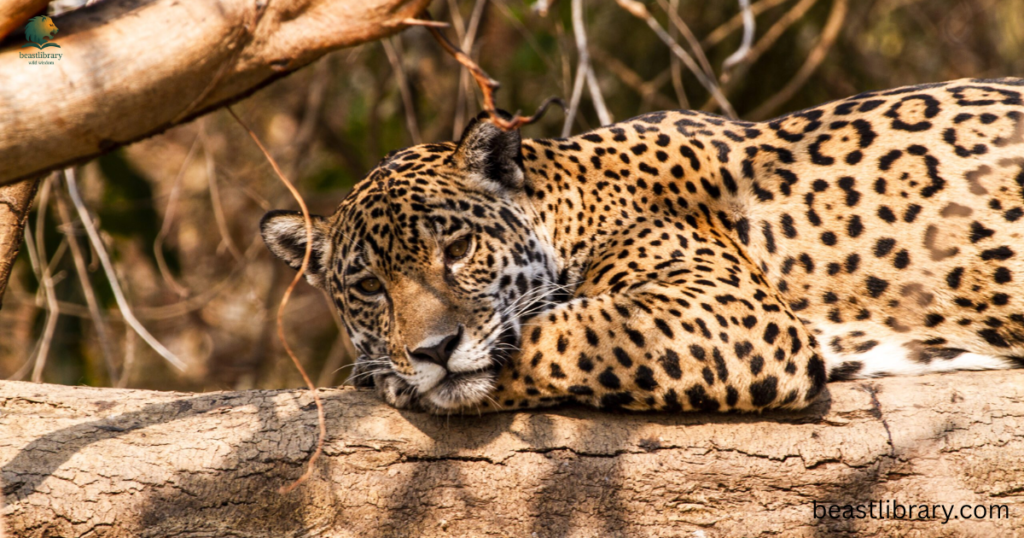
Jaguars possess one of the most powerful bites in the kingdom of animals with the strongest bite. Unlike many other big cats that primarily bring down prey through sheer speed, the jaguar relies heavily on its crushing bite to deliver a swift, fatal blow, often targeting the skull or shell of its prey.
What truly sets the jaguar apart is its remarkable hunting strategy. While many predators prefer to stalk and ambush, jaguars are known for their exceptional ability to swim and hunt in water. This adaptability enables them to hunt a diverse diet, from fish to capybaras.
Their evolutionary advantage isn’t just physical; it is also a testament to their keen intelligence and strategic prowess in various environments, making them one of the most versatile hunters in their habitats.
10-Platypus
Scientific Name: Ornithorhynchus anatinus
Class: Mammalia
Diet: Carnivore
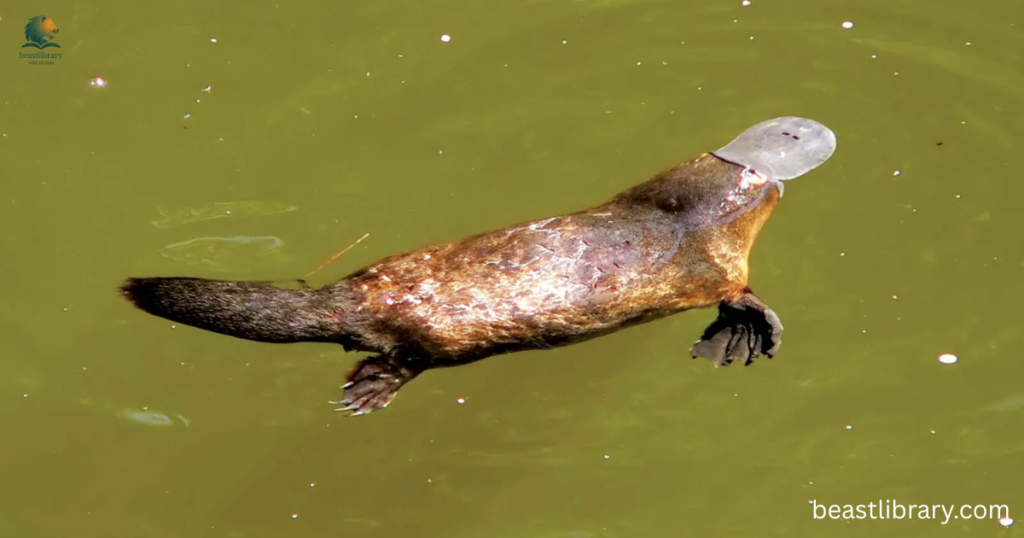
Platypus is unique mammals that have flat tail. Their tail helps them swim in water of eastern Australia. Platypus is webbed feet animal, mostly active at night and spends the majority of its time in water in search of food. Platypuses are short leg animals, feed on insects, larvae etc.
Fat is also stored in the tail which is helpful in the winter season when there is a lack of food. On land their tail helps them balance while digging burrows. They live alone and are able to seal their ears and eyes in water. Their tails help them to keep track of direction during hunting.
11-Red Fox
Scientific Name: Vulpes vulpes
Class: Mammalia
Diet: Omnivore
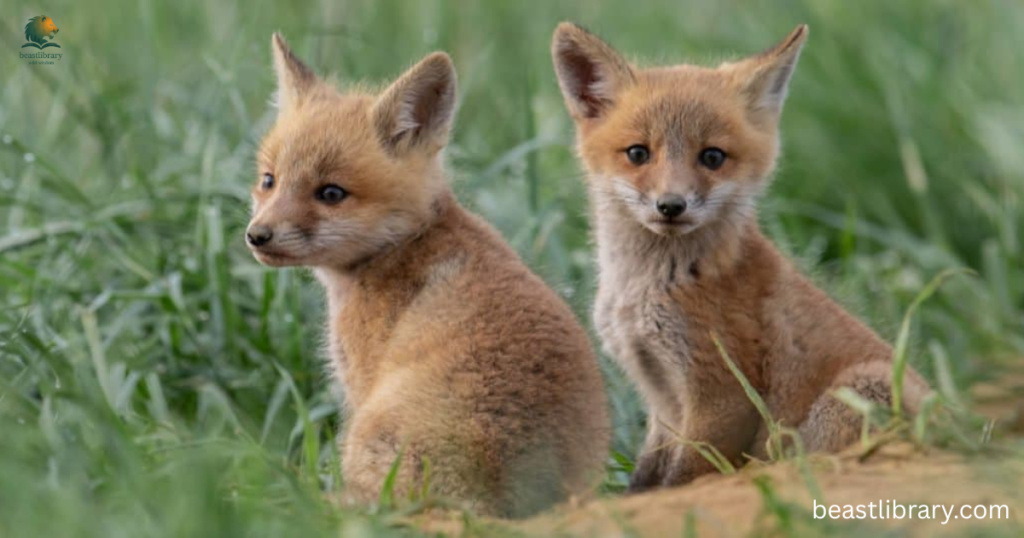
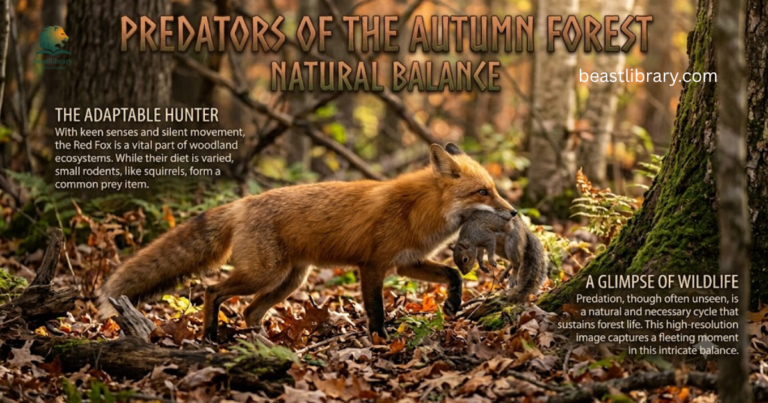
Northern red fox dwells in snowy cold areas. Its wide winter coat helps it to withstand freezing. The coat becomes thicker in the autumn and loses in the spring. Winter fur is longer and thicker than the summer fur.
These foxes are found in North America, Europe and Asia. They are both forest, tundra and open land adapters. They feed on rodents, birds, insects and plants. They also hear and jump in the snow to hunt and have bushy tail.
In the intricate web of nature, the cunning fox emerges as a surprising predator, albeit infrequently, of monkeys. While primarily known for their agility and adaptability in diverse environments, foxes are opportunistic feeders.
12-Orangutan
Class: Mammalia
Diet: Omnivore
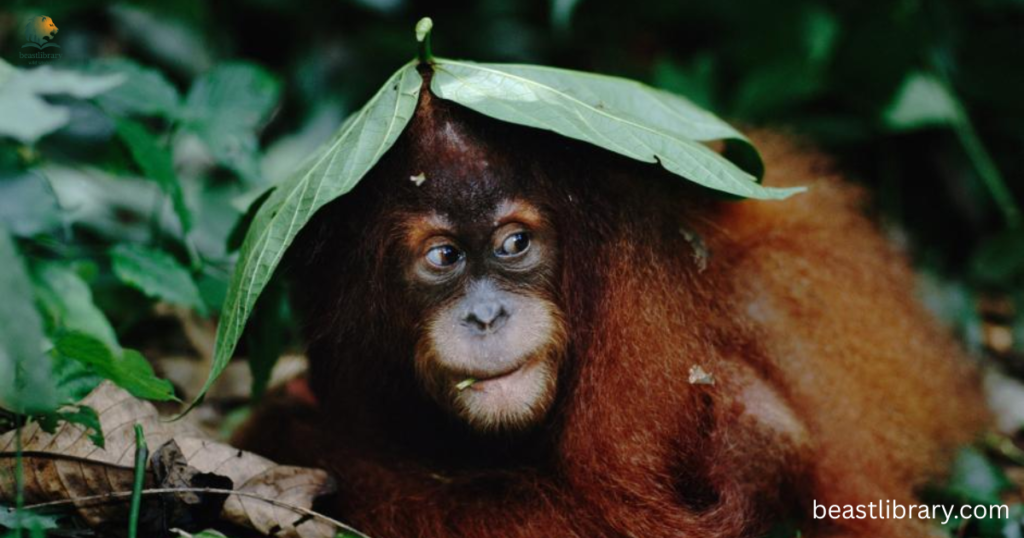
Orangutans are heavy bodied apes that lack tails. Considered among the most independent animals in the wild, Their bodies are constructed to live in the trees. In slow motion, the support is done by arms that are long and the movement is supported with branches. Flexible joints and grip strength give an individual balance.
The availability of food varies with seasons. They feed on tougher plants when food is unavailable. The use of the tools aids in accessing the seeds and the insects. The process of learning occurs by observation. No tail is needed for balance.
13-Crocodiles
Scientific Name: Crocodylus
Class: Reptilia
Diet: Carnivore
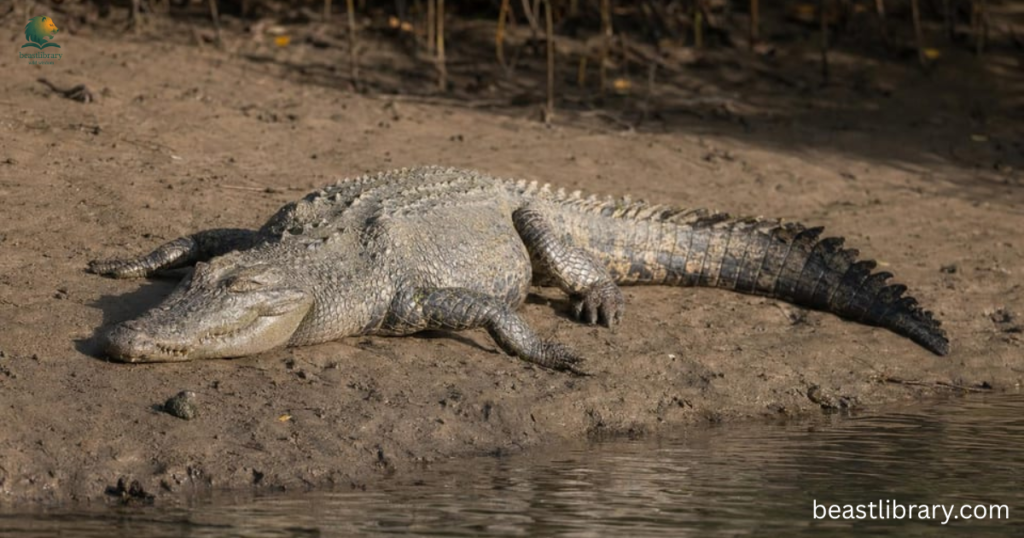
The tails of crocodiles are flat and muscular and they are useful in swimming. They are fast in water by side to side tail movements. The crocodiles feed on fish, birds and mammals, usually hiding in the water to ambush the prey.
The tail also acts as a weapon. The crocodile reigns supreme when it comes to bite force in the animal kingdom. With a bite that can exert over 3,700 pounds of pressure per square inch, this formidable predator is truly built for dominance.
Its powerful jaws are finely tuned for gripping and tearing through both flesh and bone, allowing it to capture prey that ranges from fish to large mammals. Unlike many other reptiles, crocodile can adapt their hunting techniques, using ambush tactics in shallow waters to surprise unsuspecting victims.
14-Polar Bear
Scientific Name: Ursus maritimus
Class: Mammalia
Diet: Carnivore
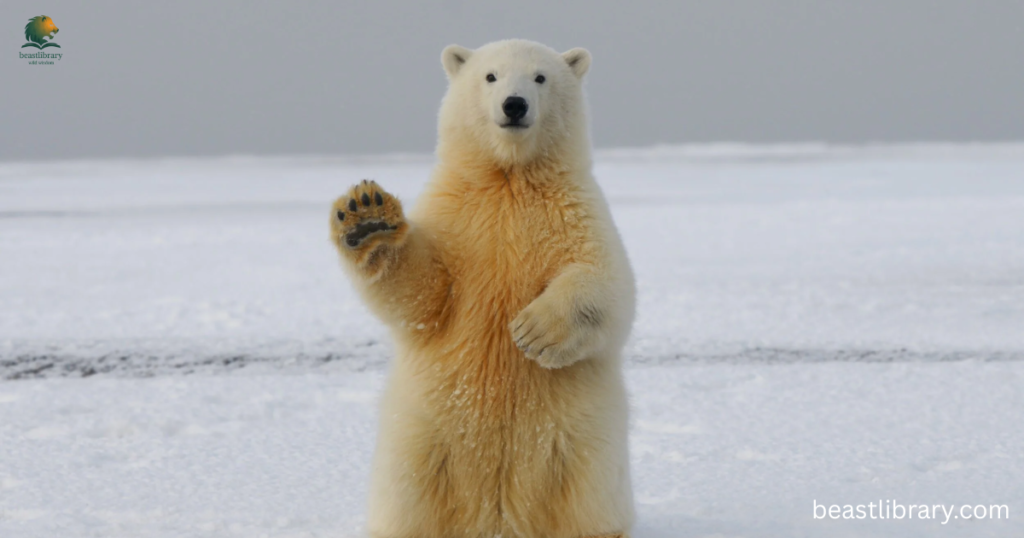
Polar bears possess one of the most formidable bites in the animal kingdom, capable of exerting over 1,200 pounds of pressure per square inch. This immense biting force isn’t just for show; it’s a crucial tool for their survival in the harsh Arctic environment.
Their powerful jaws enable them to crunch through thick layers of ice and access the blubber of seals, their primary prey. The sheer strength and structure of their teeth are adapted for gripping slippery prey, making these apex predators exceptionally efficient hunters.
15-Snow Leopard
Scientific Name: Panthera uncia
Class: Mammalia
Diet: Carnivore
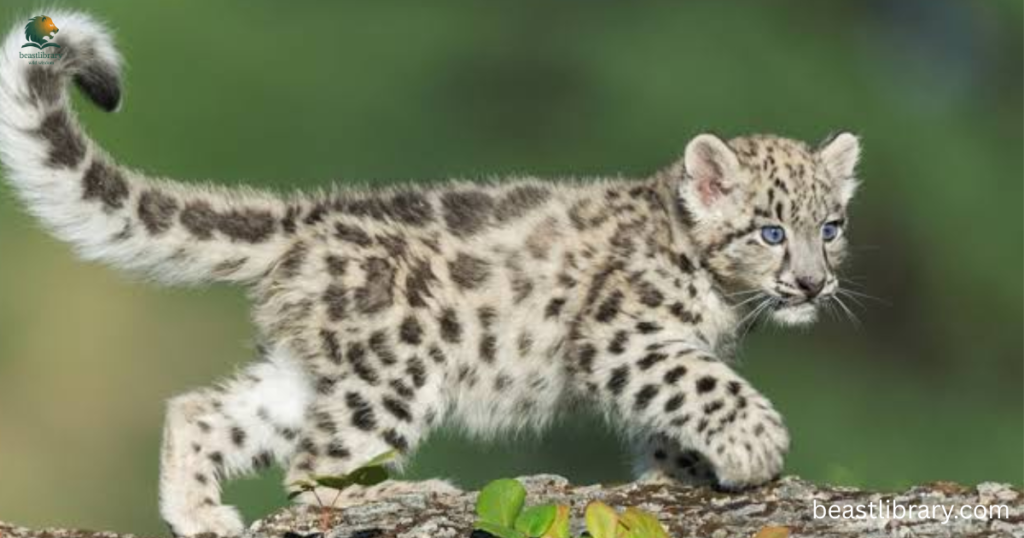
The snow leopard is spotted animal with sharp teeth. Found primarily in the rugged terrains of Central Asia, these majestic big cats are masters of stealth. With their thick, smoky-gray fur camouflaging them against rocky landscapes,
They seem to glide silently through the snow, revealing little of their presence to the outside world. Adapted to high altitudes, snow leopards have keen eyesight and exceptional hunting skills, which they deploy with discretion.
They prefer silence, waiting patiently for the perfect moment to strike. Their elusive nature is reflective of their environment, where survival hinges on remaining undetected amidst the unforgiving elements.
16-Cougar
Scientific Name: Puma concolor
Class: Mammalia
Diet: Carnivore
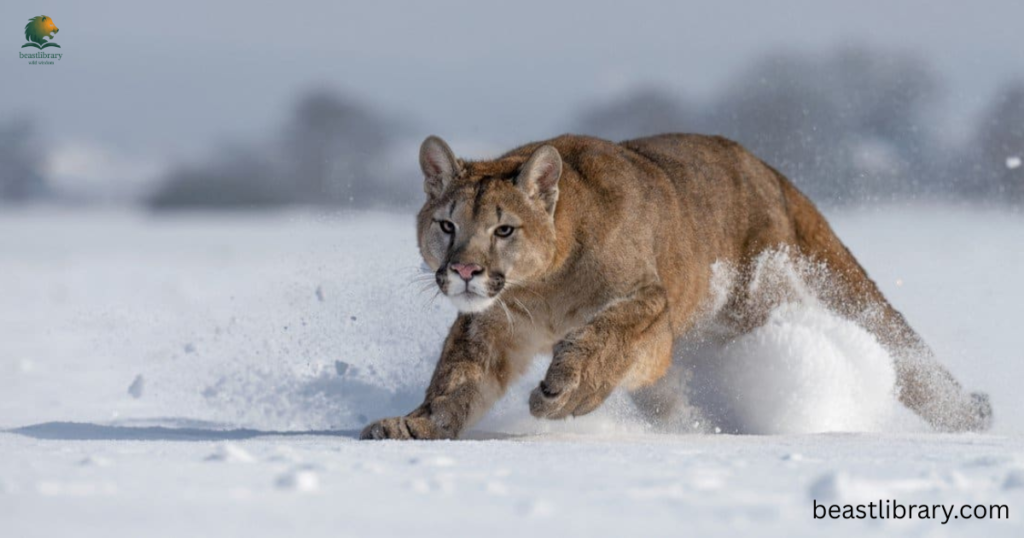
The cougar, epitomizes solitude in the wild. Unlike many other large predators that hunt in packs, often dubbed the mountain lion or puma, epitomizes solitude in the wild. Unlike many other large predators that hunt in packs, relying on their solitary instincts and remarkable adaptability, cougars are fiercely independent.
Their ability to thrive in diverse habitats from dense forests to arid deserts speaks volumes about their resilience. These creatures are masters of stealth, a practice that highlights their individual hunting prowess, often employing a combination of patience and precision to stalk their prey.
They play a key role as apex predators, controlling deer populations and ensuring healthier herbivore dynamics. This independence extends beyond hunting; often spanning hundreds of miles, cougars are also skilled at navigating their expansive territories, which reduces competition and allows them to flourish in relative solitude.
17-Sea Turtles
Scientific Name: Chelonia mydas
Class: Reptilia
Diet: Herbivore/Omnivore
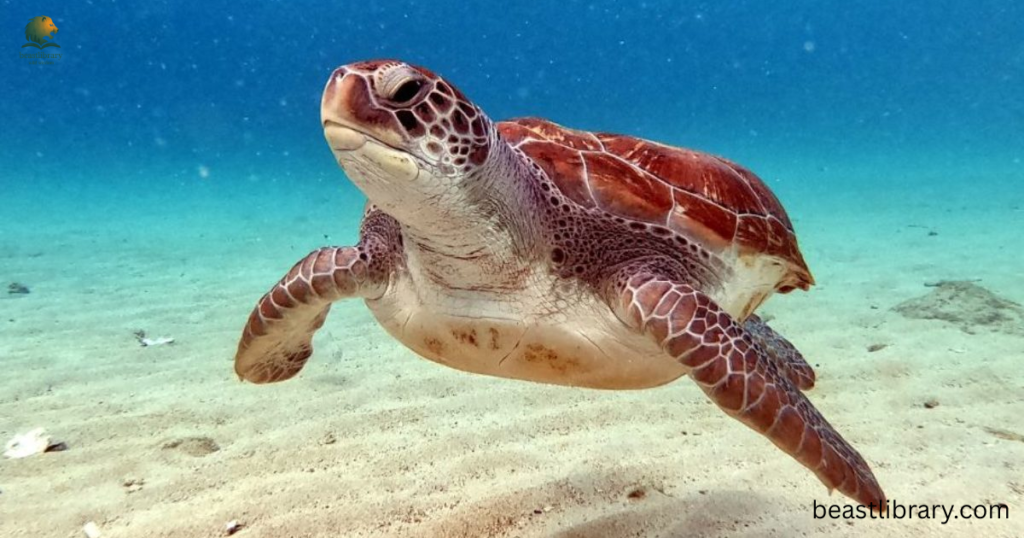
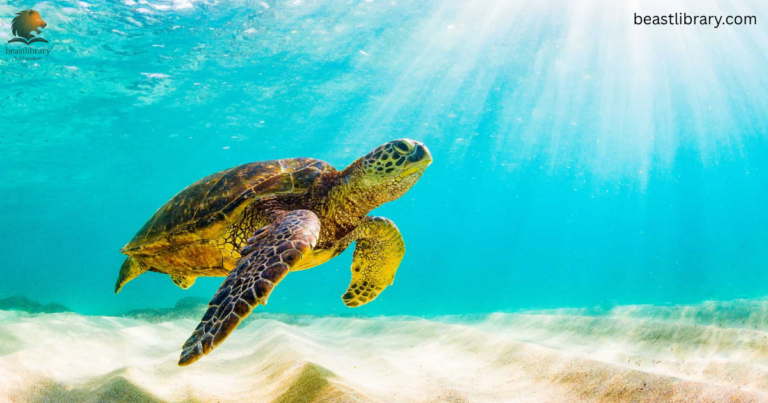
The sea turtle, a marvel of evolution, demonstrates the perfect harmony between agility and grace in the ocean. With its flipper-like limbs, this gentle leviathan glides effortlessly through the water, reaching speeds of up to 35 miles per hour when threatened.
Unlike many creatures of the sea, the flippers of the sea turtle are not just tools for propulsion; they also embody a unique blend of strength and dexterity, allowing these turtles to navigate complex marine environments with ease. These are Animals with Flippers.
18-Moles
Scientific Name: Talpidae
Class: Mammalia
Diet: Insectivore
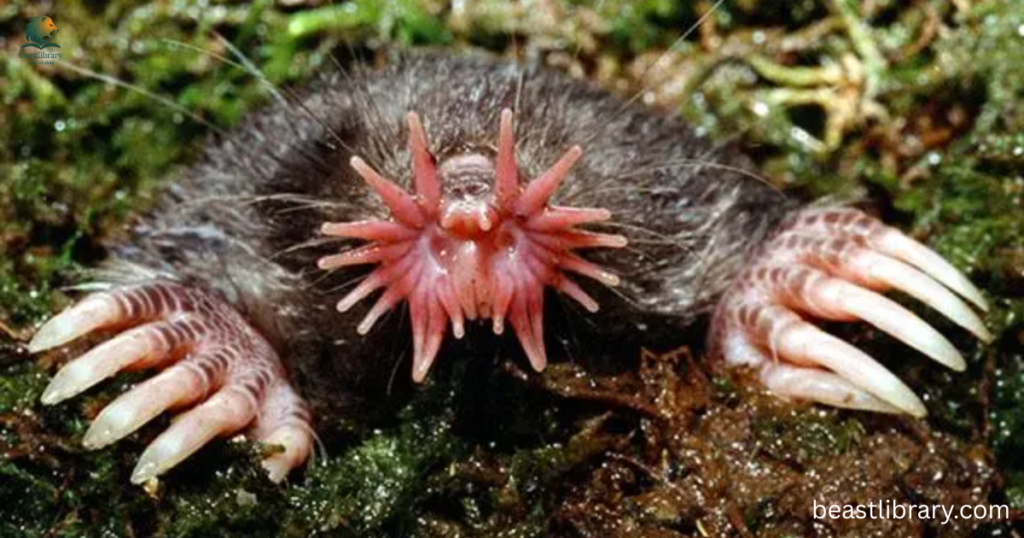
The star-nosed mole, an extraordinary denizen of North America’s wetlands, is not just notable for its unique snout adorned with 22 pink, fleshy appendages, but also for its voracious appetite. These mammals, often considered one of nature’s best-kept secrets, consume more than their own weight in food each day.
This insatiable hunger stems from their high metabolic rate and relentless pursuit of prey, including earthworms, Animals That Eat a Lot, insects, and even small crustaceans. They are exceptional foragers, employing their sensitive star-shaped nose to detect prey in total darkness as they navigate through the mud and underwater.
Final Thoughts
The most independent animals in the world showcase the incredible strength and adaptability present in nature. These creatures often take the lead in their own survival, demonstrating how self-reliance helps them flourish despite environment challenges.
Recognizing the importance of these independent beings inspires us to advocate for their protection and preservation. participating in local wildlife protection efforts helps guarantee that these amazing creatures can keep roaming free in the wild
FAQs:
What is the most independent animal in the world?
The sea turtle is arguably the most independent animal, hatching
completely alone on a beach without parental care and navigating thousands of miles of ocean solo from its very first breath.
What animal is fiercely independent?
The wolverine is fiercely independent, roaming hundreds of miles alone and aggressively defending its territory against predators many times its size.
What pets are independent?
Cats, leopard geckos, and betta fish are among the most independent pets due to their low-maintenance, solitary nature.